
Planning a hike in Patagonia? You probably want to know the best time to go.
Choosing the right season can make all the difference between an amazing adventure and a tough, uncomfortable experience. You want clear trails, good weather, and stunning views without the crowds or extreme cold. You’ll discover exactly when to pack your bags for Patagonia to get the most out of your hike.
Keep reading to find the perfect time that fits your plans and ensures your trip is unforgettable.
Credit: www.patagoniahero.com
Patagonia’s Climate Overview
Patagonia is a land of strong winds and sudden weather changes. The climate can shift quickly from sunny to rainy or cold. This makes it important to understand the general weather before hiking. Knowing the climate helps plan better and stay safe.
The region covers a large area in southern South America. It has varied weather depending on the season and location. This variety creates unique experiences for hikers throughout the year.
Seasonal Weather Patterns
Summer runs from December to February. It is the warmest and most popular time for hiking. Day temperatures range from 50°F to 70°F (10°C to 21°C). Nights can still be chilly. Rain is less frequent but can appear suddenly.
Winter lasts from June to August. It is cold with snow in many areas. Hiking trails may close due to heavy snow. Few visitors come during this time. Spring and autumn bring mixed weather. Temperatures change daily. Winds can be very strong in these seasons.
Regional Climate Differences
Western Patagonia is wetter. Mountains catch moisture from the Pacific Ocean. This side sees heavy rain and dense forests. The weather is cooler and more humid here. Eastern Patagonia is drier and windier. It has open plains and fewer trees. Temperatures can be warmer in summer but drop fast at night.
Southern Patagonia is colder and more rugged. Glaciers and ice fields shape the land. Weather here can be harsh any time of year. Northern Patagonia offers milder weather and more sunshine. It is easier for less experienced hikers.
Summer Hiking In Patagonia
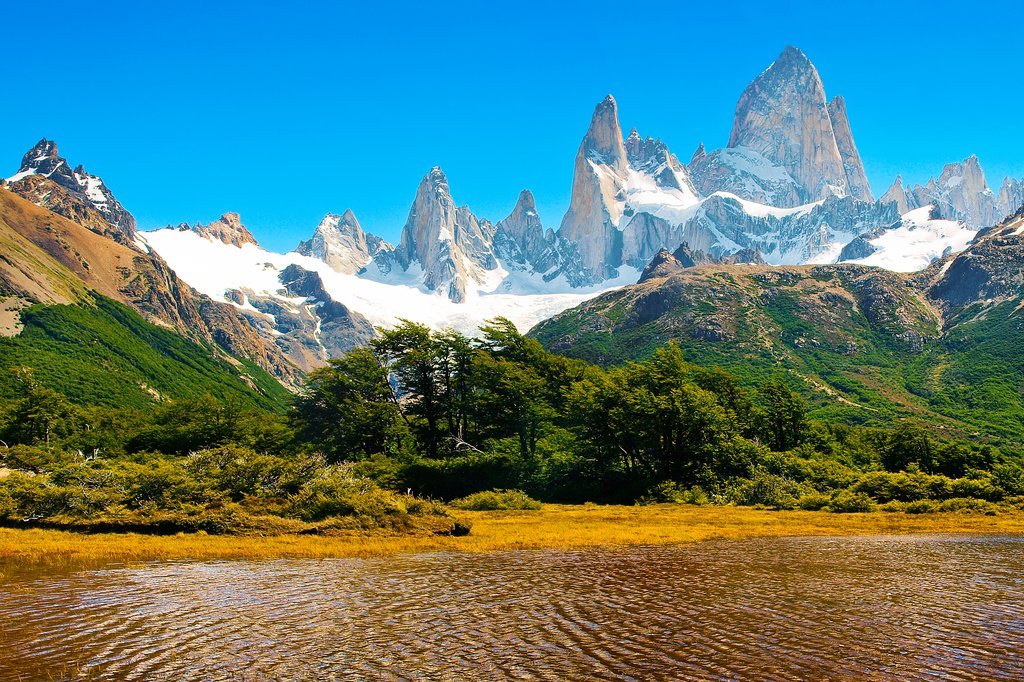
Summer hiking in Patagonia offers a chance to explore its stunning landscapes under longer daylight. The season runs from December to February, with mild weather and mostly clear skies. Trails become accessible, and the region bursts with life. Hiking during summer means experiencing Patagonia at its liveliest and most colorful.
Advantages Of Summer Trails
Summer trails in Patagonia are easier to navigate. Snow melts, opening paths that stay closed in winter. Days are longer, giving hikers more daylight to explore. Warm temperatures reduce the need for heavy gear. The weather is more stable, making hikes safer. Summer offers the best chance to see clear mountain views.
Popular Routes And Crowds
Popular routes like the W Trek and Torres del Paine fill with hikers. Trails can get crowded, especially near campsites and viewpoints. Booking accommodations early is important. Despite crowds, the experience remains rewarding. The busy trails mean more safety and chances to meet other hikers. Less popular routes offer quieter alternatives for solitude.
Wildlife And Flora
Summer brings vibrant flowers and active wildlife to Patagonia. Bright blooms color the meadows and valleys. Birds sing and animals like guanacos and foxes roam freely. Insects are more common, adding life to the environment. This season provides excellent opportunities for nature photography. Observing wildlife is easier during the warm months.
Winter Hiking Challenges
Winter hiking in Patagonia offers a unique adventure. The landscape looks stunning under snow and ice. Yet, winter brings many challenges. Hikers must be ready for tough conditions and risks. Planning well can keep the journey safe and enjoyable.
Weather Conditions And Risks
Winter in Patagonia is cold and often windy. Snow and ice cover the trails. Temperatures can drop below freezing. Storms come quickly and without warning. This weather makes hiking harder and more dangerous. Frostbite and hypothermia are real risks. Always check the weather forecast before starting.
Accessibility And Trail Closures
Many trails close in winter. Snow blocks paths and mountain passes. Some roads may also be closed. Rescue services might take longer to arrive. Not all refuges or campsites stay open. It is important to confirm which trails are accessible. Planning routes carefully saves time and trouble.
Gear And Preparation
Winter hiking needs special gear. Warm, waterproof clothes protect from cold and wet. Hiking boots should have good traction for ice. Carry crampons and trekking poles for balance. Bring extra food and water for longer trips. Always pack a first aid kit and emergency supplies. Preparation is key for a safe hike.
Spring Adventures
Spring is a wonderful time to explore Patagonia’s wild beauty. The season brings fresh energy to the landscape. Days grow longer, and the weather starts to warm up. Nature wakes up after the cold winter months. Hiking trails begin to open, inviting adventurers to explore. This is the perfect moment to enjoy Patagonia’s unique charm without heavy crowds.
Melting Snow And Trail Access
Snow begins to melt in early spring. This melting helps clear many hiking paths. Some high mountain trails may still have patches of snow. Lower elevation routes become easier and safer to walk. Trail conditions improve quickly as temperatures rise. Spring offers a chance to hike with fewer obstacles.
Flora Blooming Season
Spring in Patagonia means colorful flowers everywhere. Wildflowers bloom in valleys and meadows. Bright reds, yellows, and blues paint the landscape. Trees and shrubs start to grow new leaves. Birds return and fill the air with song. The blooming season adds beauty to every hike.
Ideal Routes For Spring
Some trails are best for spring hikes. Torres del Paine’s lower circuits open well in spring. The W Trek starts to become accessible. Valleys and forest routes offer gentle climbs. These paths show off blooming plants and wildlife. Spring hikes give a quiet, peaceful experience away from summer crowds.
Autumn Experiences
Autumn in Patagonia offers a unique hiking experience. The season brings crisp air and beautiful landscapes. Trails show a mix of vibrant colors and peaceful quiet. Many hikers enjoy the calm and clear views this time of year provides.
Fall Colors And Scenery
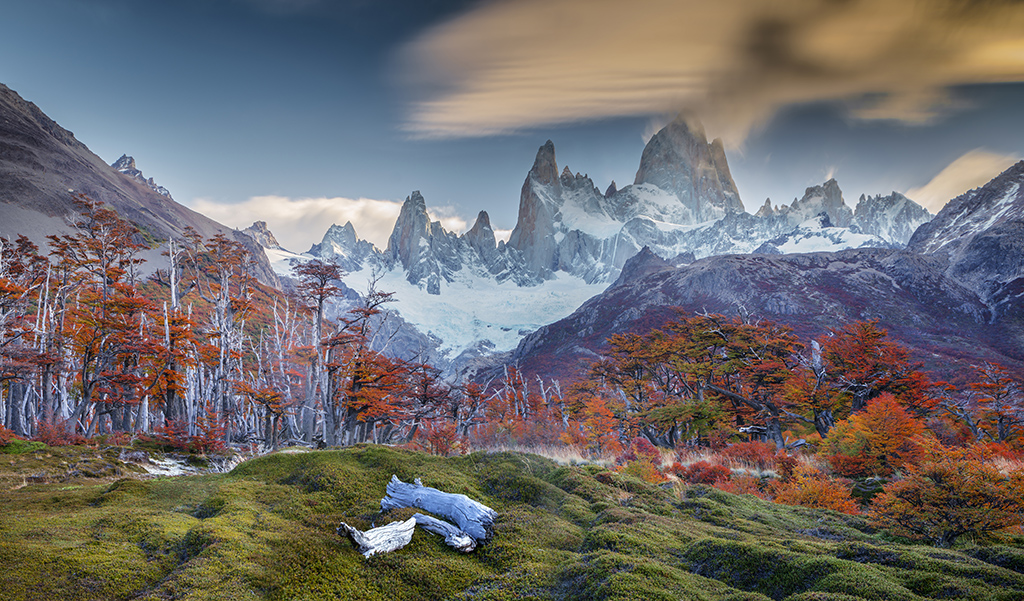
Leaves change to red, orange, and yellow hues. These colors light up the forests and mountainsides. The scenery looks like a painting come to life. Photographers and nature lovers find autumn perfect for capturing stunning shots. Every step reveals new shades and textures.
Weather Stability
Autumn weather is often calm and steady. Rainfall decreases compared to spring and summer. Days are cool but not too cold for hiking. Winds tend to be lighter, making outdoor activities easier. Clear skies help hikers enjoy panoramic mountain views. Weather changes still happen but less frequently.
Less Crowded Trails
Fewer tourists visit Patagonia in autumn. Trails feel more private and peaceful. Hikers can enjoy solitude and quiet nature sounds. Campsites are less busy, offering a relaxed atmosphere. This allows for a more personal connection with the environment. Autumn is ideal for those who prefer calm hiking experiences.
Credit: www.kimkim.com
Choosing The Best Time Based On Activities
Choosing the best time to hike Patagonia depends on the activities you want to enjoy. Different seasons offer unique experiences. Plan your trip based on what excites you most. This way, you make the most of your adventure in this stunning region.
Photography Opportunities
Spring and autumn bring soft light and colorful landscapes. The skies are often clear, perfect for capturing mountains and lakes. Summer offers long daylight hours but can be crowded. Winter shows dramatic snowy scenes, ideal for unique shots. Early mornings and late afternoons provide the best light all year.
Wildlife Watching
Spring is the best time to see newborn animals and birds. Many species are active and easier to spot. Summer offers a chance to see guanacos and condors near trails. Autumn brings migratory birds passing through the area. Winter is quiet but can reveal tracks in the snow.
Adventure Sports
Summer provides the best weather for trekking, kayaking, and climbing. Trails are clear, and rivers are safer for water sports. Spring offers moderate weather but can be rainy. Autumn has fewer tourists and stable conditions for outdoor sports. Winter suits skiing and snowboarding in some areas.
Tips For Planning Your Patagonia Hike
Planning a hike in Patagonia requires careful thought and preparation. The weather changes fast, and the terrain can be tough. Proper planning helps make your trip safe and fun. Here are some key tips to consider before you start your adventure.
Packing Essentials
Bring layers of clothing to stay warm and dry. A waterproof jacket and sturdy hiking boots are must-haves. Carry a hat and gloves for cold winds. Pack enough water and high-energy snacks for the trail. Don’t forget a map, compass, and a first aid kit. A flashlight or headlamp is useful for early mornings or late evenings.
Booking Accommodations
Reserve your lodges or campsites early. Popular spots fill quickly, especially in peak season. Choose places near your hiking routes to save travel time. Check if the accommodation offers meals or cooking facilities. Confirm their cancellation policy in case plans change. This helps avoid last-minute stress on the trail.
Safety Precautions
Tell someone your hiking plan and expected return. Stay on marked trails to avoid getting lost. Watch the weather reports daily; storms can come suddenly. Carry a whistle and a mobile phone with extra battery. Know the local wildlife and how to react to animals. Keep your group together and move at a steady pace.
Credit: www.cascada.travel
Frequently Asked Questions
When Is The Best Month To Hike Patagonia?
The best months to hike Patagonia are from October to April. This period offers milder weather, longer daylight, and less rain, ideal for trekking.
What Weather Conditions To Expect In Patagonia Hikes?
Expect variable weather with strong winds, rain, and sudden temperature changes. Summer months are warmer but still unpredictable, so pack layers.
How Crowded Is Patagonia During Peak Hiking Season?
Patagonia sees more hikers from December to February. Trails and campsites can be crowded, so book in advance to secure spots.
Can You Hike Patagonia In Winter Months?
Winter hiking is possible but challenging due to snow, cold, and limited daylight. It’s suited for experienced hikers with proper gear.
Conclusion
The best time to hike Patagonia depends on your goals. Summer offers warmer weather and longer days. Spring and fall bring fewer crowds and colorful landscapes. Winter is cold but peaceful and quiet. Choose the season that fits your comfort and adventure style.
Prepare well and respect nature’s rules. Patagonia’s beauty shines year-round, ready for your discovery. Plan carefully and enjoy every moment on the trail.
