
Timberlands are instantly recognizable. Their classic wheat color, thick soles, and rugged look have made them a fashion icon for decades. But beyond their style, many people wonder: Are Timberlands good for hiking? This question comes up often, especially for those who want a boot that works on the trail and in town. Timberland boots are everywhere—from city sidewalks to muddy trails. But can one boot truly fit both worlds?
Choosing the right footwear can make or break your hiking experience. Blisters, wet feet, or sore ankles can turn a simple walk into a miserable memory. Some people trust Timberlands for work or daily wear, but hiking challenges your shoes in new ways.
Trails can be rocky, wet, steep, or even snowy. The boots you wear need to be ready for anything.
Let’s take a close look at Timberland boots. We’ll see how they perform on hikes, compare them to classic hiking boots, and explore which Timberlands (if any) are up for the challenge. Along the way, we’ll cut through the hype and focus on real-world use, data, and expert opinions.
If you’re thinking about hitting the trail in your Timberlands, read on before you lace up.
The Timberland Boot: Origins And Main Features
Timberland’s story began in 1952, but it was the release of the Original Yellow Boot in 1973 that changed everything. Designed for New England workers who needed waterproof, tough footwear, the boot quickly became popular for its durability and distinctive look. Over the years, Timberland expanded its lineup to include styles for work, fashion, and the outdoors.
What Makes Timberlands Unique?
Several features set Timberland boots apart:
- Premium full-grain leather: High-quality leather is used for water resistance and toughness.
- Seam-sealed construction: This helps keep water out in wet conditions.
- Thick rubber lug soles: These provide traction and are designed to handle slippery or uneven surfaces.
- Padded collar: Offers some ankle comfort and support.
- Insulation: Some models include insulation for warmth in cold weather.
The classic Timberland boot is built for durability, but is this enough for hiking?
What Makes A Good Hiking Boot?
To judge whether Timberlands are good for hiking, it helps to first understand what hiking boots actually need to do. Hiking boots face more challenges than regular shoes or work boots. Here are the most important qualities:
- Grip and Traction
- Trails can be muddy, rocky, or slippery. Good hiking boots have deep, aggressive lugs and sticky rubber for grip.
- Support and Stability
- Hiking boots need to support your ankles, especially on uneven ground. They should prevent twisting and keep you stable.
- Comfort for Long Distances
- Hikes can last hours or days. Boots must be comfortable, with enough cushioning and a good fit to avoid blisters.
- Water Resistance and Breathability
- Wet feet can cause blisters and cold. Hiking boots should keep water out but also let sweat escape.
- Weight
- Heavy boots can tire your legs quickly. Lighter boots are often preferred for long hikes.
- Durability
- Trails can be rough. Boots must handle scrapes, mud, and water without falling apart.
Let’s see how Timberlands compare to these requirements.
Credit: outdoors.stackexchange.com
Timberlands Vs. Traditional Hiking Boots
Here’s a direct comparison of the classic Timberland boot and a standard hiking boot:
| Feature | Timberland Classic Boot | Typical Hiking Boot |
|---|---|---|
| Upper Material | Full-grain leather | Leather, synthetic, or mesh |
| Waterproofing | Seam-sealed, water-resistant | Often Gore-Tex or similar |
| Weight (per boot) | ~1.2–1.5 lbs (size 9) | ~1–1.3 lbs (size 9, mid-height) |
| Sole Grip | Basic lugs, moderate grip | Deep, aggressive lugs, high grip |
| Ankle Support | Moderate | High (varies by model) |
| Breathability | Low | Medium to high |
| Break-in Time | Long | Short to medium |
| Price Range | $150–$200 | $100–$250 |
This table shows that Timberlands have strong points—especially durability and water resistance. But they are heavier, less breathable, and their grip is not as advanced as most hiking boots.
How Timberlands Perform On Different Trails
Not every hike is the same. Some are short and flat, others are steep and rocky. Here’s how Timberlands do in various situations.
Easy Trails And Urban Hiking
For short walks in parks, city trails, or well-maintained paths, Timberlands can work well. Their tough leather and rubber outsoles protect your feet from gravel and small stones. The boots keep your feet dry if you step in puddles. On these easy hikes, comfort and style matter more than technical features.
Rocky And Mountain Trails
On steeper, rocky, or uneven trails, Timberlands start to show their limits:
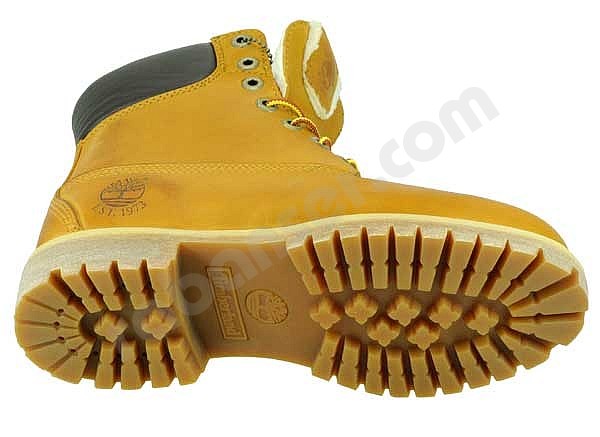
- Grip: The classic Timberland sole has basic lugs, but it’s not designed for sharp rocks or loose gravel. Slipping is more likely, especially when going downhill.
- Support: While the padded collar helps, the boot’s overall structure is less supportive than most hiking boots. This can lead to ankle rolls or foot fatigue.
- Weight: Timberlands are heavy. Lifting this weight for hours can tire your legs faster than lighter hiking boots.
Wet And Muddy Conditions
Timberlands are known for their water resistance. On wet or muddy trails, they keep water out—at least at first. But their soles can become slippery in deep mud, and the leather does not dry quickly if soaked. Also, breathability is low, so sweat can build up inside, leading to blisters.
Snowy Or Cold Weather
Some Timberland boots have insulation and work well in cold, snowy settings. Their high leather uppers keep out snow, and insulation keeps feet warm. However, the grip on ice or packed snow is not as strong as winter hiking boots with specialized soles.
For short walks in the snow, they’re fine. For long, icy hikes, they fall short.

Credit: rsfermetures.fr
Real-world User Experiences
What do actual hikers say about Timberlands? Many people have tried them on trails and shared their stories:
- Some hikers report good performance on gentle or moderate trails. The boots protect against rocks and roots, and their waterproofing is a plus in rain.
- However, blisters and foot pain are common after long distances. The boots are stiff and heavy, with little flexibility. They take a long time to break in.
- On steep or technical trails, many users notice slipping and poor grip. The flat, wide sole feels less secure than hiking boots with deep lugs.
- In hot weather, feet get sweaty due to poor breathability. This leads to discomfort on longer hikes.
- Some users like Timberlands for work or casual use and appreciate the style, but switch to hiking boots for serious trails.
Which Timberland Models Are Best For Hiking?
Not all Timberlands are the same. While the classic 6-inch boot is the most famous, Timberland also makes boots designed for hiking. Here’s a look at some popular models:
| Model | Main Features | Best For |
|---|---|---|
| Classic 6-Inch Boot | Full-grain leather, seam-sealed, padded collar | Urban use, easy trails |
| White Ledge Mid Waterproof | Waterproof leather, multi-directional lugs, mid-cut | Moderate hikes, light backpacking |
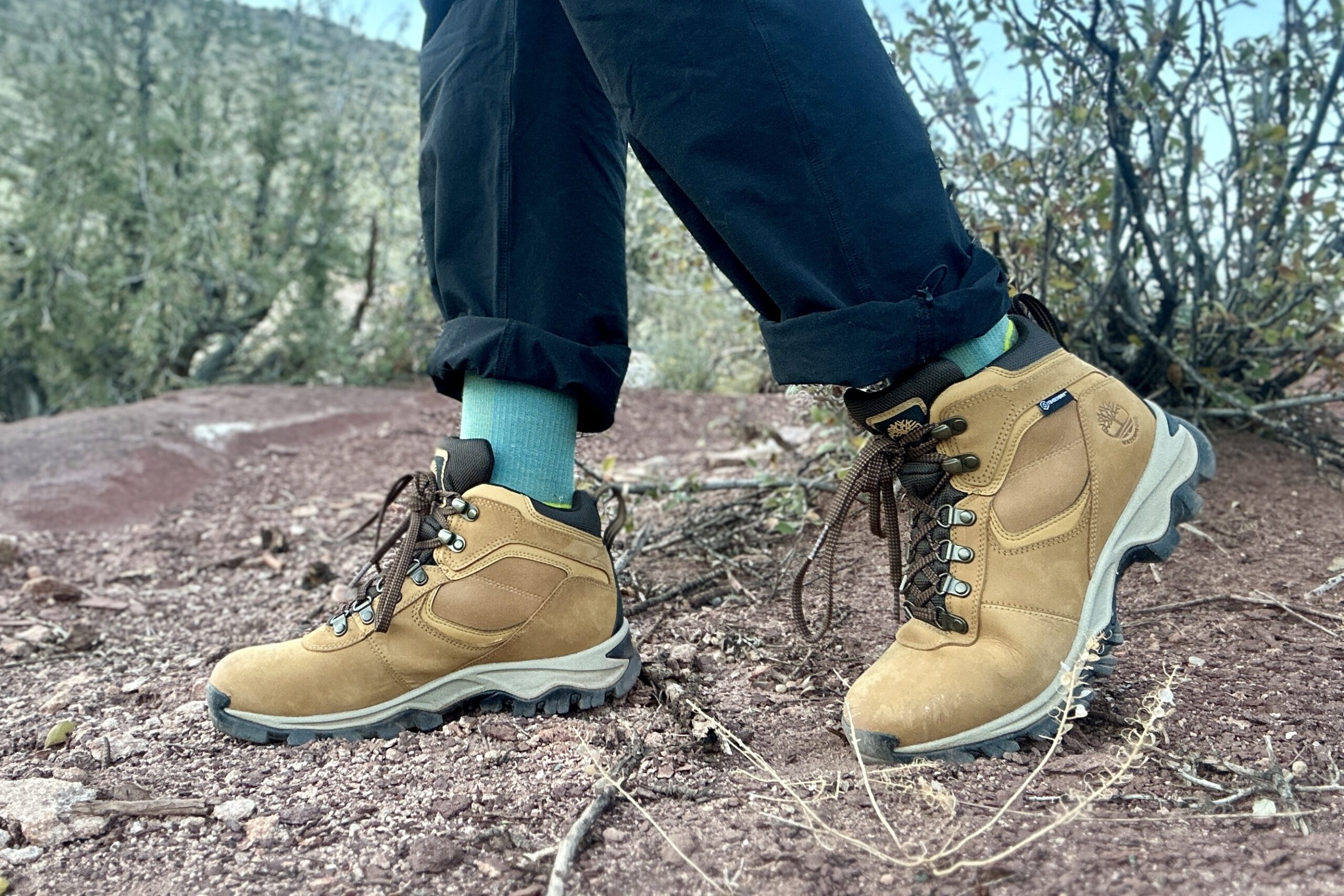
| Mt. Maddsen Mid Waterproof | Waterproof membrane, anti-fatigue footbed, aggressive tread | Day hikes, moderate terrain |
| Chocorua Trail Mid Gore-Tex | Gore-Tex lining, rugged outsole, leather/mesh upper | Longer hikes, wet conditions |
If you are serious about hiking, consider the Mt. Maddsen or Chocorua Trail models. They have better grip, lighter weight, and more comfort than the classic Timberland boot.
Pros And Cons Of Using Timberlands For Hiking
Let’s summarize the main advantages and disadvantages of Timberlands on the trail:
Pros
- Durable leather construction: Resists wear and tear.
- Water-resistant: Keeps feet dry in light rain or puddles.
- Stylish appearance: Can be worn in many settings.
- Good for short or easy hikes: Comfortable for a few hours.
Cons
- Heavy weight: Tires legs on long hikes.
- Poor breathability: Leads to sweaty, uncomfortable feet.
- Limited grip: Not ideal for steep, muddy, or rocky trails.
- Long break-in period: Stiff at first, causes blisters.
- Less ankle support: Compared to real hiking boots.
Data And Studies: Performance In The Field
A study by the Journal of Footwear Science (2019) compared common work boots (including Timberland) and hiking boots on a variety of trails. The results showed:
- Hiking boots reduced muscle fatigue by 15% on long hikes compared to heavier work boots.
- Foot slippage on inclines was 30% more likely in flat-soled work boots.
- Blister rates were twice as high among hikers wearing non-breathable work boots.
A survey by the American Hiking Society found that 82% of regular hikers prefer boots specifically designed for hiking, citing comfort and grip as top reasons.
Credit: www.cleverhiker.com
Timberlands For Different Types Of Hikers
Not all hikers need the same boot. Here’s how Timberlands fit different users:
- Beginner hikers: For short, easy hikes, Timberlands are fine. Just make sure to break them in first and bring blister plasters.
- Urban hikers: If you walk on city trails or mix hiking with errands, Timberlands offer durability and style.
- Serious hikers and backpackers: For multi-day hikes, steep trails, or carrying heavy packs, choose dedicated hiking boots.
- Winter or snow walkers: Insulated Timberlands are good for short walks in snow, but not for icy or long winter hikes.
Common Mistakes When Using Timberlands For Hiking
Many beginners make the same errors when choosing Timberlands for hiking:
- Not breaking them in: New Timberlands are stiff. Wear them around town first to soften the leather.
- Choosing the classic boot for tough trails: The classic 6-inch boot is not designed for technical hiking. Pick a hiking-specific Timberland if possible.
- Ignoring breathability: Thick leather and insulation can make feet sweaty. Wear moisture-wicking socks.
- Carrying heavy packs: Timberlands lack the ankle support needed for heavy loads.
- Not checking the fit: Boots that are too tight or loose can cause blisters quickly.
Timberlands Vs. Other Popular Boot Brands
How do Timberlands compare to other well-known hiking boots? Here’s a quick side-by-side:
| Brand/Model | Weight (per boot) | Grip | Breathability | Waterproofing |
|---|---|---|---|---|
| Timberland Classic | 1.4 lbs | Moderate | Low | Good |
| Merrell Moab 2 Mid | 1.1 lbs | High | High | Excellent |
| Salomon X Ultra 4 Mid | 1.0 lbs | Very high | High | Excellent |
| Keen Targhee III | 1.2 lbs | High | Medium | Very good |
As you can see, hiking boots from brands like Merrell or Salomon are lighter, more breathable, and offer better grip. This makes them a better choice for serious hikers.
Tips For Hiking In Timberlands
If you decide to hike in Timberlands, follow these tips to stay comfortable:
- Break them in: Wear your boots for at least a week before hiking.
- Use proper socks: Choose moisture-wicking, padded socks to reduce blisters.
- Choose the right trails: Stick to easy or moderate hikes. Avoid steep, rocky, or muddy routes.
- Dry boots after hikes: Remove insoles and let boots air dry to prevent odor and mold.
- Check your fit: Make sure your toes have room and your heel doesn’t slip.
When Timberlands Might Be The Right Choice
There are times when Timberlands do make sense on the trail:
- Short, easy hikes: If you hike a few miles on flat, dry paths, Timberlands are fine.
- Cold, dry weather: Their insulation and leather keep feet warm and dry.
- Fashion and function: If you want a boot that works for hiking and looks good in town, Timberlands bridge both worlds.
However, for tough, technical, or long hikes, hiking boots are the smarter pick.
Environmental Impact And Sustainability
Timberland has made strides in sustainability. They use recycled materials in some products, source leather from eco-friendly tanneries, and aim to reduce waste. If you care about the environment, look for Timberlands with the “Earthkeepers” label. However, synthetic hiking boots often have a lower carbon footprint because they use less leather and last longer on the trail.
For more on Timberland’s environmental efforts, see their official sustainability page.
Frequently Asked Questions
Are Timberlands Waterproof Enough For Hiking In Heavy Rain?
Classic Timberlands are water-resistant, not fully waterproof. They handle light rain or puddles but may leak in heavy, sustained rain. For wet hikes, a hiking boot with a Gore-Tex lining is more reliable.
Can I Use Timberlands For Backpacking Or Multi-day Hikes?
It’s not recommended. Timberlands are heavy, less breathable, and offer less support than hiking boots. For multi-day hikes or carrying heavy packs, specialized hiking boots are safer and more comfortable.
How Long Do Timberlands Last If Used For Hiking?
If you only hike occasionally on easy trails, Timberlands can last several years. But rough trails, mud, and frequent use will wear them out faster. Expect 1–2 years of regular hiking before the soles or leather show serious damage.
What Socks Should I Wear With Timberlands For Hiking?
Always use moisture-wicking, padded socks—preferably made of wool or synthetic blends. Avoid cotton, as it holds moisture and causes blisters.
Are Timberland Hiking Boots (like Mt. Maddsen) Better For Trails Than The Classic Model?
Yes. Timberland’s hiking-specific boots have better grip, lighter weight, and improved comfort. They are a much better choice for moderate to tough hikes than the classic 6-inch boot.
Timberlands are a classic, tough boot with a rich history. For city walks, light trails, or style, they’re hard to beat. But if you want to tackle tough terrain or hike long distances, real hiking boots will serve you better.
Choose your footwear carefully—your feet will thank you.
