
Spending time outdoors has always felt special, but in recent years, many people have wondered if activities like camping can really help our mental health. With busy lives, endless screens, and constant noise, more people are searching for simple ways to feel calmer and happier. If you’re curious whether camping can actually improve your mental health, you’re in the right place. Let’s look at the science, real-life stories, and practical tips to see if pitching a tent could help your mind.
Why Nature Matters For The Mind
Most people know that being in nature feels good, but not everyone understands why. Scientists have found that even short periods outside can change how we think and feel. In one study, people who walked in a forest for 90 minutes had lower activity in brain areas linked to depression compared to those who walked in a city. Nature helps us relax, focus, and even sleep better. This is partly because natural spaces lower stress hormones, such as cortisol, and give our brains a break from busy thoughts.
Camping is a unique way to connect with nature. Unlike a short walk, camping lets you live outside for hours or days. You hear birds, feel fresh air, and see stars—all things that can make life feel slower and more peaceful.
Camping’s Effects On Stress And Anxiety
One of the biggest mental health challenges today is chronic stress. Stress builds up from work, family, and social demands. Many people use their phones or TV to relax, but these don’t always help us truly recover.
Camping takes you away from daily stressors. When you camp, you often leave behind emails, social media, and noisy city life. This “unplugging” gives your mind a break. Research shows that being in natural settings can lower blood pressure, slow your heart rate, and reduce feelings of anxiety.
A 2020 survey by the Kampgrounds of America found that 46% of campers reported feeling less stressed during and after camping trips. Even people who camp only a few times a year say the effects last for weeks. Beginners are often surprised by how quickly the calm feeling sets in—sometimes after just one night outdoors.
How Camping Improves Mood And Happiness
Spending time outdoors doesn’t just remove stress; it can boost positive emotions, too. Camping offers many small pleasures that add up:
- Waking up to sunlight instead of an alarm
- Cooking and eating outside
- Sharing stories around a campfire
- Watching sunsets and wildlife
Each of these moments helps release dopamine and serotonin, brain chemicals linked to happiness. People who camp regularly often say they feel lighter, more energized, and in a better mood for days after their trips.
A study published in the journal *Frontiers in Psychology* found that people who spent two nights camping reported a 35% increase in overall well-being compared to those who stayed at home. The effect was even stronger for those who camped with friends or family.
Camping And Social Connections
Humans are social creatures, but modern life can make us feel isolated. Camping gives a natural way to reconnect with others. Whether you camp with family, friends, or a group of strangers, the experience often brings people closer.
When camping, people tend to talk more, share tasks like cooking or setting up tents, and laugh together. These shared experiences build trust and positive memories. For people feeling lonely or disconnected, a camping trip can give a real boost.
Not every camping trip needs a group, though. Solo camping can also improve self-esteem and confidence. Overcoming small challenges—like starting a fire or cooking a meal—reminds us we can handle new situations.

Sleep Benefits From Camping
Good sleep is vital for mental health, but many people struggle to rest well. Camping can reset your body’s circadian rhythm, or sleep clock. Without artificial light, your body gets tired when the sun sets and wakes naturally with daylight. Studies from the University of Colorado found that campers’ sleep patterns shift after just a couple of nights outdoors, leading to deeper, longer sleep.
Camping also removes many distractions that hurt sleep, like screens, traffic noise, and streetlights. People often report better dreams and more energy after even a short trip.
Mindfulness And Presence In Nature
One reason camping feels so good is that it brings you into the present moment. Without the usual rush, your mind has space to notice small things: the smell of pine needles, the sound of a stream, or the warmth of sunlight on your face. This awareness is sometimes called mindfulness, and it’s been shown to reduce anxiety and depression.
Camping encourages natural mindfulness. You focus on simple tasks like building a fire, hiking, or watching the stars. These activities make it easier to let go of worries about the past or future.
Comparing Camping To Other Outdoor Activities
Not all time outside gives the same mental health benefits. Here’s a comparison of camping with other popular outdoor activities:
| Activity | Time in Nature | Unplugging Level | Social Connection | Sleep Reset |
|---|---|---|---|---|
| Camping | 12-72 hrs | High | High/Medium | Strong |
| Day Hiking | 2-6 hrs | Medium | Medium | Low |
| Picnicking | 1-4 hrs | Low | High | None |
| Jogging | 0.5-1 hr | Low | Low | None |
Camping stands out for its longer time in nature, deeper unplugging, and strong effects on sleep and relationships.
Challenges And Risks Of Camping For Mental Health
Camping isn’t perfect for everyone. Some people feel anxious being away from home or don’t like bugs, cold, or being outside at night. It’s normal to feel nervous the first time you try camping, especially if you’re used to city life.
A common mistake is expecting camping to fix all mental health problems overnight. For some, new experiences can even feel stressful at first. If you have severe anxiety, depression, or PTSD, talk to a health professional before trying overnight trips.
Here’s a look at potential challenges and ways to handle them:
| Challenge | Possible Effect | What Helps |
|---|---|---|
| Fear of the dark | Anxiety, poor sleep | Bring a lantern, camp with friends |
| Bad weather | Discomfort, frustration | Check forecast, pack rain gear |
| Missing home comforts | Homesickness | Bring familiar items, start with short trips |
| Lack of experience | Stress, feeling lost | Go with experienced campers, take a class |
With a little planning, most people find camping challenges easier after a few tries.
Tips For Getting The Most Mental Health Benefits From Camping
You don’t need a fancy tent or expensive gear to enjoy camping’s mental health boost. Here are some proven ways to make your trip more relaxing and positive:
- Start small. Try a single night in a safe place, like a backyard or local park.
- Unplug completely. Turn off your phone and avoid screens. Let your mind rest.
- Plan simple meals. Cooking over a fire or small stove can be fun and stress-free.
- Choose a peaceful location. Look for places with water, trees, or open skies.
- Invite people you trust. Sharing the experience can make it feel safer and more enjoyable.
- Bring comfort items. A favorite blanket or pillow can make sleeping outside easier.
- Stay present. Notice sounds, smells, and sights. Try gentle activities like drawing or journaling.
- Respect your limits. If you feel anxious, it’s okay to leave early or change your plans.
Two Insights Beginners Often Miss
- The first night may feel strange—and that’s normal. Many new campers feel restless or uncomfortable the first night. This doesn’t mean camping isn’t for you. Our brains need time to adjust to new environments. By the second night, most people sleep much better and feel more relaxed.
- You don’t need to “do” anything to benefit. Some people think they must hike, fish, or fill their days with activities. But simply sitting quietly or walking slowly can be just as helpful. The real value comes from being present in nature, not from a busy schedule.
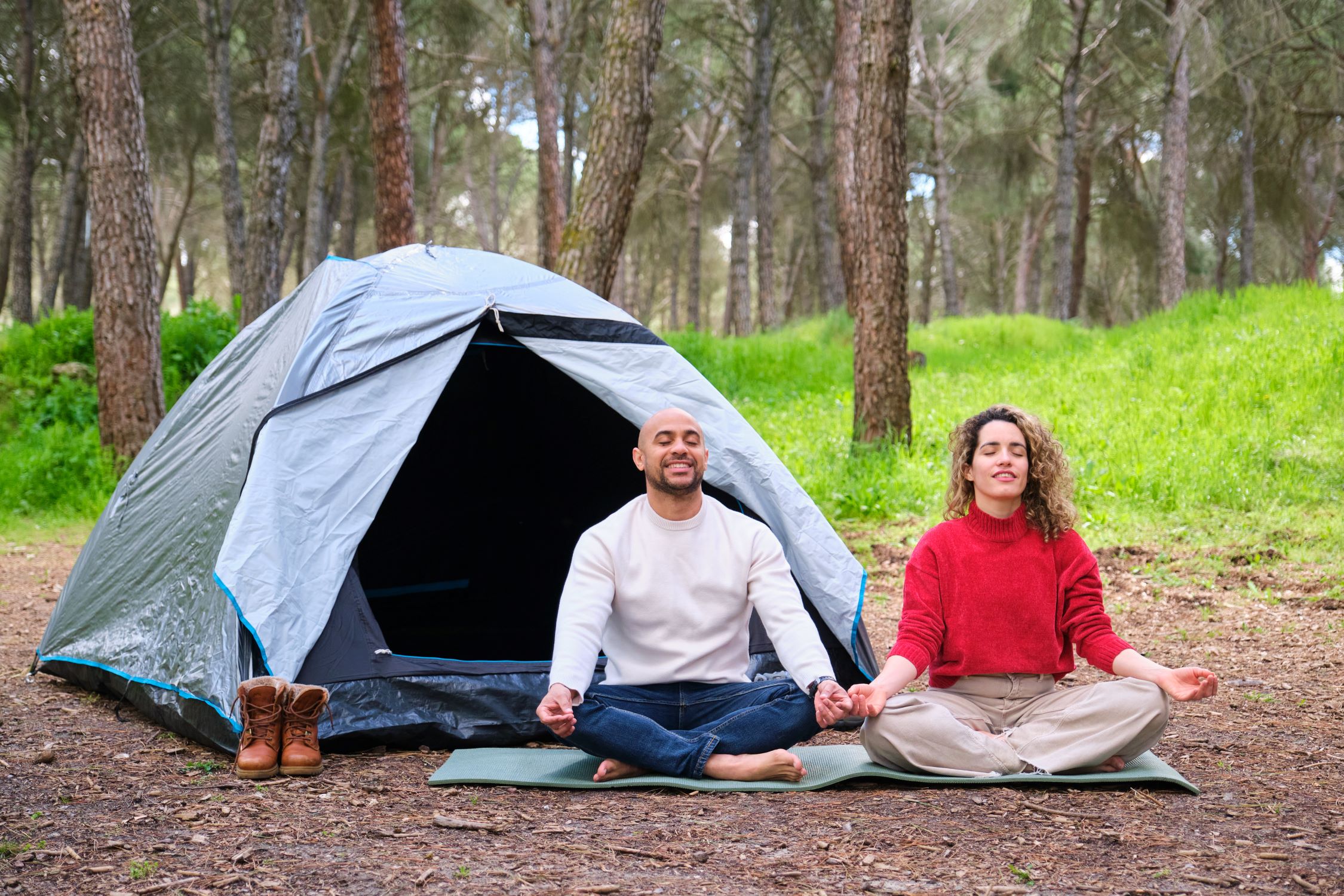
Real-life Examples Of Camping And Mental Health
Stories can show us what research numbers can’t. Here are two short examples:
- Jenna, 32, from Chicago: Jenna struggled with work stress and felt burnt out. She tried camping with a friend at a state park. At first, she was nervous about bugs and being offline. After two days, she noticed her mind was quieter and her sleep improved. Now, she camps every few months to reset her mood.
- Marcus, 45, from Texas: Marcus had trouble with anxiety and sleep. He started solo camping on weekends. Learning to set up his tent and cook simple meals boosted his confidence. He says, “Camping reminds me I can handle more than I thought.”
Simple Guide: How To Try Camping For Mental Health
If you want to see if camping helps your mental health, here’s a step-by-step approach:
- Pick a close, safe location. Try a local campground or even your backyard.
- Go for one night. This keeps things simple and lowers stress.
- Tell someone your plans. It’s safer and lets others support you.
- Bring basics: Tent, sleeping bag, water, simple food, warm clothes, flashlight.
- Leave screens behind. Use the time to rest and recharge.
- Try gentle activities: Walk, read, draw, or just sit.
- Notice how you feel after. Write about your mood, sleep, and energy.
Even if your first trip isn’t perfect, you’ll likely notice a shift in your mood or stress levels.
When To Get Extra Support
Camping can be a great tool for mental health, but it’s not a cure-all. If you have severe or ongoing mental health struggles, talk to a doctor or therapist. Camping works best as part of a bigger plan for well-being. In some cases, therapy outdoors (called ecotherapy) is used alongside other treatments.
For more information about mental health and nature, check out this resource from the Nature Conservancy.
Frequently Asked Questions
How Often Should I Go Camping For Mental Health Benefits?
Even a single camping trip can help your mood and stress. Many people notice benefits after just one night. For ongoing results, aim for a trip every few months, but listen to your own needs and schedule.
Can Camping Help With Serious Mental Health Problems?
Camping can support mental health, but it’s not a replacement for medical care. If you have severe depression, anxiety, or PTSD, talk to a professional before trying camping, especially alone.
Do I Need To Camp In A Remote Place To Feel The Benefits?
No. You can camp in a local park, your backyard, or a nearby campground. The important part is spending time outdoors and unplugging from daily stress.
What If I Don’t Like Sleeping Outside?
That’s okay. Try camping in a tent in your backyard or renting a cabin. Even short outdoor time or day trips can help mental health if camping feels too hard.
Is Camping Safe For Children Or Older Adults?
Yes, with planning. Choose safe locations and bring proper gear. Camping can be very positive for all ages, but adjust your plans to meet everyone’s needs and comfort levels.
Camping isn’t magic, but it offers a real chance to feel calmer, happier, and more connected—to nature, to others, and to yourself. If you’re curious, start small and see how your mind responds. You might find that the simple act of sleeping under the stars is the reset your mind has been seeking.

