
When you think about the complex signals that control life inside every cell, one name appears over and over: cAMP. This small molecule, whose full name is cyclic adenosine monophosphate, acts as a messenger. It helps cells “hear” outside signals, like hormones, and respond correctly. But what happens when cAMP is inhibited—when its production or action is blocked? The effects can touch nearly every system in the body, from how your heart beats to how your brain works. Understanding this process is key in biology, medicine, and even in drug development. If you’ve ever wondered what really happens when cAMP is held back, this article will break it down in clear, practical terms.
What Is Camp And Why Does It Matter?
cAMP is a “second messenger” inside cells. It carries signals from the cell’s surface (where hormones or other messengers bind) to the inside, where important changes happen. Imagine cAMP as a relay runner, grabbing the baton from hormones like adrenaline and passing it to proteins inside the cell. This triggers many processes, such as:
- Increasing heart rate
- Breaking down fat for energy
- Releasing sugar from the liver
- Regulating water in kidneys
- Helping the brain form memories
Because cAMP is so widely used, changes in its levels can have big effects. The balance of cAMP production and breakdown is tightly controlled by enzymes. When this balance is disturbed—especially when cAMP is inhibited—normal cell functions can be disrupted. This can lead to health problems and is also the basis for some treatments.
How Is Camp Inhibited?
There are two main ways cAMP can be inhibited:
- Blocking its production: Enzymes called adenylyl cyclases make cAMP from ATP (a common energy molecule). Some drugs and signals can stop these enzymes from working, so less cAMP is made.
- Increasing its breakdown: Other enzymes, phosphodiesterases (PDEs), break down cAMP. If PDEs work more, cAMP disappears faster.
Certain drugs, diseases, and toxins can either block cAMP production or increase its destruction. Understanding how this happens is important for predicting and treating the effects.
Effects Of Camp Inhibition Across Body Systems
Blocking cAMP can affect different organs in unique ways. Here’s a closer look at what happens in each major system.
The Heart And Blood Vessels
cAMP is crucial for the heart’s response to stress. It helps the heart beat faster and stronger when needed. When cAMP is inhibited:
- Heart rate decreases: The heart responds less to adrenaline, so it beats slower.
- Weaker contractions: The force of each heartbeat drops. This can lower blood pressure and make exercise harder.
- Blood vessels may not widen as needed: CAMP helps relax blood vessels, so its inhibition can keep vessels tighter and raise blood pressure.
These effects are important in treating some heart conditions, but can be dangerous if not controlled.
The Lungs
In the lungs, cAMP makes airway muscles relax, opening the airways. If cAMP is inhibited:
- Airways can narrow: Breathing becomes harder, which is risky for people with asthma or COPD.
- Less mucus clearance: CAMP helps move mucus out of the lungs, so inhibition can cause build-up.
Some asthma drugs work by boosting cAMP, so blocking it can have the opposite effect.
The Brain And Nervous System
In the brain, cAMP is involved in learning, memory, and mood. When cAMP is inhibited:
- Memory formation suffers: Studies show lower cAMP makes it harder to form long-term memories.
- Mood may drop: Low cAMP is linked to depression and other mood problems.
- Nerve signals slow down: CAMP helps nerves communicate quickly and efficiently.
Some antidepressants and memory drugs work by increasing cAMP activity.
The Liver And Metabolism
cAMP tells the liver to release stored sugar into the blood, especially during stress or fasting. If cAMP is inhibited:
- Low blood sugar: The liver cannot release glucose well, leading to hypoglycemia (low blood sugar), especially during fasting.
- Fat breakdown slows: The body has a harder time using fat for energy.
This can be dangerous for people with diabetes or metabolic diseases.
The Kidneys
cAMP helps the kidneys control water balance. It tells the kidneys to reabsorb water and concentrate urine. With cAMP inhibition:
- More water is lost: The kidneys cannot reabsorb water well, leading to more diluted urine and risk of dehydration.
- Electrolyte imbalance: Sodium and potassium levels can shift, affecting nerve and muscle function.
The Immune System
cAMP can lower inflammation by calming down immune cells. When cAMP is inhibited:
- Higher inflammation: Immune cells become more active, which can worsen autoimmune diseases or allergies.
- Faster immune response: Sometimes helpful for fighting infections, but risky if the immune system attacks the body.
Common Situations Where Camp Is Inhibited
You might wonder: in real life, when does cAMP inhibition actually happen? There are several examples in medicine and biology.
Drugs That Inhibit Camp
Some medications intentionally reduce cAMP for medical reasons. For example:
- Beta-blockers: Used to treat high blood pressure and heart disease. They block signals that raise cAMP, slowing the heart.
- Certain cancer drugs: Some aim to stop cell growth by blocking cAMP pathways.
- Opioids: These painkillers reduce cAMP in nerve cells, which is part of how they block pain signals.
Toxins And Poisons
Some bacteria release toxins that affect cAMP:
- Bordetella pertussis (whooping cough): Its toxin increases cAMP, but some toxins can also inhibit cAMP in immune cells, helping the bacteria avoid detection.
- Some snake venoms: May block cAMP signaling, leading to problems with heart and nerve function.
Genetic Diseases
Rare inherited disorders can affect cAMP pathways:
- Pseudohypoparathyroidism: The body cannot respond to parathyroid hormone because cAMP signaling is blocked, leading to low calcium.
- Certain forms of heart disease: Some involve mutations in cAMP pathway proteins.
Comparison: Normal Vs. Inhibited Camp Function
To better understand, here’s a comparison between normal and inhibited cAMP action in several body systems:
| System | Normal cAMP Action | Inhibited cAMP Action |
|---|---|---|
| Heart | Increases heart rate and force | Slower heart rate, weaker contractions |
| Lungs | Relaxes airways, improves breathing | Narrowed airways, harder breathing |
| Brain | Improves memory and mood | Impaired memory, risk of depression |
| Liver | Releases glucose into blood | Low blood sugar, poor energy |
| Kidneys | Conserves water, concentrates urine | Dehydration, diluted urine |
Clinical Signs And Symptoms Of Camp Inhibition
Recognizing when cAMP inhibition is happening can be challenging. However, certain signs often appear:
- Fatigue or weakness (due to low blood sugar or heart function)
- Shortness of breath (from narrowed airways)
- Confusion or memory problems
- Dehydration and increased urination
- Muscle cramps or irregular heartbeat (from electrolyte imbalance)
- Mood changes, such as feeling down or irritable
Doctors look for these signs when using drugs that affect cAMP or when diagnosing rare diseases.
Molecular Pathways: What Happens Inside The Cell?
Let’s look a bit deeper at the science. When cAMP is inhibited, the whole cell signaling pathway changes.
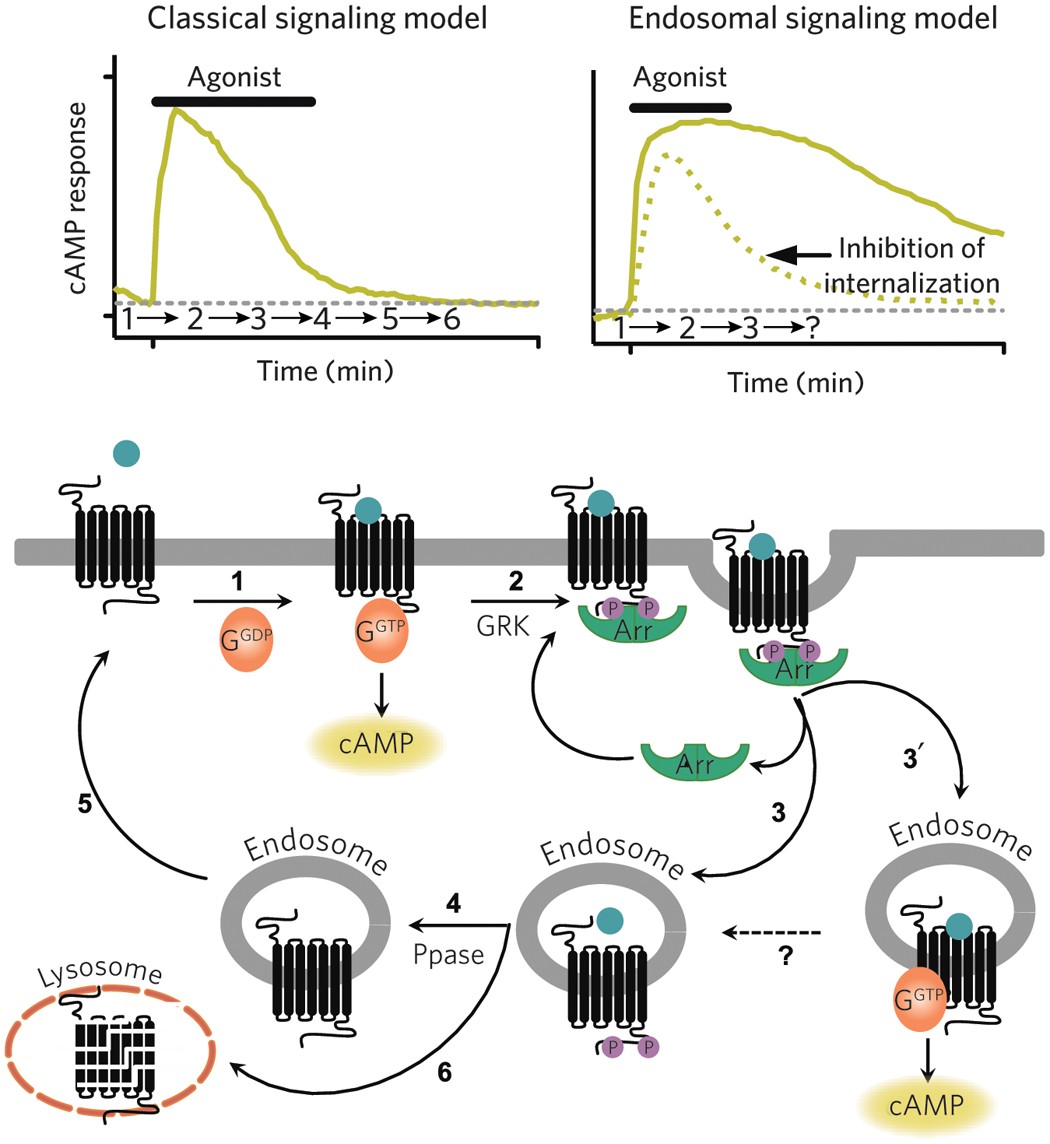
Normally, a hormone binds to a receptor on the cell surface. This activates an enzyme called adenylyl cyclase, which turns ATP into cAMP. The cAMP then activates a protein called protein kinase A (PKA). PKA changes the activity of many other proteins, leading to the cell’s response.
When cAMP is blocked (by stopping its production or speeding up its destruction), PKA is not activated. This means:
- Enzymes that break down sugar or fat are not turned on
- Ion channels in nerves and muscles do not open properly
- Genes related to memory and learning are not expressed as much
This chain reaction shows why cAMP is so important for normal cell function.
Real-world Examples And Case Studies
Seeing the effects of cAMP inhibition in real life helps make it clearer. Here are a few cases:
Beta-blockers In Heart Disease
Beta-blockers are common heart drugs. They block adrenaline’s effect, which lowers cAMP in the heart. This slows the heart rate and reduces blood pressure, helping people with heart failure or high blood pressure. But if the dose is too high, people can feel faint, tired, or dizzy—classic signs of cAMP inhibition.
Opioids And The Brain
Opioids, like morphine, block pain by lowering cAMP in nerve cells. Over time, the body adapts by making more cAMP. If a person stops opioids suddenly, there’s a surge in cAMP, causing withdrawal symptoms: sweating, shaking, anxiety. This shows how tightly the body controls cAMP levels.
Asthma And Airway Drugs
People with asthma often use drugs that increase cAMP to relax airway muscles. But if a drug or disease blocks cAMP, breathing becomes much harder. This is why cAMP is a key target for asthma treatment.

How Scientists Measure Camp Inhibition
Researchers often need to measure cAMP to study its effects. There are several ways:
- Radioactive labeling: Cells are exposed to radioactive ATP. The amount converted to cAMP shows how active the pathway is.
- ELISA tests: Special antibodies detect cAMP in cell samples.
- Fluorescent sensors: These glow when cAMP is present, allowing real-time tracking.
These methods help test new drugs and understand diseases.
Data: Frequency And Impact Of Camp Inhibition In Medicine
How often does cAMP inhibition matter in real-world medicine? The answer is: quite often, especially in heart and lung diseases.
| Condition | Role of cAMP Inhibition | US Patients Affected (per year) |
|---|---|---|
| Heart failure (beta-blocker use) | Intentional to slow heart | ~6 million |
| Asthma (poor cAMP response) | Unintentional, worsens symptoms | ~25 million |
| Opioid use (brain cAMP) | Intentional for pain relief | ~10 million |
| Rare genetic diseases | Unintentional, often severe | Thousands |
Non-obvious Insights About Camp Inhibition
Most beginners miss a few key facts about cAMP:
- CAMP effects are not always bad: Sometimes, lowering cAMP is helpful—such as slowing a dangerously fast heart. The key is balance, not just more or less cAMP.
- CAMP pathways differ by cell type: The same change in cAMP can have opposite effects in different tissues. For example, lowering cAMP in the heart slows it down, but in the pancreas, it can stop insulin release.
- Chronic inhibition leads to adaptation: The body often adjusts to long-term cAMP changes. For example, with long-term beta-blocker use, the heart may make more receptors to compensate.
Understanding these points helps avoid simple mistakes in diagnosis or treatment.
Practical Tips For Managing Camp-related Issues
If you’re a patient or healthcare provider, here are some tips:
- Know your medications: Ask if your drugs affect cAMP. This is common with heart, lung, and brain medicines.
- Watch for signs: Fatigue, memory problems, or changes in urine can be clues to cAMP changes.
- Don’t stop drugs suddenly: Especially with beta-blockers or opioids, stopping quickly can cause rebound effects.
- Stay hydrated: If cAMP is low, you may lose more water.
- Discuss symptoms with your doctor: New symptoms could mean your cAMP balance needs attention.
Research And Future Directions
Scientists are still learning about cAMP. New drugs target cAMP pathways more precisely, aiming to treat diseases with fewer side effects. For example, “selective PDE inhibitors” are being studied for depression, memory loss, and even cancer. Gene therapies may one day correct inherited cAMP pathway problems.
For more details on cAMP’s role in signaling, visit this Wikipedia article.
Frequently Asked Questions
What Is The Main Function Of Camp In The Body?
cAMP acts as a second messenger. It carries signals from outside the cell to inside, helping control heart rate, metabolism, memory, and water balance.
Which Drugs Are Known To Inhibit Camp?
Common drugs that reduce cAMP include beta-blockers (for heart disease), some cancer drugs, and opioids (for pain relief). These drugs work by either blocking cAMP production or increasing its breakdown.
What Symptoms Can Occur If Camp Is Inhibited Too Much?
Symptoms may include fatigue, slow heart rate, memory problems, low blood sugar, dehydration, and mood changes. The specific symptoms depend on which body system is affected.
Can Camp Inhibition Be Dangerous?
Yes, especially if it happens suddenly or is very strong. It can cause serious issues like heart failure, severe low blood sugar, or breathing problems, especially in people with underlying conditions.
How Is Camp Inhibition Used In Medicine?
Doctors sometimes use cAMP inhibition to slow the heart or reduce cell growth in cancer. The effects must be carefully controlled to avoid side effects.
Understanding cAMP inhibition is more than a science topic—it’s about how your body responds to stress, medicine, and disease every day. As research grows, new therapies will use this knowledge to help people live healthier lives.
