
Solo camping is more than just spending a night alone in the woods—it’s a unique way to connect with nature, build self-confidence, and enjoy true freedom. Many people dream of solo camping but feel nervous about safety, planning, or just being alone.
If you’re curious about how to start, you’re not alone. With the right guidance, anyone can learn to camp solo safely and confidently, even if it’s your first time.
This guide breaks down everything you need to know to get started with solo camping. You’ll find clear steps, practical tips, and honest advice to help you prepare, choose your gear, pick a campsite, and handle common challenges. Let’s get ready for your first solo adventure.
Why Try Solo Camping?
Solo camping teaches you more than just outdoor skills. It helps you grow as a person. When you camp alone, you make every decision yourself—from where to set up your tent to what time you eat. This freedom can be life-changing.
Some benefits of solo camping include:
- Peace and quiet: No distractions from others.
- Personal growth: You learn to trust yourself.
- Flexibility: You set your own pace and schedule.
- Stronger connection to nature: You notice more details and wildlife.
Surveys show that more people are trying solo camping each year. According to the 2023 North American Camping Report, solo campers make up almost 16% of all campers, and their numbers are growing fast.
Planning Your First Solo Camping Trip
Good planning makes solo camping safe and enjoyable. Here are the main steps:
1. Start Small
For your first solo trip, pick a location that’s:
- Close to home (within 1–2 hours)
- In a well-known park or campground
- With cell service or easy access to help
This way, you can focus on learning, not worrying.
2. Choose The Right Time
Check the weather forecast. Avoid extreme temperatures, heavy rain, or high wind. Late spring or early fall often have the best camping conditions.
3. Tell Someone Your Plan
Share your itinerary with a friend or family member:
- Where you’ll camp
- When you’ll arrive and leave
- How to reach you
Agree to check in at a set time.
4. Practice At Home
Try sleeping in your backyard or a local park before heading out. Set up your tent, use your gear, and get comfortable with being alone outside.
Essential Gear For Solo Camping
Having the right equipment makes your trip safer and more comfortable. Here’s a list of must-have items:
- Tent: Lightweight, easy to set up alone (look for “one-person” tents)
- Sleeping bag: Rated for the expected temperature
- Sleeping pad: Adds comfort and insulation
- Backpack: Fits all your gear without being too heavy
- Cooking supplies: Small stove, lighter, fuel, simple cookware
- Food and water: Enough for your trip, plus a little extra
- Headlamp or flashlight: Don’t forget spare batteries
- First aid kit: Basic supplies for cuts, scrapes, and blisters
- Navigation tools: Map, compass, or GPS device
- Clothing: Dress in layers; include rain gear
- Personal items: Sunscreen, insect repellent, hygiene items
Comparing Solo Camping Tents
It’s important to pick a tent that’s easy for one person to use. Here’s a quick comparison of three popular solo tents:
| Tent Model | Weight | Setup Time | Price Range |
|---|---|---|---|
| MSR Hubba NX Solo | 2.9 lbs | 5 minutes | $350–$400 |
| Big Agnes Copper Spur HV UL1 | 2.2 lbs | 6 minutes | $400–$450 |
| REI Co-op Quarter Dome SL 1 | 2.4 lbs | 7 minutes | $299–$349 |
Tip: Practice setting up your tent at home. This reduces stress at the campsite, especially if it’s getting dark.
How To Choose Your Solo Campsite
Picking the right campsite can make or break your solo experience. Consider these factors:
Safety First
- Stay in established campgrounds with other people nearby.
- Pick a spot with good cell service if possible.
- Avoid camping too close to water, which can attract animals.
Comfort And Convenience
- Find a flat, dry area for your tent.
- Look for natural windbreaks (trees, bushes).
- Stay near the trail or parking area to make packing up easier.
Rules And Regulations
Check if you need a permit. Each park or forest has different rules. Some limit solo campers for safety reasons.
Example: Campsite Comparison
Here’s a quick look at three types of campsites:
| Campsite Type | Facilities | Privacy | Best For |
|---|---|---|---|
| Developed Campground | Restrooms, water, fire rings | Low–medium | Beginners |
| Backcountry Site | None | High | Experienced campers |
| Dispersed Camping | None | Very high | Adventure seekers |
Beginner tip: Start with a developed campground for your first solo trip. You’ll have access to water, toilets, and sometimes a camp host who can answer questions.
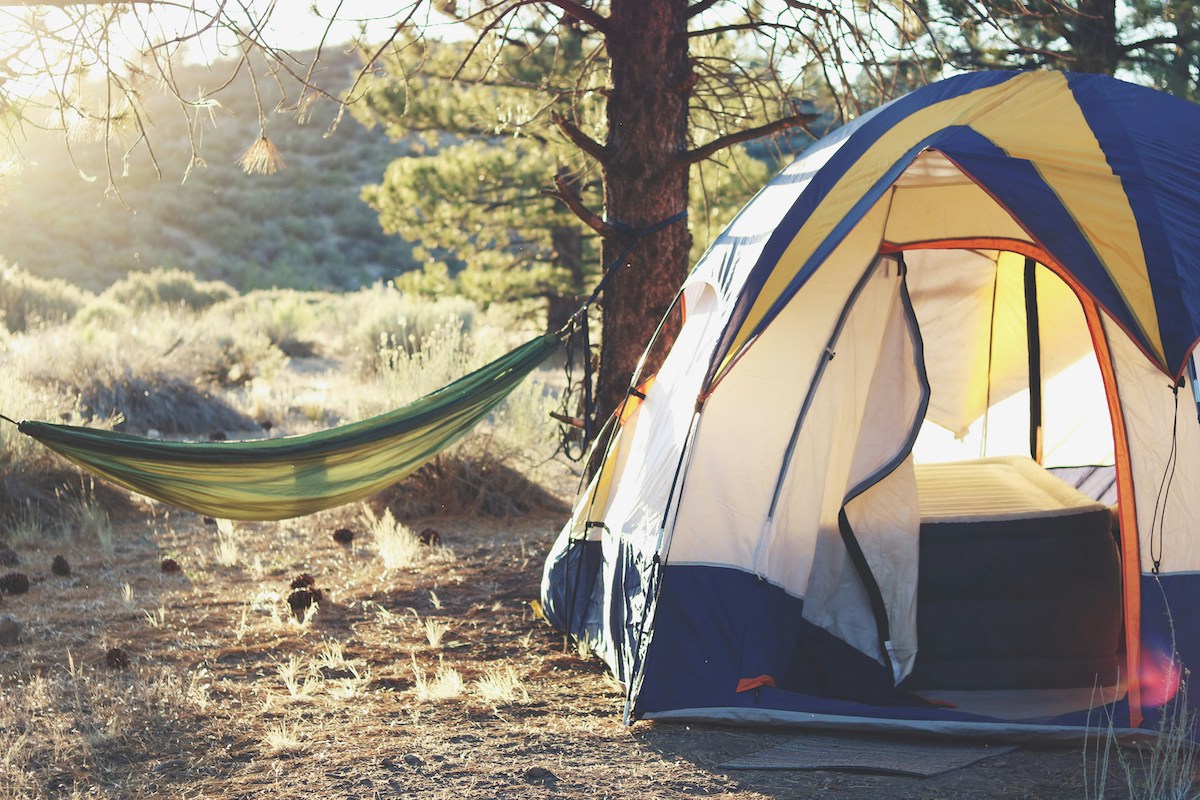
Food And Water: Simple And Safe
Cooking alone in the outdoors can be fun and relaxing. But keep it simple for your first solo trip:
- Choose easy-to-cook meals (oatmeal, pasta, soup, freeze-dried meals).
- Bring snacks like nuts, jerky, and energy bars.
- Use a single-burner stove for quick cooking.
For water, bring more than you think you’ll need. If you’ll refill from streams or lakes, always use a water filter or purification tablets.
Example: One-day Solo Camping Menu
- Breakfast: Instant oatmeal, coffee or tea
- Lunch: Tortilla with peanut butter and honey, apple
- Dinner: Instant rice with canned tuna, instant soup
- Snacks: Trail mix, granola bars
Insight: Many beginners forget to pack enough water or a way to purify it. Dehydration is a common problem, so always have a backup plan.
Safety And Common Fears
Camping alone can feel scary the first time. Most worries are about animals, getting lost, or handling emergencies. Here’s how to stay safe:
Handling Wildlife
- Store all food in sealed containers or provided lockers.
- Never keep food in your tent.
- Make noise when walking to avoid surprising animals.
Navigation
- Stick to marked trails and campsites.
- Carry a map and compass, even if you use your phone.
- Download offline maps before you go.
Emergencies
- Know the location of the nearest ranger station or help point.
- Keep your phone charged and bring a backup power bank.
- Learn basic first aid skills.
Dealing With Loneliness
It’s normal to feel uneasy when alone. Bring something that comforts you, like a book or music. Remind yourself that you’re safe and prepared.
Non-obvious insight: Most solo campers say the first night is the hardest. It gets much easier after that. Many return home feeling proud and eager to go again.

How To Pack For Solo Camping
Packing light is important when you’re alone. Every item should have a purpose. Use this method:
- Lay out all your gear.
- Remove anything you don’t need or can share (e.g., extra pots).
- Pack heavier items close to your back and center.
Sample Packing List
- Tent, stakes, groundsheet
- Sleeping bag, sleeping pad
- Backpack
- Stove, fuel, lighter
- Food, water, water filter
- Headlamp, extra batteries
- First aid kit
- Map, compass, phone
- Knife or multitool
- Clothes (layers, rain jacket)
- Personal hygiene items
Common mistake: Overpacking. Beginners often bring too many clothes or unnecessary gadgets. Stick to the basics.
First-time Solo Camping: Common Challenges And Solutions
Challenge: Bad Weather
- Solution: Check the weather before you go. Bring a good rain jacket and tarp. If the forecast looks dangerous, reschedule your trip.
Challenge: Getting Bored
- Solution: Plan simple activities. Bring a book, notepad, or camera. Try birdwatching or drawing nature scenes.
Challenge: Setting Up Camp Alone
- Solution: Practice at home. Choose a tent and gear you can handle by yourself.
Challenge: Fear Of The Dark
- Solution: Bring a reliable headlamp. Keep busy before bed—read, journal, or listen to soft music.
Advanced tip: Write a journal each night. This helps process your experience and builds confidence for future trips.
Building Solo Camping Skills Over Time
You don’t need to master everything at once. Each trip teaches you something new. After your first night, you’ll know what worked and what didn’t.
Ideas for growing your skills:
- Try a new campsite each time.
- Camp in different weather.
- Learn to start a fire or cook new meals.
- Practice using a compass.
Many experienced solo campers started with simple trips close to home. With each adventure, you’ll feel more confident.
Useful Resources For Solo Campers
If you want to learn more or connect with other campers, check out:
- REI’s camping tips
- Park websites (for rules and maps)
- Local outdoor clubs and meetups
Reading guides and joining forums can also provide support and answers to your questions.
Frequently Asked Questions
How Do I Stay Safe While Solo Camping?
Plan carefully, share your itinerary with someone you trust, and camp in areas with other people nearby. Carry a first aid kit, keep your phone charged, and know where to get help if needed. Always trust your instincts—if something feels wrong, move to a safer spot.
What If I Get Scared At Night?
It’s common to feel nervous, especially your first time. Remind yourself that most campground noises are harmless—wind, animals, or other campers. Keep a light nearby, and bring comfort items like a book or music. Over time, your confidence will grow.
How Do I Choose The Best Solo Camping Gear?
Look for lightweight, easy-to-use gear, especially tents and stoves designed for one person. Test everything at home before your trip. Ask for advice at outdoor stores, and read reviews from other solo campers. You can find more info at OutdoorGearLab.
Is Solo Camping Safe For Women?
Yes, with good planning and awareness, solo camping is safe for women. Choose popular, well-patrolled campgrounds for your first trips. Trust your instincts, avoid sharing your location with strangers, and carry a whistle or personal alarm for extra peace of mind.
What’s The Best Way To Handle Food And Trash?
Store all food and scented items (toothpaste, snacks) in bear-proof containers or lockers if available. Never keep food inside your tent. Pack out all trash, and follow the “Leave No Trace” principles to protect wildlife and nature.
—
Solo camping is a rewarding adventure that’s possible for anyone with preparation and an open mind. Start small, trust yourself, and remember that every camper was once a beginner. With each solo trip, you’ll gain new skills, confidence, and memories that last a lifetime.
Happy camping!
