
Eggs are one of the most popular foods to take camping. They are rich in protein, easy to cook, and can be used in many recipes. But eggs are also fragile and can spoil if not handled properly. If you have ever opened your cooler to find broken shells or a mess, you know the frustration. Finding the best way to take eggs camping can make your trip smoother and your meals more enjoyable. With some planning and smart packing, you can enjoy eggs in the wilderness without worries.
Why Eggs Are Great For Camping
Eggs offer several benefits for campers. They are nutritious, with about 6 grams of protein and 70 calories per egg. This makes them filling and energizing. Eggs are also versatile. You can scramble them, fry them, boil them, or use them in pancake batter. For short trips, eggs are a cost-effective way to boost your meals.
Another advantage is their quick cooking time. Most egg dishes are ready in minutes, which is helpful when you’re hungry or low on fuel. Eggs also pair well with other camping foods like vegetables, cheese, and bread. Whether you are making a breakfast burrito or a simple omelet, eggs can elevate your meal.
Challenges Of Bringing Eggs Camping
Bringing eggs camping is not as simple as tossing a carton in your bag. There are three main challenges:
- Fragility: Eggshells break easily, especially when packed with heavy gear.
- Spoilage: Eggs can spoil quickly if not kept cool, especially in summer.
- Mess: Broken eggs can leak, making cleanup difficult.
These challenges mean you need to think carefully about how to pack, store, and cook eggs. With the right approach, you can avoid most problems.
Packing Fresh Eggs For Camping
Packing fresh eggs is possible if you do it carefully. Let’s look at the safest ways to carry them:
Using Egg Carriers
Plastic egg carriers are made for camping. They hold eggs securely and protect shells from breaking. Most carriers have individual slots for each egg and snap-shut lids. Some are designed for six, twelve, or eighteen eggs.
- Pros: Lightweight, reusable, easy to clean.
- Cons: Only protect eggs, not temperature. Need a cooler for freshness.
Packing In A Cooler
If you bring a cooler, place eggs in their original carton and store them upright. Surround the carton with ice packs or frozen water bottles. Avoid placing heavy items on top of the carton. For added safety, tape the carton closed or wrap it in a plastic bag.
Tip: Keep eggs near the bottom of the cooler, where it’s coldest. Eggs last longer if kept below 40°F (4°C).
Alternative: Pre-crack And Store Eggs
Some campers prefer to pre-crack eggs at home and store them in bottles or jars. This method avoids broken shells and reduces mess. Use a clean, leak-proof container. Wide-mouth plastic bottles work best.
- Crack eggs and pour them in.
- Label the bottle with the number of eggs inside.
- Keep refrigerated until you leave.
- Store in a cooler at camp.
This method is perfect for scrambled eggs or recipes where yolks and whites can be mixed.
Comparing Packing Methods
Here’s a quick comparison of the main ways to pack eggs for camping:
| Method | Protection | Freshness | Convenience |
|---|---|---|---|
| Egg Carrier | High | Depends on cooler | Easy |
| Original Carton in Cooler | Medium | High | Moderate |
| Pre-Cracked in Bottle | Very High | High (if chilled) | Very Easy |
Taking Eggs Camping Without Refrigeration
If you don’t have a cooler, you can still enjoy eggs. Here are methods that work:
Powdered Eggs
Powdered eggs are dehydrated and can be stored without refrigeration. They come in sealed bags or cans.
- Shelf life: Up to one year unopened.
- Preparation: Mix with water to rehydrate (usually 1:1 ratio).
- Taste: Slightly different from fresh eggs, but good for scrambled eggs or baking.
Powdered eggs are ideal for backpacking or long trips.
Liquid Eggs
Some stores sell liquid eggs in cartons. These are pasteurized and safe to store for a few days without refrigeration, but check the package. At camp, keep them in a cool, shaded spot.
Hard-boiled Eggs
Boil eggs at home and pack them in a sealed container. Hard-boiled eggs last up to one week if kept cool. They are great for snacks and salads.
Comparison Of Non-refrigerated Egg Options
| Type | Shelf Life | Preparation | Best Uses |
|---|---|---|---|
| Powdered Eggs | Up to 1 year | Mix with water | Scrambled, baking |
| Liquid Eggs | Several days | Ready to cook | Omelets, pancakes |
| Hard-Boiled Eggs | Up to 1 week | Ready to eat | Snacks, salads |
Cooking Eggs At Camp
Cooking eggs outdoors is simple, but you need to adapt to your tools and fire. Here are the most common methods:
Using A Camp Stove
A camp stove gives you steady heat. Use a non-stick skillet for best results. Add a little oil or butter to prevent sticking. Scrambled eggs are the easiest, but you can fry or make omelets too.
Steps:
- Heat skillet for 1 minute.
- Add oil or butter.
- Pour in eggs.
- Stir gently for scrambled eggs, or let cook for fried eggs.
Over A Campfire
Cooking over a fire takes practice. Use a cast-iron skillet for even heat. Keep the skillet above the flames, not directly on them. Embers work best.
Steps:
- Let fire burn to hot embers.
- Place skillet on grate or rocks.
- Add eggs and cook as desired.
Tip: Rotate skillet to avoid hot spots.
Foil Packets
You can cook eggs in foil packets. Crack eggs into a greased foil sheet, add vegetables or cheese, and fold tightly. Place packets on embers for 10–15 minutes.
Hard-boiled Eggs
To boil eggs at camp:
- Fill a pot with water and eggs.
- Place on stove or fire.
- Boil for 8–10 minutes.
Cool eggs in cold water before peeling.
Making Egg Recipes
Eggs can be used in many recipes. Try these easy camping dishes:
- Egg burritos: Scrambled eggs with cheese and salsa in a tortilla.
- Vegetable omelet: Eggs mixed with peppers and onions.
- Breakfast sandwiches: Fried egg on bread with ham or cheese.
Keeping Eggs Safe And Fresh
Eggs need to be handled carefully to avoid foodborne illness. Here’s how to keep them safe:
Temperature Control
Eggs should be kept below 40°F (4°C) to prevent bacteria growth. Use ice packs and insulated coolers. Avoid leaving eggs in direct sunlight.
Cleanliness
Wash hands and utensils before handling eggs. Use clean containers. If you pre-crack eggs, store them in food-safe bottles.
Cooking Thoroughly
Eggs should be cooked until the whites and yolks are firm. Avoid undercooked eggs, especially if you are camping with young children or older adults.
Checking For Freshness
Test freshness by placing eggs in water. Fresh eggs sink; bad eggs float. If an egg smells off, discard it.

Smart Tips For Taking Eggs Camping
Here are some practical tips to make your egg-camping experience better:
- Bring only what you need. Don’t overpack eggs; count servings before you go.
- Label containers. Mark bottles with the number of eggs or the date packed.
- Protect from impact. Wrap egg cartons or carriers in a towel for extra cushion.
- Use smaller containers. If pre-cracking, use multiple small bottles rather than one large one.
- Try freezing. You can freeze raw eggs in bottles; thaw in the cooler at camp.
- Avoid overcooking. Eggs cook quickly; watch closely to prevent burning.
- Experiment at home. Test your packing and cooking methods before your trip.
- Bring seasoning. Salt, pepper, and spices make camp eggs tastier.
- Clean up fast. Egg spills attract animals and bugs; clean any mess right away.
- Choose the right tools. Non-stick pans and spatulas make cooking easier.
Common Mistakes Campers Make With Eggs
Even experienced campers can make mistakes. Here are the most frequent:
- Packing eggs loosely: Causes breakage during travel.
- Ignoring temperature: Leads to spoiled eggs and food poisoning risk.
- Not labeling containers: Makes it hard to track servings or freshness.
- Using wrong cooking gear: Eggs stick to cheap pans and burn easily.
- Leaving eggs exposed: Attracts wildlife and insects.
Avoid these mistakes for a safer, tastier camping trip.
Real-life Examples And Data
Many campers share their egg-packing successes and failures online. Surveys show that about 60% of campers bring eggs on trips. Of those, nearly 40% report broken eggs at least once. Pre-cracking eggs in bottles reduces breakage by up to 90%.
Powdered eggs are becoming popular, especially for backpackers. Sales of powdered eggs increased by 15% in the past year, according to outdoor food companies.
Experienced campers often combine methods. For example, they pack some fresh eggs in carriers for the first days and bring powdered eggs for longer trips.
Comparing Egg Options For Different Camping Styles
Different camping styles require different egg solutions. Here’s a comparison:
| Camping Style | Best Egg Option | Why |
|---|---|---|
| Car Camping | Fresh eggs in carrier | Cooler available, easy transport |
| Backpacking | Powdered eggs | Lightweight, no refrigeration |
| RV Camping | Original carton in fridge | Full kitchen, safe storage |
| Ultra-Light Camping | Pre-cracked in bottle | Reduces weight and breakage |
How To Choose The Best Way For Your Trip
Choosing the best way to take eggs camping depends on your trip length, gear, and preferences. Consider these points:
- Trip length: For short trips, fresh eggs work. For longer trips, powdered or pre-cracked eggs are better.
- Packing space: If you have limited space, powdered eggs save room.
- Cooking gear: If you have a stove, you can cook most egg dishes. If you rely on fire, stick to simple recipes.
- Food safety: If you can’t keep eggs cold, use powdered or hard-boiled eggs.
Non-obvious insight: For group camping, pre-cracked eggs in bottles make meal prep faster and reduce mess. For solo trips, powdered eggs are more practical.
Environmental Considerations
Eggshells and cartons create waste. If you bring fresh eggs, pack out all shells and cartons. Eggshells can attract animals if left at camp. Some campers bury shells, but this is not recommended due to wildlife risk.
Powdered eggs come in plastic or metal containers. Choose brands with recyclable packaging when possible.
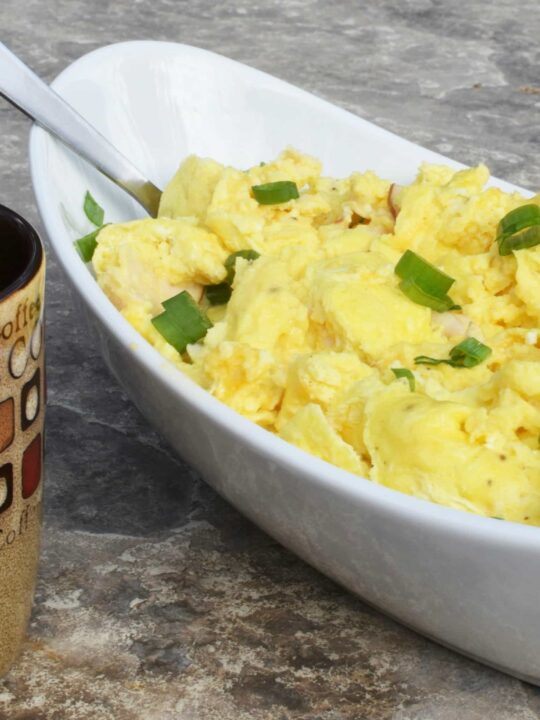
Extra Tips For Cooking Eggs Outdoors
- Let pans cool before washing. Hot pans warp if cooled too fast.
- Use wind shields. Wind affects cooking on stoves; shields help.
- Check altitude. At high altitudes, eggs take longer to cook.
- Bring oil or butter. Eggs stick less and taste better with fat.
- Try one-pot dishes. Combine eggs with rice or noodles for easy meals.
Recommended Brands And Products
For egg carriers, Coghlan’s and GSI Outdoors are popular. Powdered egg brands like OvaEasy and Mountain House have good reviews. Liquid eggs from Egg Beaters are convenient for short trips.
You can find detailed reviews on Outdoor Life.
Frequently Asked Questions
How Long Can Fresh Eggs Last In A Cooler?
Fresh eggs can last up to one week if kept below 40°F (4°C) in a cooler. Check for freshness before cooking, and keep eggs away from melting ice or water.
Can I Freeze Eggs For Camping?
Yes. Crack eggs and beat lightly, then pour into a freezer-safe bottle. Freeze before your trip. Thaw in your cooler at camp. This method keeps eggs safe for up to one month.
What’s The Best Way To Cook Eggs Over A Campfire?
Use a cast-iron skillet on hot embers, not direct flames. Add oil or butter to prevent sticking. Scrambled eggs are easiest. Keep an eye on heat to avoid burning.
Are Powdered Eggs Healthy?
Powdered eggs offer similar nutrition to fresh eggs, with protein, vitamins, and minerals. Some brands add salt or preservatives, so check labels. They are safe and convenient for camping.
How Do I Keep Eggs From Breaking During Travel?
Use a plastic egg carrier or pre-crack eggs into bottles. Wrap cartons in towels for extra cushion. Avoid packing eggs under heavy items. Store in the center of your bag or cooler for best protection.
Taking eggs camping doesn’t have to be risky or messy. With the right packing method, safe storage, and simple cooking tools, you can enjoy eggs in the outdoors just as easily as at home. Whether you use fresh, pre-cracked, powdered, or hard-boiled eggs, there is a solution for every camper.
Try different methods before your trip, and choose what fits your style. With some practice, eggs will become one of your favorite camping foods.
