
The Algarve, Portugal’s southernmost region, draws millions of visitors every year. This area is famous for its golden beaches, dramatic cliffs, and charming towns. Many tourists come for the sun and sea, but the Algarve has much more to offer: history, culture, local food, and incredible natural landscapes. If you are planning a trip, knowing the best tourist places in Algarve will help you make the most of your visit.
Lagos: History Meets The Sea
Lagos is a vibrant coastal city with a mix of old-world charm and modern energy. Walk through the cobbled streets of the Old Town, where you’ll find lively squares and colorful buildings. The city’s history goes back to the Age of Discoveries, and you can visit the Forte da Ponta da Bandeira or the old slave market museum.
Lagos is also known for its stunning beaches. Praia Dona Ana and Praia do Camilo are famous for their golden cliffs and clear blue water. Kayaking and boat tours through the Ponta da Piedade rock formations are unforgettable experiences. Summer nights come alive with street music and open-air cafes.
Albufeira: The Heart Of Algarve Nightlife
Albufeira was once a quiet fishing village, but now it’s a top spot for nightlife and beach lovers. The Old Town offers narrow lanes with whitewashed houses, local shops, and seafood restaurants. For nightlife, head to The Strip, a lively street with bars and clubs open until dawn.
Families enjoy Albufeira for its safe, sandy beaches like Praia dos Pescadores. Adventure seekers can try jet skiing, parasailing, or dolphin-watching tours. Albufeira also has several water parks nearby, perfect for a fun day out.
Faro: Cultural Capital And Gateway
As the region’s capital, Faro is more than just an entry point. Its walled Old Town is filled with historical treasures like the Faro Cathedral and Bishop’s Palace. The Museu Municipal has artifacts from Roman times and Islamic rule.
Nature lovers can explore the Ria Formosa Natural Park, a protected area of lagoons and islands. Birdwatching is popular here, especially during migration seasons. Faro is also a great place to try local dishes like cataplana (seafood stew).
Tavira: Timeless Beauty
Tavira is often called the most picturesque town in Algarve. The Roman bridge over the Gilão River and the many old churches create a peaceful atmosphere. Climb the castle walls for panoramic views, or take a ferry to Ilha de Tavira, a long sandy island beach.
The town is less crowded than other parts of Algarve, making it ideal for travelers looking for a relaxed pace. Tavira’s local markets and riverside restaurants are perfect for sampling fresh fish and regional sweets.

Credit: www.youtube.com
Sagres And Cape St. Vincent: The Wild West
At the western tip of Algarve, Sagres offers dramatic scenery and a sense of adventure. Visit the Sagres Fortress, where Prince Henry the Navigator trained explorers in the 15th century. The nearby Cape St. Vincent is known as “the end of the world” for its steep cliffs and powerful Atlantic waves.
This area is a favorite for surfers, thanks to consistent waves. Sunsets here are legendary. Few places in Europe offer such raw natural beauty combined with fascinating history.
Vilamoura: Luxury And Leisure
Vilamoura is Algarve’s answer to luxury travel. Its marina is lined with elegant yachts, high-end shops, and gourmet restaurants. Golf lovers will find some of the best courses in Portugal here.
Vilamoura’s beaches are clean and well-equipped. The area also has lively nightlife, with classy bars and a famous casino. For relaxation, many spas and resorts offer wellness treatments by the sea.
Credit: www.danflyingsolo.com
Carvoeiro: Cliffs And Caves
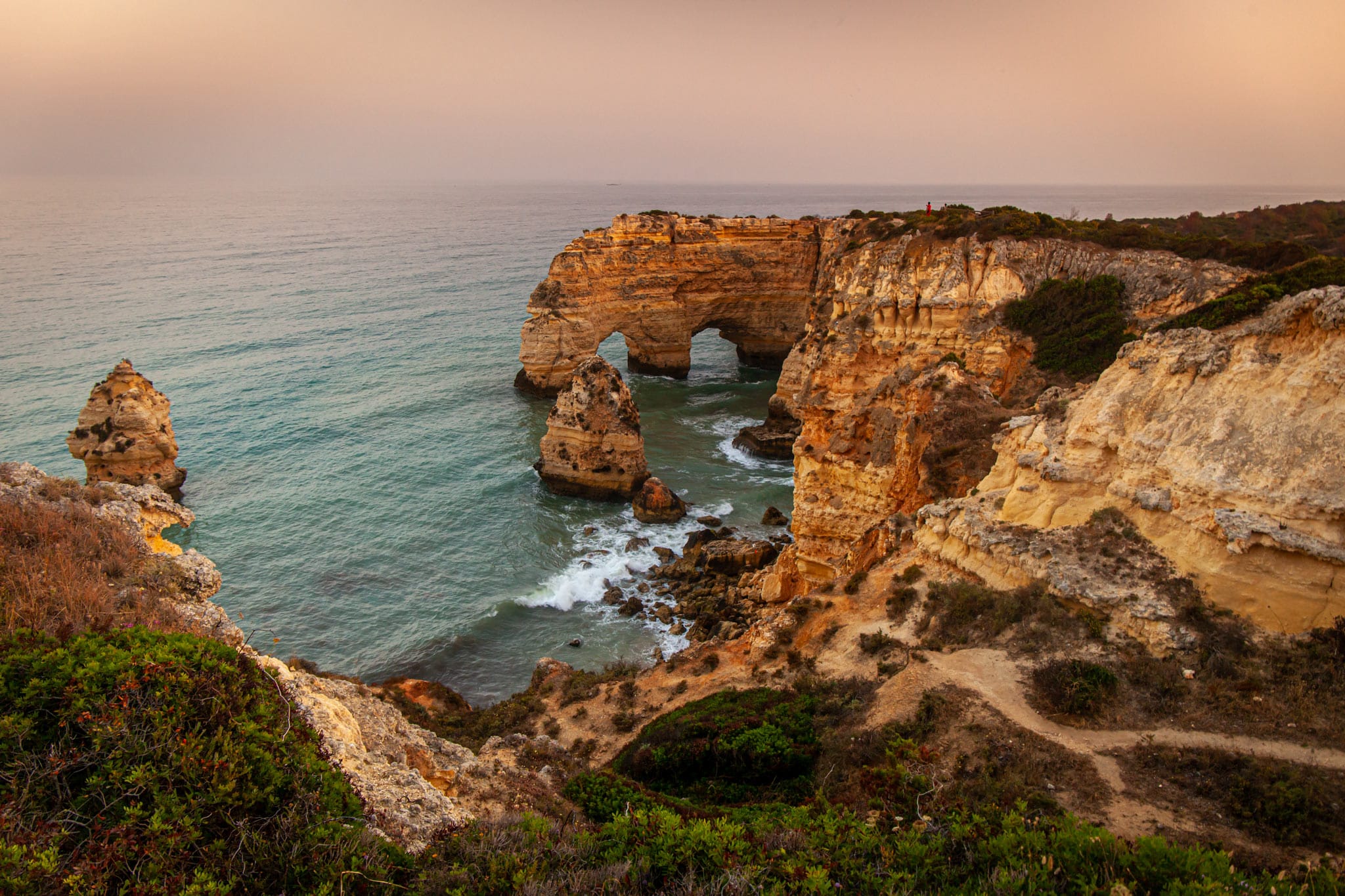
Carvoeiro is a small town known for its scenic coastline. The Algar Seco rock formations are a must-see, with caves and natural pools perfect for photos. The main beach, Praia do Carvoeiro, is set between colorful cliffs.
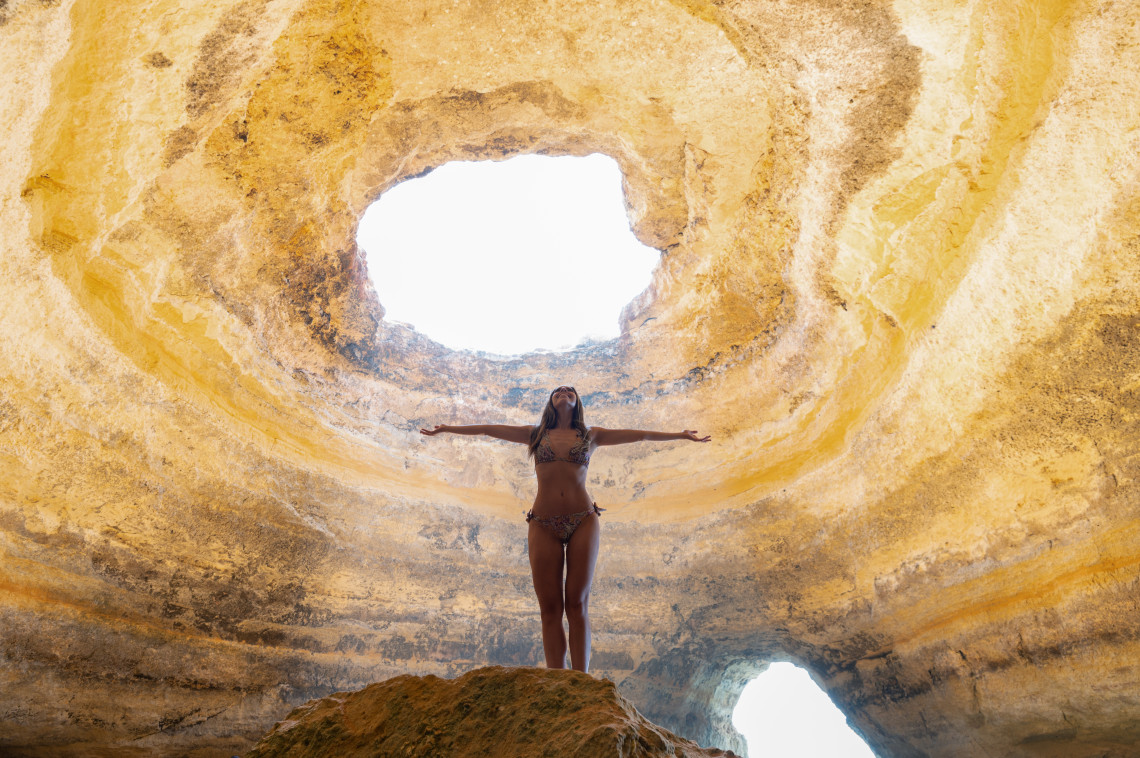
Boat trips to Benagil Cave, one of Portugal’s most photographed sea caves, leave from Carvoeiro. Early morning tours avoid crowds and offer the best light for photos.
Silves: The Red Castle
Silves is different from Algarve’s beach towns. It was once the Moorish capital of the region, and the red sandstone castle still dominates the skyline. Walk the castle walls and visit the Gothic cathedral nearby.
Silves is especially beautiful in spring, when the surrounding hills are covered in orange blossoms. The town’s small museums explain its rich history, from Roman times to the Christian reconquest.
Comparing Top Algarve Towns
Travelers often wonder how the main destinations compare. Here is a quick comparison to help you decide:
| Town | Main Attraction | Best For |
|---|---|---|
| Lagos | Ponta da Piedade | History & Nature |
| Albufeira | The Strip | Nightlife & Families |
| Faro | Old Town | Cultural Trips |
| Tavira | Roman Bridge | Quiet Getaways |
Top Natural Attractions In Algarve
Beyond towns, Algarve is famous for its natural wonders:
- Benagil Cave: Only accessible by boat, this sea cave has a hole in the roof that lets in sunlight, creating magical scenes.
- Ria Formosa: A protected lagoon system, perfect for kayaking and birdwatching.
- Ponta da Piedade: Towering golden cliffs and rock arches near Lagos, great for photography.
- Serra de Monchique: A mountain range with hiking trails and spa towns.
Many visitors miss the inland mountains, but they offer a cooler climate and peaceful villages.
Here’s a look at some top beaches:
| Beach | Nearest Town | Special Feature |
|---|---|---|
| Praia da Marinha | Carvoeiro | Cliffs & Clear Water |
| Praia Dona Ana | Lagos | Golden Rocks |
| Ilha de Tavira | Tavira | Long Sandy Island |
Local Food And Culture
Trying Algarve cuisine is a must. The region is famous for fresh seafood, especially grilled sardines and octopus salad. Don’t miss cataplana, a mix of clams, fish, and spices cooked in a special copper pan.
Festivals happen all year, from medieval fairs in Silves to seafood festivals in Olhão. Even small villages often have summer music and dance events.
A less obvious tip: book restaurants in popular areas ahead during summer. Many top spots fill up quickly, especially in Lagos and Albufeira.
Practical Tips For Visiting Algarve
- Best time to visit: Late spring (May-June) and early fall (September) offer warm weather and fewer crowds.
- Getting around: Renting a car makes it easy to explore beaches, towns, and hidden spots.
- Language: English is widely spoken in tourist areas, but learning a few Portuguese words is appreciated.
- Currency: The euro is used everywhere.
- Safety: Algarve is considered very safe, but watch for strong sun and ocean currents.
An insight many travelers miss: the Atlantic water is cooler than in the Mediterranean. Even in summer, the sea can feel refreshing. Also, many beaches have lifeguards only during peak season.
For more about Algarve’s history and attractions, see the official Algarve Wikipedia page.
Credit: portugalgetaways.com
Frequently Asked Questions
What Is The Best Time To Visit Algarve?
The best time is May to June or September, when the weather is sunny but not too hot and the crowds are smaller. July and August are busiest and hottest.
Is Algarve Suitable For Family Vacations?
Yes, Algarve is very family-friendly. Beaches have gentle waves, and there are many attractions for kids, including water parks and zoos.
Do I Need To Rent A Car In Algarve?
Renting a car gives you more freedom to explore hidden beaches and villages. Public transport works between main towns but is limited for remote areas.
What Are The Most Famous Beaches In Algarve?
Some of the most famous are Praia da Marinha, Praia Dona Ana, and Praia do Camilo. Each offers unique scenery and clear water.
Is Algarve Expensive For Tourists?
Algarve can be affordable or luxurious. Prices are higher in summer and in tourist hotspots, but you can find budget hotels, local cafes, and free natural attractions year-round.
The Algarve’s mix of sun, culture, and nature makes it one of Europe’s best travel destinations. Whether you want adventure, relaxation, or a taste of Portugal’s history, you’ll find it here.
