
Cape Town attracts travelers from around the world with its mix of stunning nature, rich history, and vibrant culture. Whether you love beautiful beaches, mountain hikes, or exploring local markets, Cape Town has something for every visitor. This city sits on the southwestern tip of Africa, where the Atlantic and Indian Oceans meet, creating a unique climate and landscape.
If you’re planning a trip, knowing the best tourist places will help you get the most from your visit.
Table Mountain: Iconic Natural Wonder
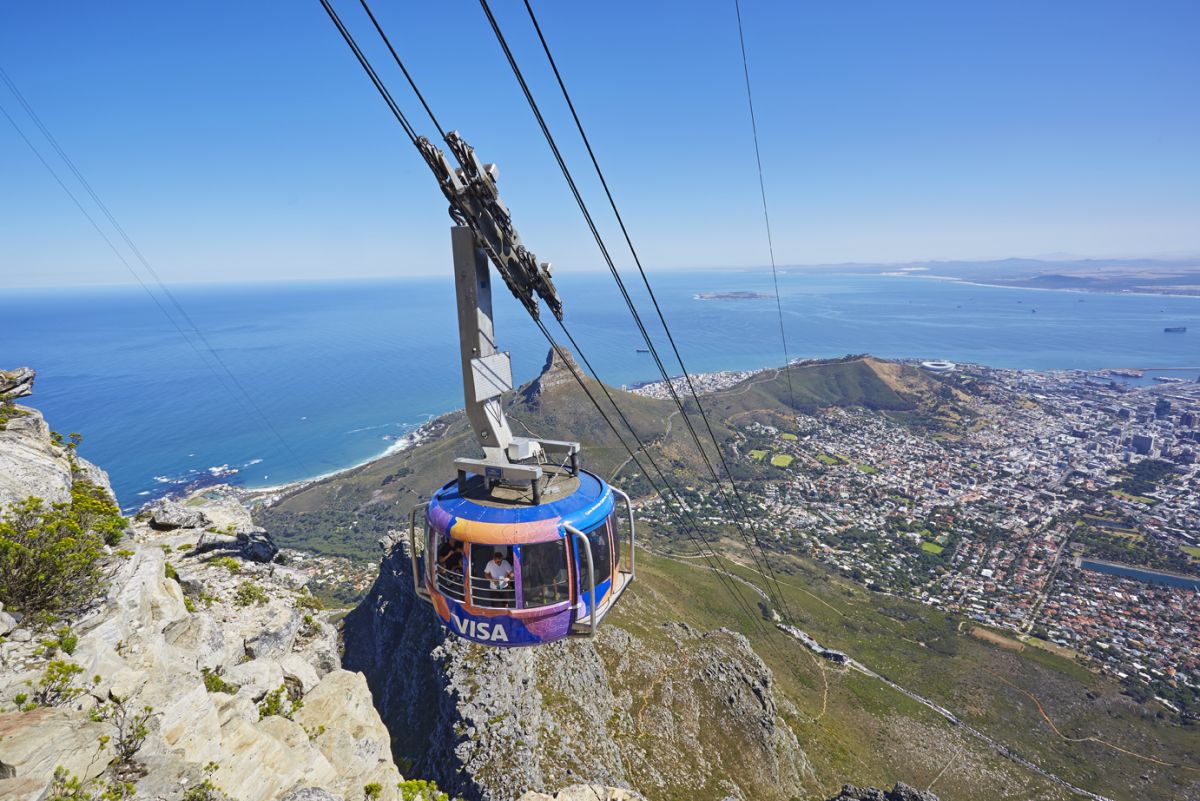
Table Mountain is Cape Town’s most famous landmark. Rising over 3,500 feet, it offers sweeping views of the city and the ocean. You can reach the top by hiking or taking the Table Mountain Aerial Cableway, which carries over 800,000 visitors per year.
| Access Method | Time Needed | Difficulty |
|---|---|---|
| Cable Car | 5-10 minutes | Easy |
| Hiking | 1.5–3 hours | Moderate/Hard |
Early morning or late afternoon visits are best for avoiding crowds and enjoying the views. Many visitors miss checking the weather; the mountain can be covered in clouds, so always check conditions before going.
V&a Waterfront: Shopping And Entertainment Hub
The V&A Waterfront is a lively area with shops, restaurants, and attractions. It welcomes nearly 24 million visitors each year. You’ll find local crafts, seafood, and luxury brands here.
- Two Oceans Aquarium: See over 3,000 marine creatures.
- Robben Island Ferry: Boats leave from here to the historic prison island.
- Live Music: Daily performances add a festive touch.
This spot is great for families and couples. Many overlook the food markets inside the main hall, which offer delicious, affordable meals.
| Activity | Estimated Cost | Best Time to Visit |
|---|---|---|
| Shopping | $10–$100+ | All day |
| Aquarium | $15–$20 | Morning |
| Robben Island Tour | $30–$35 | Early morning |

Credit: stingynomads.com
Robben Island: Historic Unesco Site
Robben Island is a UNESCO World Heritage Site, known for its history as a prison. Nelson Mandela spent 18 years here. Tours include a ferry ride, a guided bus tour, and a visit to Mandela’s cell. Only 1,800 visitors are allowed per day, so book early.
A common mistake is not reserving tickets ahead of time; tours often sell out, especially in peak season.
Cape Point: Dramatic Ocean Views
Located about 40 miles south of the city, Cape Point is part of the Table Mountain National Park. It’s famous for its tall cliffs, lighthouse, and the place where two oceans seem to meet.
- Funicular Ride: Take the “Flying Dutchman” to the top.
- Hiking Trails: Over 30 miles of paths for all skill levels.
- Wildlife: Spot baboons, antelope, and seabirds.
Most people spend 2–3 hours here. Bring a jacket; strong winds are common.
| Feature | Distance from City | Entry Fee |
|---|---|---|
| Lighthouse | 40 miles | $8–$10 |
| Nature Trails | 40 miles | Included |
Kirstenbosch National Botanical Garden: Floral Beauty
Kirstenbosch is one of the world’s best botanical gardens. It covers over 1,300 acres and showcases over 7,000 plant species, mostly from South Africa. The Boomslang Tree Canopy Walkway gives visitors a bird’s-eye view.
Don’t miss the summer evening concerts held in the gardens. Many skip the guided tours, but they offer valuable insights into rare plants and local history.
Boulders Beach: Penguins And Sandy Shores
Boulders Beach is famous for its colony of African penguins. There are about 2,000 penguins living here. Wooden walkways let you observe these birds up close without disturbing them.
Swimming is allowed, but the water is chilly. Avoid weekends if you want fewer crowds.
Credit: www.africaincoming.com
District Six Museum: Cultural And Social History
The District Six Museum tells the story of the forced removals during apartheid. It displays photos, maps, and personal items from former residents. Entry costs about $5.
The museum is small but powerful. Many tourists skip this site, but it gives important context to Cape Town’s history.
Camps Bay: Beach And Nightlife
Camps Bay is known for its white sand and trendy restaurants. It’s perfect for sunsets, beach walks, and evening drinks. The area gets busy in summer, so arrive early to find parking.
Bo-kaap: Colorful Neighborhood And Heritage
Bo-Kaap is famous for its bright houses and Cape Malay culture. Walking tours explain the history and food traditions. Try local dishes like bobotie and koeksisters. Photography is popular here, but remember to respect residents’ privacy.
Non-obvious Insights For Travelers
- Cape Town’s weather changes quickly. Always pack layers, even in summer, as wind and fog can appear suddenly.
- Tap water is safe to drink. Many visitors buy bottled water, but local tap water meets international standards.

Credit: www.nationalgeographic.com
Frequently Asked Questions
What Is The Best Time To Visit Cape Town?
The best months are October to April, when it’s warm and dry. Winter (May–August) brings cooler temperatures and rain, but fewer tourists.
Is Cape Town Safe For Tourists?
Cape Town is mostly safe in tourist areas. Use common sense: avoid walking alone at night, keep valuables hidden, and use official taxis or rideshare services.
How Many Days Should I Spend In Cape Town?
Most travelers stay 4–7 days to see the main attractions, enjoy local food, and relax on the beaches.
Can I See Both Table Mountain And Cape Point In One Day?
It’s possible, but you’ll need to start early. Table Mountain and Cape Point are about 1.5 hours apart by car. Some tour operators offer full-day trips covering both.
Where Can I Find More Information About Cape Town Attractions?
For official details, visit the Cape Town government site.
Cape Town’s mix of natural beauty, history, and culture makes it a must-visit city. Whether you’re hiking up Table Mountain, learning about apartheid at Robben Island, or relaxing at Camps Bay, you’ll find unforgettable experiences. Plan ahead, try local foods, and explore both famous and lesser-known spots for a trip you’ll remember.
