
Casablanca, the economic heart of Morocco, is a city where tradition meets modern life. Travelers often expect a city of business towers, but Casablanca has a lot more. From stunning architecture to vibrant markets, this city offers many unique experiences.
Whether you love history, architecture, or the ocean, you will find something special here. Let’s explore the best tourist places in Casablanca and what makes each one worth your time.
Hassan Ii Mosque
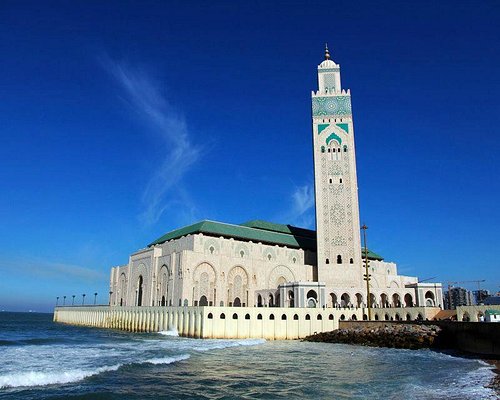
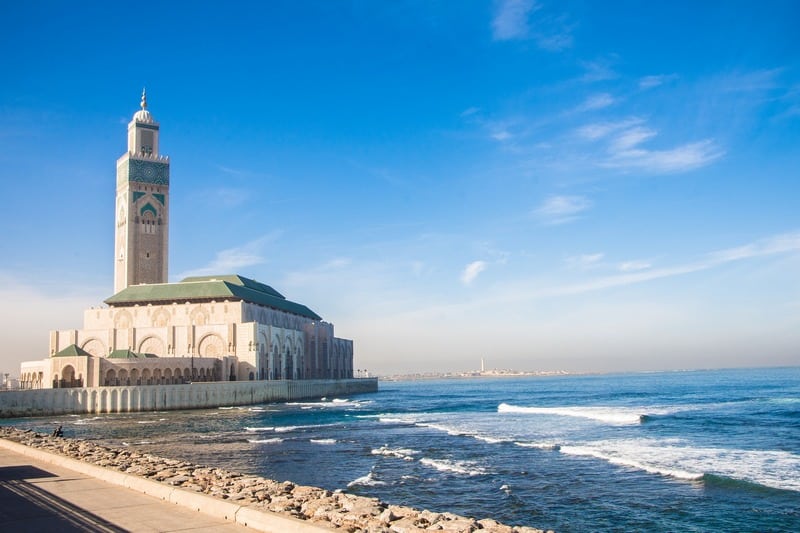
One of the most iconic landmarks in Morocco is the Hassan II Mosque. It stands partly over the Atlantic Ocean and is the largest mosque in Africa. The minaret rises 210 meters (689 feet), making it the tallest in the world. Up to 25,000 people can pray inside, and another 80,000 can gather in the mosque’s courtyard.
What makes it extra special is that non-Muslims can join guided tours, which is rare in Morocco. You’ll see detailed mosaics, marble floors, and a glass floor that lets you see the sea below. Morning visits are best to avoid crowds.
The Corniche
If you want to relax by the sea, La Corniche is the perfect spot. This beachfront area is full of cafes, restaurants, and clubs. You can walk along the coast, enjoy the ocean breeze, or even swim at public and private beaches.
Families enjoy the Corniche for its safe walkways and playgrounds. During sunset, the views are stunning. It’s also a good place to see how locals spend their free time, especially on weekends.
Old Medina Of Casablanca
Unlike the famous medinas of Fes or Marrakech, Casablanca’s Old Medina is more relaxed and less touristy. Here, you can wander through narrow streets, discover small shops, and buy local goods like leather, spices, and jewelry.
You won’t find aggressive sellers here, which makes shopping more enjoyable. The Old Medina is also great for street photography, with its old buildings and daily life scenes.
Place Mohammed V
Place Mohammed V is the main square in Casablanca and a center of government buildings. The architecture here mixes French colonial style with Moroccan design. The square is surrounded by palm trees, fountains, and important buildings like the Law Courts and the Bank of Morocco.
It’s a lively place, especially in the afternoon. Local people come here to relax, feed pigeons, or enjoy the fountains. For visitors, it’s a good starting point to explore the city center.
Credit: www.tripadvisor.com
Quartier Habous (new Medina)
Built by the French in the 1930s, Quartier Habous is often called the “New Medina.” It blends traditional Moroccan architecture with modern planning. This area is famous for its bookshops, bakeries, and stores selling handicrafts.
One highlight is the olive market, where you can taste different types of olives and pickles. The neighborhood is also known for its peaceful atmosphere and clean streets. It’s a favorite spot for buying souvenirs.
The Royal Palace Of Casablanca
The Royal Palace is not open to the public, but you can view its grand gates and gardens from outside. The palace is an example of beautiful Moroccan architecture, with carved doors and colorful tiles.
If you visit early in the morning, you can avoid crowds and take good photos. The area around the palace is also worth a walk, with its wide streets and old trees.
Casablanca Cathedral (sacré-cœur Cathedral)
The Casablanca Cathedral is no longer used for religious services, but it is an impressive example of neo-Gothic architecture. Built in 1930, it now hosts art exhibitions and cultural events. The white towers and large windows give it a unique look among the city’s buildings.
You can climb to the top for a panoramic view of Casablanca. It’s not as busy as other attractions, so it’s a good spot for a quiet break.
Morocco Mall
If you enjoy shopping or want family entertainment, Morocco Mall is the largest shopping center in Africa. It has more than 350 stores, a large aquarium, and even an indoor ice rink. The mall is located right on the coast, so you can enjoy ocean views while you shop.
A unique feature is the “Aquadream” aquarium, where you can ride an elevator through the center of the tank. The mall also offers many international restaurants and a cinema.
Credit: www.journalofnomads.com
Ain Diab Beach
Ain Diab is Casablanca’s main public beach. It’s popular for swimming, surfing, and sunbathing. The beach area is lined with cafes and clubs, and lifeguards are on duty during the summer.
Local tip: Visit early in the day to find a good spot and avoid crowds. The water can be cold, but the lively atmosphere makes up for it.
Art Deco Architecture
Casablanca is known for its Art Deco buildings, which date back to the early 20th century. Walk along Boulevard Mohammed V and Boulevard de Paris to see beautiful facades, old cinemas, and historic hotels.
Many visitors miss this side of the city, but it’s worth exploring for its unique charm. Some buildings are now coffee shops or boutiques. Pay attention to the details on doors and balconies.
Here’s a quick comparison of popular attractions:
| Attraction | Type | Best Time to Visit |
|---|---|---|
| Hassan II Mosque | Religious/Architecture | Morning |
| La Corniche | Beachfront/Leisure | Sunset |
| Old Medina | Market/History | Afternoon |
Local Food And Markets
While exploring Casablanca, don’t miss the chance to try local food. Popular dishes include tagine, couscous, and pastilla. For street food, try msemen (Moroccan pancakes) or grilled sardines near the port.
Markets like Marché Central offer fresh produce, fish, and spices. Bargaining is common, but prices are usually fair.
A look at local food options:
| Dish | Main Ingredient | Where to Try |
|---|---|---|
| Tagine | Lamb/Chicken/Vegetables | Traditional restaurants |
| Couscous | Semolina, Meat, Vegetables | Friday lunch specials |
| Grilled Sardines | Fish | Port area eateries |
Tips For Visiting Casablanca
- Dress modestly, especially when visiting religious sites.
- Use official taxis or ride-hailing apps for safety.
- Learn a few basic French or Arabic phrases; English is not widely spoken.
- Carry some cash, as small shops may not accept cards.
- Tap water is safe in most hotels, but bottled water is recommended for visitors.

Credit: www.youtube.com
Frequently Asked Questions
What Is The Best Time Of Year To Visit Casablanca?
The best time is spring (March to May) or autumn (September to November). The weather is mild, and there are fewer tourists.
Is Casablanca Safe For Tourists?
Yes, Casablanca is generally safe. However, watch your belongings in crowded places and avoid walking alone late at night.
How Many Days Should I Spend In Casablanca?
Two to three days is enough to see the main sights and enjoy the city’s atmosphere.
Can I Visit The Hassan Ii Mosque If I’m Not Muslim?
Yes, non-Muslims can join guided tours at specific times. Check the schedule before you go.
Where Can I Learn More About Casablanca?
For more details, visit the Wikipedia page on Casablanca. It covers history, culture, and travel tips.
Casablanca offers a mix of old and new, quiet corners and lively streets. With its impressive mosque, relaxed beaches, and unique architecture, it’s a city that rewards curious travelers. Even a short stay will give you a taste of Morocco’s rich culture and modern energy.
