
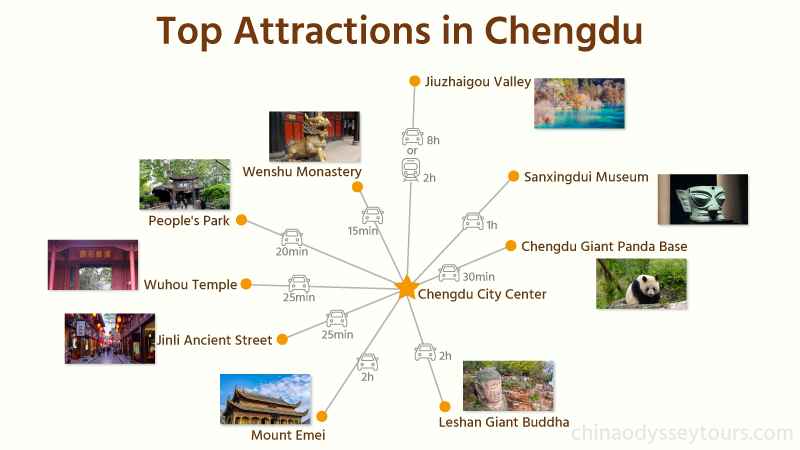
Chengdu, the capital of Sichuan Province, is one of China’s most fascinating cities. Known for its relaxed lifestyle, spicy cuisine, and deep history, Chengdu attracts millions of visitors each year. This city is not just a gateway to giant pandas; it’s a vibrant mix of old and new, tradition and innovation. If you’re planning a trip, these are the best tourist places in Chengdu that deserve a spot on your itinerary.
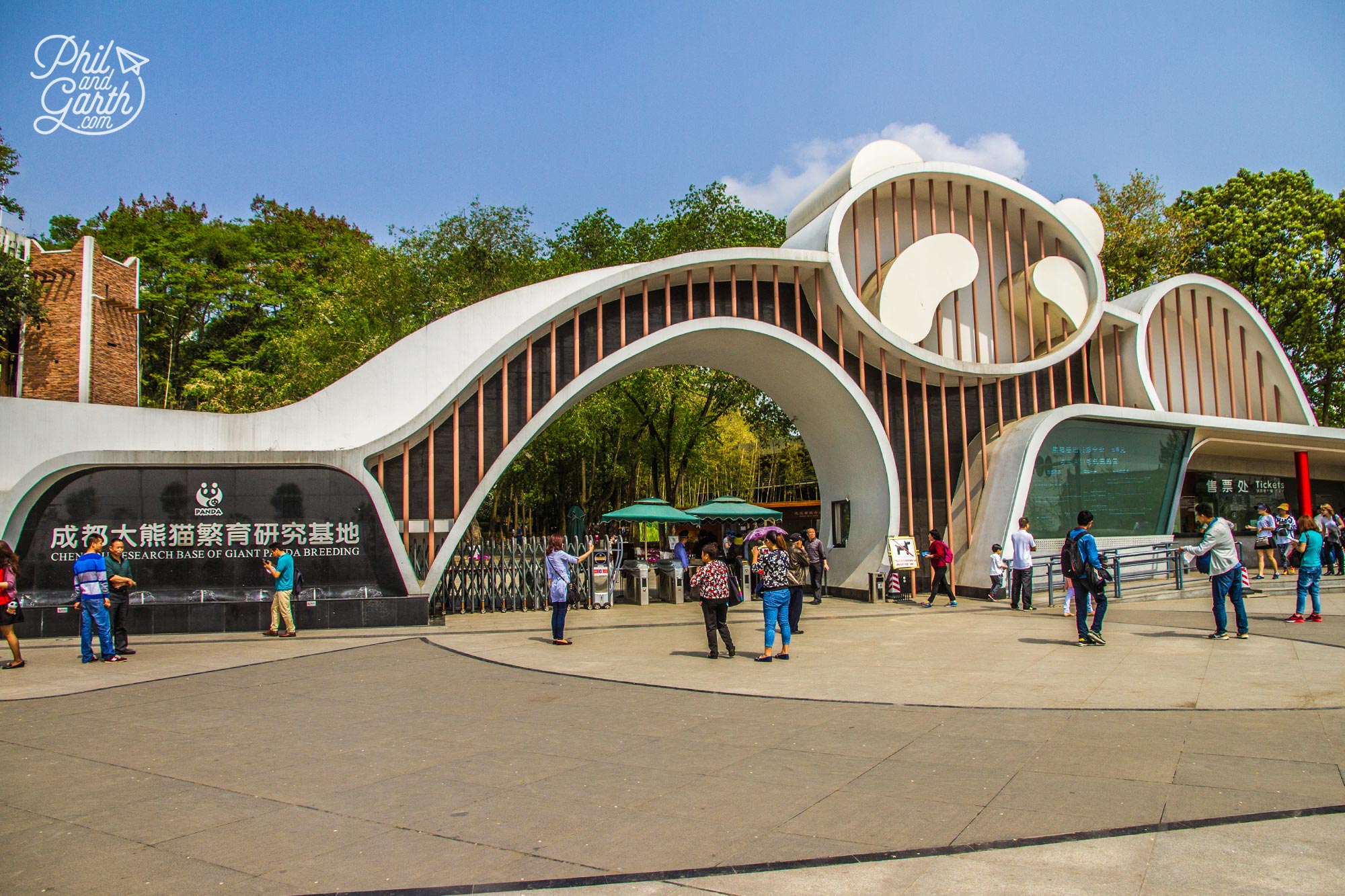
Chengdu Research Base Of Giant Panda Breeding
No visit to Chengdu feels complete without seeing the giant pandas. The Chengdu Research Base is home to more than 150 pandas, including playful cubs and rare red pandas. It’s best to visit early in the morning, when pandas are most active during feeding time.
This base isn’t just a zoo—it’s a world-famous research center. Visitors can watch pandas eat bamboo, climb trees, or nap in their specially designed enclosures. The base also has informative exhibits about panda conservation. For animal lovers, this is a highlight.
Panda Base Quick Facts
| Feature | Details |
|---|---|
| Opening Hours | 7:30 AM – 6:00 PM |
| Entry Fee | 55 RMB (approx. $8 USD) |
| Location | 10 km north of city center |
Wuhou Shrine And Jinli Ancient Street
The Wuhou Shrine is dedicated to Zhuge Liang, a legendary military strategist from the Three Kingdoms period. Surrounded by peaceful gardens and ancient cypress trees, the shrine offers a glimpse into China’s colorful history. Statues, calligraphy, and old structures make it a must-see for history fans.
Right next to the shrine is Jinli Ancient Street. This lively pedestrian street is famous for local snacks, handicrafts, and Sichuan opera performances. Try classics like mapo tofu, spicy rabbit head, and sweet glutinous rice cakes from street vendors. The lantern-lit alleyways come alive at night, creating a magical atmosphere.
Credit: www.philandgarth.com
Kuanzhai Alley (wide And Narrow Alleys)
Kuanzhai Alley is a blend of old and new Chengdu. The area is made up of three parallel alleys: Wide Alley, Narrow Alley, and Well Alley. Restored Qing Dynasty buildings now house trendy cafes, teahouses, boutiques, and art galleries.
Wandering here, you’ll see locals playing mahjong, sipping tea, or practicing traditional crafts. It’s a perfect spot to experience everyday Sichuan culture and pick up unique souvenirs.
Chengdu People’s Park
For a taste of local life, head to the People’s Park. This popular city park is filled with lotus ponds, tea houses, and open-air dance groups. Join locals for a cup of jasmine tea, watch elders practicing tai chi, or listen to live Sichuan opera.
One unique sight here is the “matchmaking corner,” where parents post information about their children in hopes of finding them a spouse. It’s a fascinating cultural experience you won’t find in most guidebooks.
Credit: www.chinaodysseytours.com
Qingcheng Mountain
If you want to escape the city, Qingcheng Mountain is about 70 km from downtown Chengdu. This UNESCO World Heritage site is one of China’s birthplaces of Taoism. Lush forests, ancient temples, and misty peaks create a peaceful setting for hiking and meditation.
The mountain is divided into Front Mountain (more temples, easier trails) and Back Mountain (wilder, for experienced hikers). Don’t miss the Jianfu Palace and Tianshi Cave. Spring and autumn are the best seasons for a visit.
Qingcheng Mountain: Front Vs. Back
| Section | Main Attractions | Difficulty |
|---|---|---|
| Front Mountain | Jianfu Palace, Tianshi Cave | Easy to Moderate |
| Back Mountain | Natural Scenery, Waterfalls | Challenging |
Dujiangyan Irrigation System
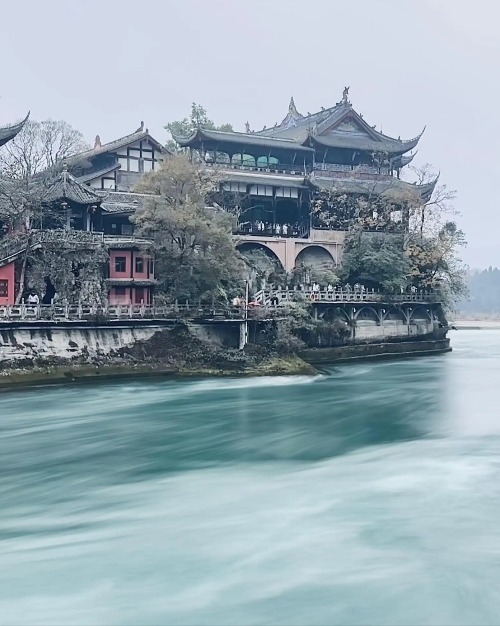
Built over 2,200 years ago, the Dujiangyan Irrigation System is a UNESCO World Heritage site and an engineering marvel. It’s the oldest water-control project still in use, providing water to the Chengdu Plain.
Visitors can walk across ancient bridges, see the Fish Mouth Levee, and enjoy views of the Min River. There are also temples and gardens nearby. The site combines history, engineering, and natural beauty, making it a favorite for both families and solo travelers.
Sichuan Opera And Hotpot Experience
Chengdu is famous for two things: Sichuan opera and hotpot. The opera is unique for its fast face-changing (bian lian) performances, where actors swap masks in a split second. Traditional theaters like Shufeng Yayun Teahouse offer nightly shows with music, puppetry, and comedy.
After the show, try a classic Chengdu hotpot. Choose your meats, vegetables, and tofu, and cook them in a bubbling spicy broth. Don’t forget a glass of local plum juice to cool the heat. Some restaurants blend opera and hotpot for an unforgettable evening.
Popular Hotpot Vs. Traditional Hotpot
| Type | Spice Level | Ingredients |
|---|---|---|
| Popular Hotpot | Medium to High | Beef, fish, vegetables |
| Traditional Hotpot | Very High | Offal, duck blood, tripe |
Lesser-known Gems In Chengdu
While most tourists flock to the big attractions, Chengdu also has hidden spots worth exploring:
- Wenshu Monastery: The best-preserved Buddhist temple in Chengdu, featuring peaceful courtyards and vegetarian food.
- Anshun Bridge: A scenic spot, especially at night when the bridge lights up over the Jin River.
- Sichuan Museum: A modern museum with over 300,000 artifacts, from ancient bronzes to Tibetan art.
These quieter places offer a deeper look at Chengdu’s history and daily life.
Tips For Visiting Chengdu
- The best time to visit is March to June or September to November for mild weather.
- Public transport is excellent; the metro connects most tourist spots.
- English is not widely spoken, so a translation app can help.
- Chengdu is famous for slow-paced living—take your time to enjoy tea houses and parks.
Frequently Asked Questions
What Is The Best Month To Visit Chengdu?
The best months are March to June and September to November. These periods have comfortable weather and fewer tourists compared to peak summer.
Is Chengdu Safe For Tourists?
Yes, Chengdu is considered very safe for travelers. Like any big city, keep an eye on your belongings in crowded places.
How Many Days Should I Spend In Chengdu?
A 3-4 day trip lets you see major sights like the panda base, Wuhou Shrine, and one or two day trips (for example, Qingcheng Mountain).
Can I See Pandas Outside The Research Base?
While the Chengdu Research Base is the most popular, you can also see pandas at the Dujiangyan Panda Valley. It’s less crowded and offers volunteer experiences.
Where Can I Find More Information About Chengdu?
You can find more details on the official Wikipedia page for Chengdu and local tourism websites.
Chengdu offers something for everyone—nature, history, food, and culture. Whether you’re watching pandas, enjoying spicy hotpot, or strolling through ancient streets, this city will leave you with lasting memories.
Credit: www.dorsetthotels.com
