
Easter Island is one of the world’s most mysterious and fascinating travel destinations. Located over 2,000 miles from mainland Chile in the Pacific Ocean, this remote volcanic island is famous for its giant stone statues called moai. But there’s much more to see than just the statues. Visitors come for the unique mix of ancient culture, wild landscapes, and relaxing beaches. If you’re planning a trip, knowing the best tourist places in Easter Island will help you make the most of your time.
Rano Raraku: The Moai Quarry
Rano Raraku is where nearly all of Easter Island’s moai were carved. The site looks like a giant open-air museum. Over 400 statues are scattered across the volcanic hillside—some finished, some half-buried, and others still attached to the rock. Walking among these silent figures gives a powerful sense of history.
You can follow a walking trail that brings you close to many moai, including the largest ever built, which is over 70 feet long. Early morning is the best time to visit for fewer crowds and cooler weather.
Ahu Tongariki: The Iconic Moai Line
When people picture Easter Island, they often imagine the row of 15 moai at Ahu Tongariki. This restored site is the largest ceremonial platform on the island. The statues face inland, watching over the ancient village that once stood behind them.
Ahu Tongariki is especially famous for sunrise. As the sun rises behind the statues, their outlines create a breathtaking scene. It’s also a great spot for photography. In the 1960s, a tsunami destroyed this ahu, but it was carefully restored in the 1990s.
Credit: ecochile.travel
Anakena Beach: White Sand And Palm Trees
Not all of Easter Island is rocky and wild. Anakena Beach is a tropical surprise, with soft white sand and clear blue water. Tall palm trees provide shade, and it’s one of the few places safe for swimming.
Near the beach, you’ll find the Ahu Nau Nau platform, which holds several well-preserved moai. These statues have detailed carvings and some still wear stone hats. Anakena is perfect for relaxing after a day of exploring ruins.
| Feature | Anakena Beach | Other Beaches |
|---|---|---|
| Swimming | Safe and calm | Often rocky, unsafe |
| Facilities | Showers, food stalls | Few/no facilities |
| Moai Nearby | Yes (Ahu Nau Nau) | No/rare |
Orongo Village And Rano Kau Crater
On the edge of a massive crater sits Orongo, an ancient ceremonial village. It was the center of the mysterious Birdman cult, which held annual competitions for power. You can see the remains of stone houses and beautiful rock carvings.
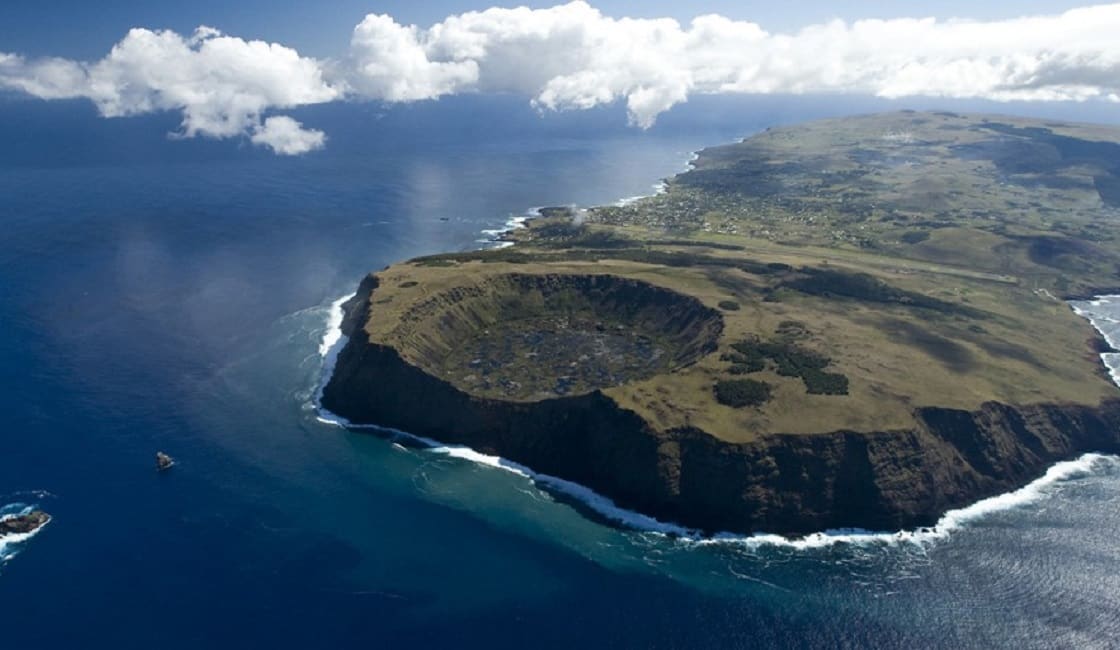
The nearby Rano Kau crater is one of Easter Island’s natural wonders. Its steep cliffs drop into a freshwater lake filled with floating reeds. The view from the top is dramatic and gives you a sense of the island’s volcanic origins.
Ahu Akivi: The Seven Seers
Most moai face inland, but the statues at Ahu Akivi look out to sea. Local legend says these seven moai represent explorers sent to find the island. This site is set in the grassy interior, giving it a peaceful, open feeling.
Ahu Akivi is also important for its astronomical alignment. Each statue faces the sunset during the spring equinox. This suggests the ancient Rapa Nui people had advanced knowledge of the stars.
Puna Pau: The Red Hat Quarry
If you notice the moai with red “hats” (called pukao), they all come from Puna Pau. This small volcanic crater was the quarry for the red scoria stone used to make the hats. You can see unfinished hats still lying on the ground.
The walk through Puna Pau gives insight into how the Rapa Nui moved and shaped these massive stones. It’s a quieter site, often missed by large tour groups.
Tahai Ceremonial Complex
Close to the main town of Hanga Roa, the Tahai site is a great place to see moai up close. There are three platforms, each with their own style of statue. One of the moai here has restored coral eyes, which gives it a striking, lifelike look.
Tahai is a popular spot for sunset. Locals and visitors gather on the grass to watch the sun drop behind the statues and the Pacific Ocean.
| Location | Walking Distance from Hanga Roa | Main Attraction |
|---|---|---|
| Tahai | 10-15 mins | Moai with coral eyes |
| Orongo | 45-60 mins uphill | Birdman petroglyphs |
| Anakena | Not walkable | Beach & moai |
Hanga Roa: The Island’s Heart
Hanga Roa is Easter Island’s only town. Most visitors stay here, since it has hotels, shops, and restaurants. It’s also where you’ll find the church, museum, and lively markets selling local crafts.
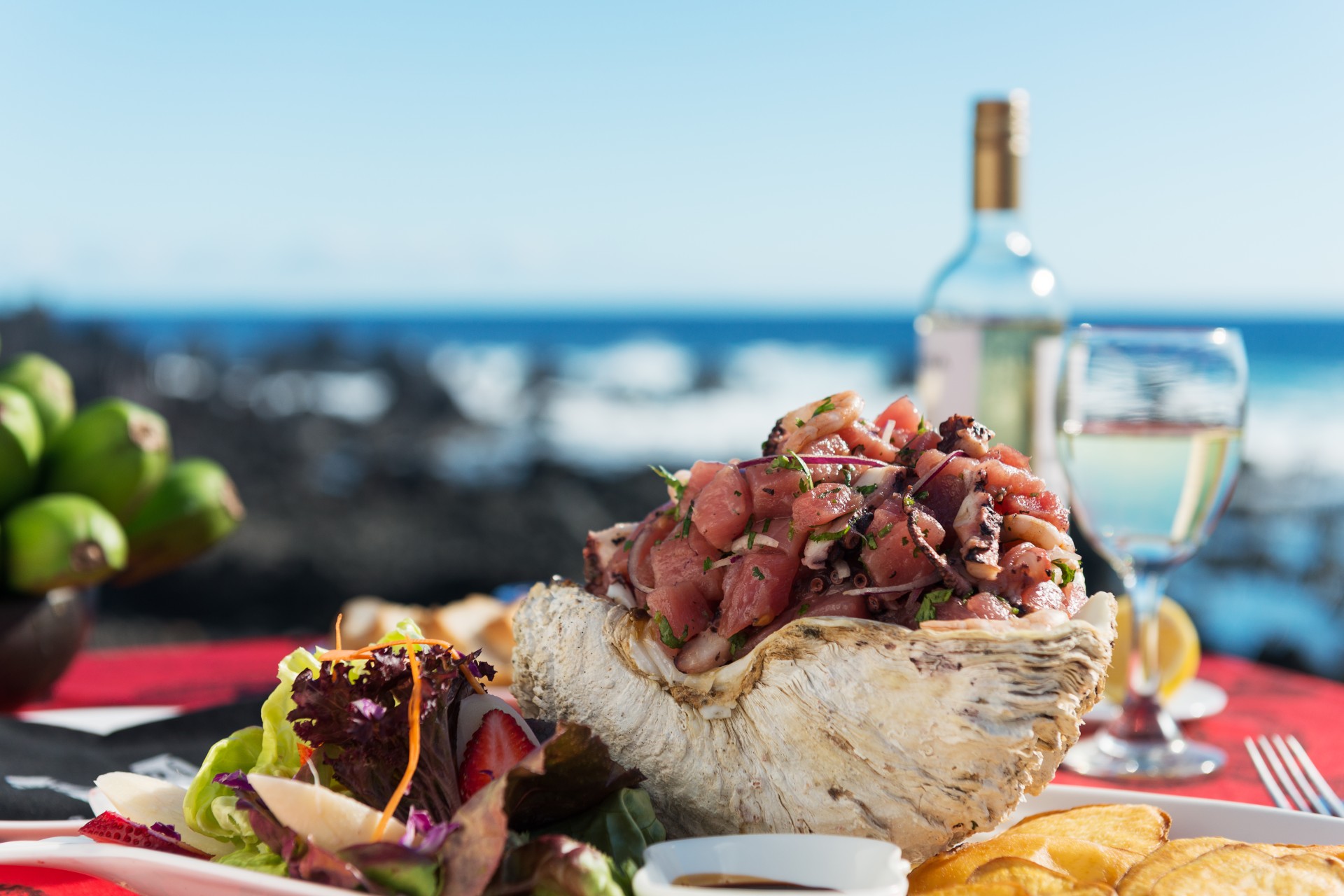
The harbor area is good for watching fishermen, diving, or trying traditional Rapa Nui cuisine. Hanga Roa is the starting point for most tours, and you can easily rent bikes or cars to explore further.
Credit: www.rainforestcruises.com
Non-obvious Insights For Visitors
- Don’t skip the museum: The Museo Antropológico Padre Sebastián Englert in Hanga Roa explains the history and culture of the island. It’s a good way to understand what you’ll see at the sites.
- Respect the rules: Climbing on moai or ahu is strictly forbidden and carries heavy fines. The Rapa Nui see these sites as sacred.
- Plan for wind and weather: Easter Island is windy year-round. Bring a jacket even in summer, and always carry water when hiking.
When To Visit Easter Island
The best time to visit is during the southern summer (December to March). The weather is warm, and the ocean is good for swimming. The Tapati Festival, held in early February, is a colorful celebration of Rapa Nui culture, with music, dance, and traditional sports.
| Month | Weather | Events |
|---|---|---|
| January–March | Warm, less rain | Tapati Festival |
| April–September | Cool, more rain | Fewer tourists |
| October–December | Warming up | Good for hiking |

Credit: www.expedia.com
Frequently Asked Questions
What Is The Best Way To Get Around Easter Island?
Renting a car or scooter gives you the most freedom. Biking is possible, but the roads are hilly and windy. Local tours are also available.
How Many Days Do I Need To See The Main Sites?
Three full days is enough to visit all major sites at a relaxed pace. If you want to hike or dive, add an extra day.
Are There Entrance Fees For The Sites?
Yes, you need a Rapa Nui National Park ticket to enter most archaeological sites. Buy it at the airport or in Hanga Roa.
Can I Touch Or Climb On The Moai?
No. Touching or climbing is forbidden to protect the statues. There are clear signs, and rangers patrol the areas.
Where Can I Learn More About Easter Island’s History?
The island’s museum and a few websites, such as Wikipedia, have lots of information about the history, culture, and theories about the moai.
Easter Island is a place where ancient mysteries meet natural beauty. Whether you come for the moai, the beaches, or the unique culture, you’ll leave with memories that last a lifetime. Plan well, respect the island’s rules, and you’ll discover why Easter Island is one of the world’s most unforgettable travel destinations.
