
The Faroe Islands are a group of 18 volcanic islands in the North Atlantic Ocean. With dramatic cliffs, green valleys, and colorful villages, this destination feels like a secret world. Many travelers visit for the wild landscapes, unique culture, and the quiet, untouched beauty that is hard to find elsewhere. If you want adventure, peace, or a mix of both, the Faroe Islands offer something unforgettable.
Top Tourist Places In Faroe Islands
The most memorable experiences often come from places that are not crowded. Here are the best spots you should not miss.
1. Tórshavn
Tórshavn is the capital and the heart of the islands. Despite being one of the smallest capitals in the world, it has a lively harbor, cozy cafes, and colorful old houses. The grass-roofed buildings in Tinganes (the old town) are over 500 years old.
You can visit the National Museum to learn about local history and see Viking artifacts. For a real taste of island life, try the fresh seafood at a local restaurant. Many visitors are surprised by the mix of old traditions and modern art here.
2. Gásadalur And Múlafossur Waterfall
The village of Gásadalur is famous for its view: a river flows right off a green cliff, creating the stunning Múlafossur Waterfall. The village was once only reachable by foot or boat until a tunnel was built in 2004.
Photographers love this spot, especially in the evening light. But even if you are not a photographer, the walk to the waterfall is easy, and the view is worth the trip.
3. Saksun
Saksun sits in a quiet valley surrounded by mountains. The small Saksun Church and old turf-roofed houses create a magical scene.
A hidden lagoon appears at low tide, and you can walk along the black sand beach. Visitors often miss the tidal timetable—check it before you go, or you might get stuck on the wrong side of the water.
4. Mykines
For bird lovers, Mykines is paradise. This island is home to thousands of puffins and the rare gannet. The hike to the Mykines Lighthouse offers views of sea cliffs and seabird colonies.
Getting to Mykines can be tricky. The ferry is often canceled in bad weather, so plan your trip with some flexibility. The island’s beauty makes the effort worthwhile.
5. Kirkjubøur
Kirkjubøur is the islands’ most important historical site. You’ll find the ruins of Magnus Cathedral (built around 1300), the old Saint Olav’s Church, and the Kirkjubøargarður farmhouse, which has been lived in for 17 generations.
This village is perfect for history lovers. You can walk among ancient stones and see how Faroese people lived centuries ago.
6. Gjógv
Gjógv means “gorge” in Faroese, and the village is named after its natural harbor inside a deep, narrow gorge. The colorful houses and sea views make it one of the most photographed places in the islands.
The area offers gentle hiking trails suitable for families. Few people realize that the local café serves some of the best homemade cakes on the islands.
7. Kalsoy
Kalsoy is known as the “Flute Island” because of its long, thin shape. You can hike to the Kallur Lighthouse for amazing views and see the famous Seal Woman Statue—a legend for locals.
The ferry to Kalsoy allows cars, but the roads are narrow. Many travelers do not expect the steepness of the hikes, so bring good shoes.
8. Sandoy
Sandoy is less visited but offers gentle hills, sandy beaches, and small villages. The pace is slower here, which is perfect if you want to escape crowds. You can see old stone circles and learn about Faroese legends.
Sandoy is also great for cycling. The island has wide open spaces and fewer cars.
9. Vágar
Vágar is where most visitors arrive, as it holds the main airport. But don’t rush away. The famous Leitisvatn (Sørvágsvatn) Lake seems to float above the ocean—a trick of the land’s shape.
A hike to the Trælanípa cliff gives you the best view. It’s a moderate walk, but the winds can be strong. Many tourists do not realize that the best photos are taken from specific points—ask locals for tips.
10. Viðareiði
Viðareiði is the northernmost village, with mountains and sea on every side. From here, you can hike to Villingadalsfjall, one of the highest peaks on the islands.
On clear days, you can see several islands at once. The weather changes quickly, so always check the forecast before hiking.
Comparing Top Destinations
Here’s a quick look at what makes each place special:
| Place | Main Attraction | Best For |
|---|---|---|
| Tórshavn | Old Town, Culture | History & Food Lovers |
| Gásadalur | Múlafossur Waterfall | Photography |
| Mykines | Puffins, Lighthouse | Birdwatchers |
| Saksun | Lagoon, Church | Nature Walks |
| Kirkjubøur | Historic Sites | Culture Seekers |
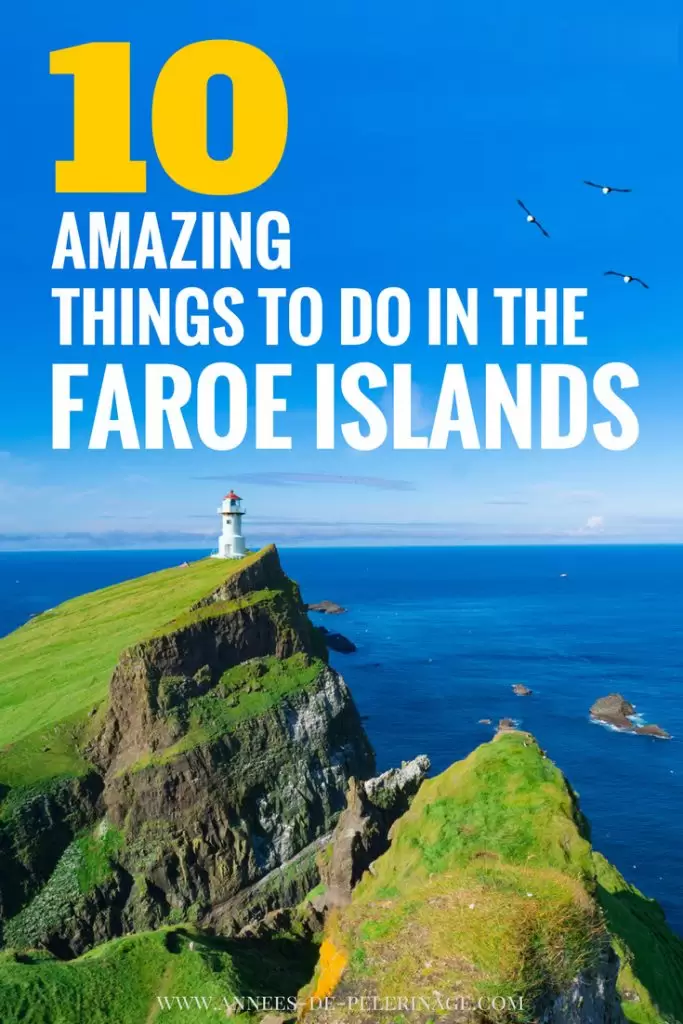
Credit: www.annees-de-pelerinage.com
Getting Around The Faroe Islands
Travel between the islands is easy, but there are some things you should know.
| Transport | Pros | Cons |
|---|---|---|
| Car Rental | Freedom, Access to Remote Areas | Expensive, Narrow Roads |
| Bus | Cheap, Reliable | Limited Schedule |
| Ferry | Island Hopping | Weather Delays |
Practical Tips For Visiting
- Weather is changeable – Always bring waterproof clothing, even in summer.
- Book ferries in advance – Some routes, like to Mykines, fill up fast.
- Respect local nature – Stick to marked paths, and never disturb sheep or birds.
- Cash and cards – Most places accept cards, but small shops may need cash.
- Food options – Try local dishes like ræst kjøt (fermented lamb) if you’re adventurous.
Many travelers are surprised by how friendly and helpful locals are. If you’re lost or need advice, just ask.

Credit: www.quarkexpeditions.com
Frequently Asked Questions
How Many Days Should I Spend In The Faroe Islands?
Most visitors find 4 to 7 days enough to see the highlights. If you want to hike or visit remote islands, add a few extra days.
When Is The Best Time To Visit?
May to September offers the mildest weather and most daylight. Puffins are easiest to spot from late May to mid-August.
Is It Easy To Drive In The Faroe Islands?
Yes, but roads can be narrow and winding. Tunnels connect most islands, but weather can affect driving. Drive slowly and watch for sheep on the road.
Can I Visit All The Main Islands By Public Transport?
You can reach most villages by bus and ferry, but schedules are limited on weekends. Renting a car gives you more freedom.
Do I Need A Visa For The Faroe Islands?
The Faroe Islands have their own visa policy. Check the official Visit Faroe Islands site for details. Most EU and Schengen visitors do not need a separate visa.
The Faroe Islands are a dream for those who love nature, quiet places, and real adventure. With careful planning, you can enjoy the best of this unique destination and take memories that last a lifetime.
