
Fraser Island, known locally as K’gari, is the world’s largest sand island and one of Australia’s most unique travel destinations. With its endless sandy beaches, lush rainforests, and crystal-clear lakes, Fraser Island offers experiences you won’t find anywhere else. Whether you’re seeking adventure or tranquility, the island’s diverse landscapes and attractions are ready to impress. If you’re planning a visit, here are the best tourist places in Fraser Island you shouldn’t miss.
75 Mile Beach
The iconic 75 Mile Beach stretches along the eastern coast and is much more than just a beach. It’s a highway for four-wheel drives, a landing strip for small planes, and home to several highlights:
- The Maheno Shipwreck is a rusted relic from 1935, creating a dramatic photo spot.
- Eli Creek lets you float down a freshwater stream right onto the sand.
- Champagne Pools, north of Indian Head, offer safe swimming in bubbly rock pools.
Driving on 75 Mile Beach is exciting, but beginners often underestimate tide times and soft sand. Always check local advice before heading out.
| Attraction | Distance from Ferry | Best Time to Visit |
|---|---|---|
| Maheno Shipwreck | 35 km | Morning |
| Eli Creek | 36 km | Afternoon |
| Champagne Pools | 77 km | Midday |
Lake Mckenzie
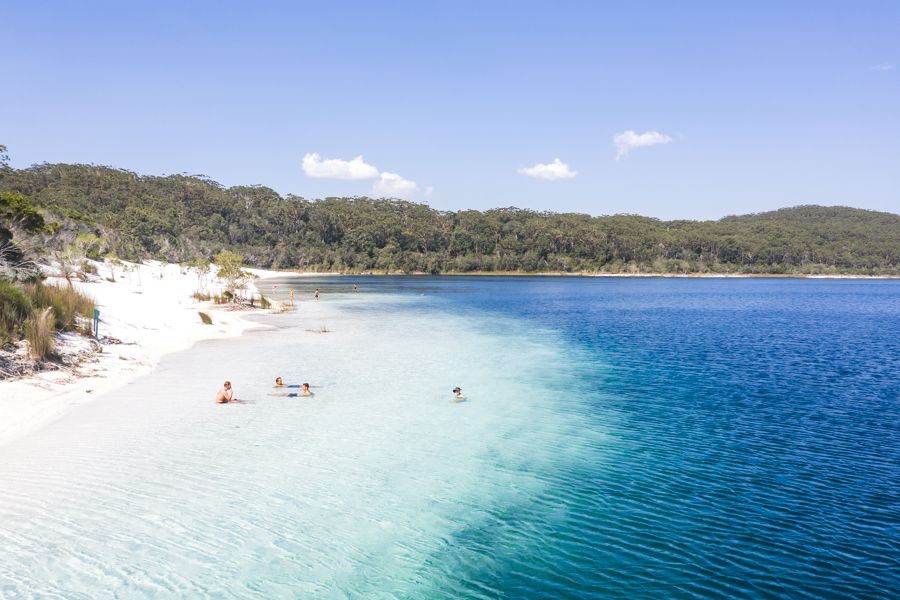
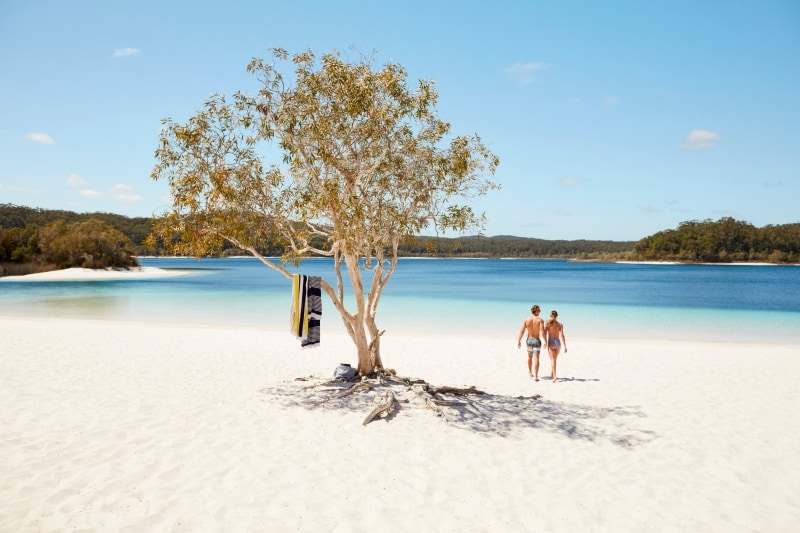
Lake McKenzie is the most famous freshwater lake on Fraser Island. Its bright blue water and pure white sand attract thousands of visitors each year. The lake is perched above the water table, meaning it’s filled only by rainwater and not connected to the sea or any river. Swimming here feels like floating in paradise, but remember:
- No motorized boats are allowed.
- The water is soft and acidic—great for skin but not for drinking.
Most people miss the quieter spots around the lake. Walk a bit further from the main beach for peaceful swimming and stunning views.
Credit: fraser-tours.com
Central Station Rainforest
Once the heart of the island’s logging industry, Central Station is now a peaceful rainforest retreat. Tall satinay trees, lush ferns, and winding boardwalks show a different side of Fraser Island. The Wanggoolba Creek, with its crystal-clear water, runs through the forest. You can spot unusual wildlife like giant king ferns and rare birds.
Don’t rush through Central Station. Take the time to walk the trails and notice the changing plant life. Many visitors skip the educational displays, but they offer valuable insights into the island’s history and ecology.
| Trail Name | Length (km) | Typical Wildlife |
|---|---|---|
| Pile Valley Walk | 3.5 | King Ferns, Satinay Trees |
| Wanggoolba Boardwalk | 1.0 | Birds, Freshwater Fish |
Indian Head
Indian Head is the northernmost point of the island and offers stunning panoramic views. Climb the rocky headland and look out over the ocean—you may spot dolphins, whales, or even sharks in the clear water below. This spot is perfect for sunrise and sunset photos.
While the climb isn’t difficult, wear sturdy shoes and avoid visiting during high tide. Many people forget binoculars, but they make wildlife spotting much easier.

Credit: www.haylsa.com
Lake Wabby
Lake Wabby is a unique green lake surrounded by the massive Hammerstone Sandblow. It’s the only sand-dune lake on the island and is home to several freshwater fish. Swimming here is refreshing, but the walk to the lake is steep and sandy—prepare for a short hike. Lake Wabby is slowly disappearing due to sand movement, so visiting sooner is better.
| Lake | Water Color | Fish Species |
|---|---|---|
| Lake McKenzie | Blue | None |
| Lake Wabby | Green | Multiple |
Cathedrals And Colored Sands
The Cathedrals are striking sand cliffs along the beach, named for their tall, sculpted shapes. Their colors range from red to gold, orange, and brown. This area is perfect for photography, and the cliffs change color as the sun moves. Many tourists drive past without stopping, but the Cathedrals are worth a closer look.
Dundubara And Camping Spots
If you want to stay overnight, Dundubara is a favorite camping area. It’s well-equipped, with toilets, showers, and picnic tables. The site is surrounded by bush and is close to walking trails. Always book ahead, especially during school holidays.
Other popular camping spots:
- Waddy Point – Near Champagne Pools and Indian Head.
- Lake McKenzie campground – Ideal for swimmers.
- Central Station campground – Deep in the rainforest.
Camping gives you time to explore Fraser Island’s beauty at sunrise and sunset, when most day-trippers have left.
Practical Tips For Visiting Fraser Island
- Only 4WD vehicles are allowed on the island. Check your rental terms.
- Bring insect repellent—sandflies and mosquitoes are common.
- Watch for dingoes. They are wild animals, so don’t feed or approach them.
- Cell phone coverage is limited. Plan ahead for emergencies.
Many beginners forget to check tide times. Driving on the beach at the wrong time can strand your vehicle or cause damage.
Credit: www.australia.com
Frequently Asked Questions
Is Fraser Island Safe For Tourists?
Fraser Island is generally safe, but you must be careful. Follow local advice, watch for wildlife, and always drive a 4WD. Swimming in the ocean is risky due to strong currents and sharks. Freshwater lakes are safer.
What Is The Best Time To Visit Fraser Island?
The best time is from May to October. The weather is mild, and there are fewer crowds. Avoid the rainy season, as some roads may flood.
Do I Need A Permit To Visit Fraser Island?
Yes, you need a permit for your vehicle and for camping. Buy these online or at the ferry terminal. Permits help protect the island’s environment.
Can I See Whales At Fraser Island?
Yes, from July to November, you can often spot humpback whales off the coast. Indian Head and Champagne Pools are good viewing spots.
How Do I Get To Fraser Island?
Most visitors take a ferry from Hervey Bay or Rainbow Beach. The journey takes 30–50 minutes. For detailed info, check the official Queensland Parks site.
Fraser Island is a place of natural wonders and unforgettable adventures. From its long beaches to deep rainforests and unique lakes, every corner has something special to offer. With good planning, you can enjoy the highlights and discover lesser-known spots that make your trip even more memorable.
