
Ningaloo Reef is one of Australia’s most spectacular natural treasures. Stretching over 160 miles along the coast of Western Australia, this UNESCO World Heritage site is famous for its vibrant coral, clear turquoise waters, and incredible marine life. Unlike the Great Barrier Reef, Ningaloo is close to the shore, making it easy for visitors to explore and enjoy.
Whether you love snorkeling, wildlife, or simply relaxing on beautiful beaches, Ningaloo offers unforgettable experiences.
Turquoise Bay
Turquoise Bay stands out as one of the most popular spots in Ningaloo Reef. The white sand and shallow blue waters create a perfect setting for swimming and sunbathing. The main highlight is drift snorkeling. Simply enter the water at the southern end and let the current carry you over colorful coral gardens. You’ll see schools of bright fish, turtles, and sometimes even rays. Turquoise Bay is safe for most swimmers, but always check the conditions before entering.
Why It’s Special
- Easy access to the reef right from the beach
- Crystal-clear water and soft sand
- Great for families and beginners
Coral Bay
Coral Bay is a small seaside village, ideal for those who want a relaxed holiday with easy access to Ningaloo’s wonders. The reef is just steps from the shore, and the calm, shallow lagoon is perfect for snorkeling and paddling. Local tour operators offer glass-bottom boat trips, manta ray encounters, and coral viewing tours.
Highlights
- Family-friendly atmosphere
- Year-round snorkeling
- Tours to spot manta rays and turtles
Exmouth And Cape Range National Park
The town of Exmouth is the main gateway to Ningaloo Reef. From here, you can access Cape Range National Park, which offers stunning landscapes, wildlife, and excellent snorkeling spots.
Top Places In Cape Range
- Yardie Creek Gorge – Take a boat cruise or hike along the gorge to see rare black-footed rock wallabies and dramatic cliffs.
- Lakeside – A favorite for snorkelers, with easy entry and plenty of coral and fish close to shore.
- Osprey Bay – Known for peaceful campgrounds and great snorkeling.
| Spot | Main Attraction | Wildlife to See |
|---|---|---|
| Yardie Creek Gorge | Scenic hikes, boat tours | Rock wallabies, birds |
| Lakeside | Snorkeling | Turtles, reef fish |
| Osprey Bay | Camping, snorkeling | Rays, dolphins |
Swimming With Whale Sharks
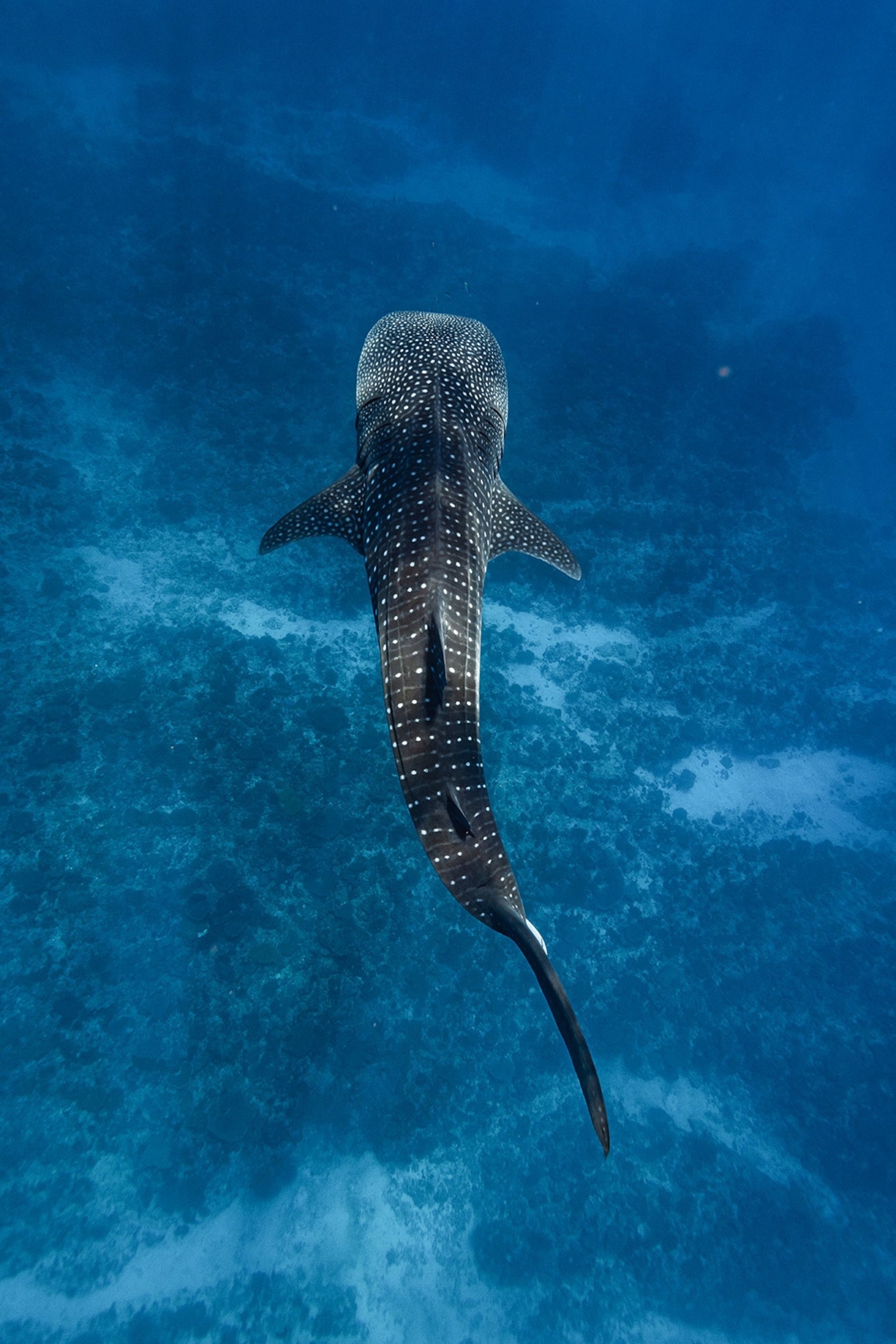
One of Ningaloo’s biggest attractions is the chance to swim with whale sharks. From March to July, these gentle giants visit the reef. Several operators in Exmouth and Coral Bay offer tours with experienced guides. Swimming alongside a whale shark—sometimes up to 40 feet long—is a once-in-a-lifetime experience. Most tours include snorkeling gear, photos, and safety briefings.
Practical Tips
- Book tours in advance, especially during peak season.
- Whale sharks are wild animals; sightings are likely but not guaranteed.
- Many tours also spot humpback whales from July to October.

Credit: www.jetpacglobal.com
Snorkeling And Diving Hotspots
Ningaloo is a paradise for snorkelers and divers. Some top spots include:
- Oyster Stacks – Best at high tide. The coral is close to shore, so you’ll see plenty of fish and sometimes octopus.
- The Navy Pier – Known as one of Australia’s best shore dives, but you need a permit and must go with a licensed guide.
- Bundegi Reef – Near Exmouth, perfect for beginners and families.
| Location | Snorkeling Level | Marine Life |
|---|---|---|
| Oyster Stacks | Intermediate | Parrotfish, octopus |
| The Navy Pier | Advanced diving | Moray eels, reef sharks |
| Bundegi Reef | Beginner | Small reef fish |
Unique Wildlife Experiences
Ningaloo isn’t just about the reef. The area is home to unique wildlife both above and below the water.
- Turtle nesting occurs from November to March, mainly on remote beaches. Watching hatchlings crawl to the sea is an unforgettable sight, but always follow local guidelines to protect them.
- Dugongs sometimes appear in the calm lagoons, though they are shy and rare.
- Birdwatchers will enjoy spotting emus, ospreys, and sea eagles in Cape Range National Park.
Many travelers miss out on the inland beauty of Cape Range. Don’t skip walks like Mandu Mandu Gorge, where you’ll see wildflowers and canyons.

Credit: calicase.com
Practical Travel Tips
Visiting Ningaloo Reef is easier with some planning. Exmouth and Coral Bay are the main hubs, but distances can be long, and public transport is limited.
- Best time to visit: March to October for dry weather and wildlife activity.
- How to get there: Fly into Learmonth Airport, then drive to Exmouth (about 22 miles away).
- Where to stay: Options range from campgrounds to eco-resorts. Book early during school holidays.
| Month | Temperature (°F) | Wildlife Events |
|---|---|---|
| March–July | 75–85 | Whale sharks |
| July–October | 70–80 | Humpback whales |
| November–March | 80–95 | Turtle nesting |
Two common mistakes are underestimating the sun (bring strong sunscreen and a hat) and not checking tides for the best snorkeling. Also, don’t touch or stand on the coral—this harms the fragile ecosystem.
Frequently Asked Questions
What Is The Best Time To Visit Ningaloo Reef?
The best time is from March to October. This period offers mild weather, whale shark swims, and good snorkeling conditions.
Can I See Whale Sharks Without Diving Experience?
Yes. Most tours are for snorkelers, so you don’t need to be a diver. Guides provide all equipment and safety instructions.
Are There Dangerous Animals At Ningaloo Reef?
The reef is generally safe. You may see harmless reef sharks, rays, and jellyfish. Always follow safety advice and avoid touching marine life.
How Do I Get To Ningaloo Reef?
Fly to Learmonth Airport near Exmouth, then drive to the coast. Car rentals are recommended as public transport is limited.
Where Can I Find More Information?
Visit the official Western Australia Parks and Wildlife Service for up-to-date details on Ningaloo Reef.
Ningaloo Reef is a destination that truly rewards exploration. With easy access to world-class snorkeling, unique wildlife encounters, and breathtaking landscapes, it’s a must-see for anyone visiting Western Australia. Plan ahead, respect the environment, and you’ll have memories to last a lifetime.
Credit: www.nationalgeographic.com
