
Petra in southern Jordan is one of the world’s most famous archaeological sites. Known as the “Rose City” because of its pink sandstone cliffs, Petra attracts thousands of visitors every year. Its ancient tombs, temples, and dramatic landscapes make it a top destination for travelers who love history, adventure, and unique scenery. If you’re planning a trip, here are the best tourist places in Petra you shouldn’t miss.
The Treasury (al-khazneh)
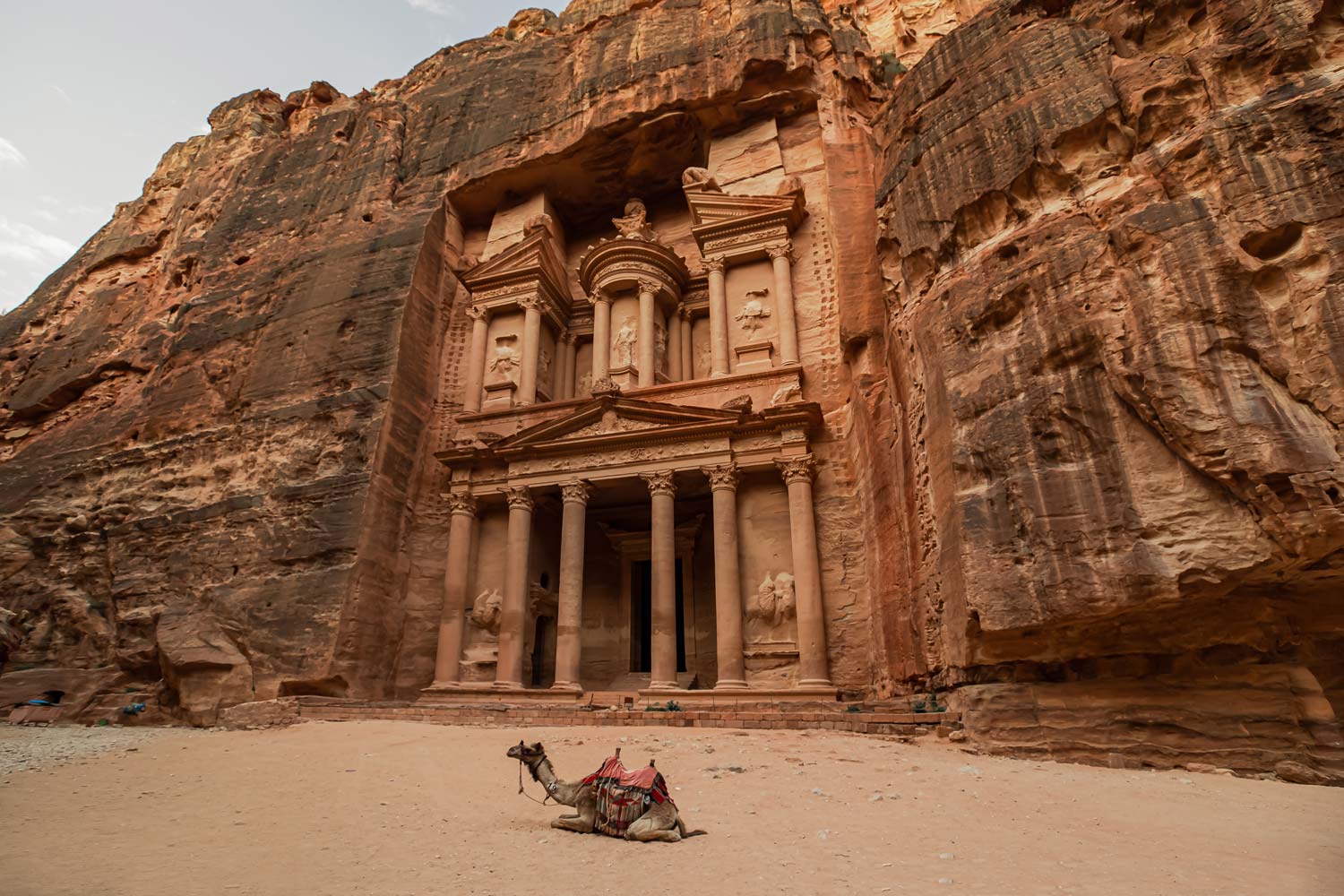
The Treasury is Petra’s most iconic monument. Carved into a massive sandstone cliff, its elaborate façade stands over 130 feet tall. Many visitors are amazed by the details: columns, statues, and intricate designs. It’s believed to have been built in the 1st century AD as a royal tomb. You’ll see the Treasury first after walking through the narrow Siq. At sunrise or sunset, the pink stone glows beautifully.
Key Facts
- Height: 131 feet (40 meters)
- Built: 1st century AD
- Function: Likely a royal tomb, later used as a temple
The Siq
The Siq is a dramatic, winding gorge that leads to Petra’s heart. It’s nearly a mile long, with walls reaching up to 80 feet high. Walking through the Siq is an adventure in itself. You’ll see ancient water channels carved by the Nabataeans, and sometimes remnants of old statues. The play of sunlight and shadow creates a magical atmosphere.
Features
- Length: 0.8 miles (1.3 kilometers)
- Width: 10–40 feet (3–12 meters)
- Highlights: Sandstone colors, rock formations, ancient carvings
Credit: www.bookmundi.com
The Monastery (ad-deir)
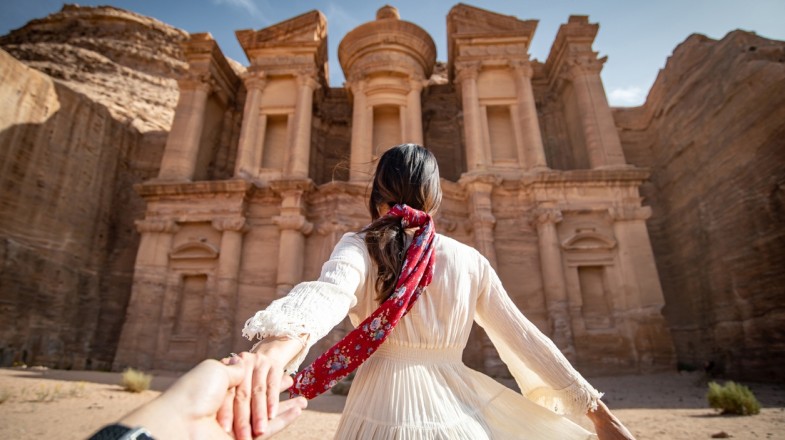
The Monastery is one of Petra’s largest monuments. The hike up to the Monastery is a challenge—about 800 stone steps—but the reward is worth it. The building is even bigger than the Treasury, with a wide open plaza in front. Most visitors spend time here relaxing and enjoying the views of surrounding hills. Unlike the Treasury, the Monastery is quieter and less crowded.
Visitor Comparison
| Monument | Average Daily Visitors | Accessibility |
|---|---|---|
| The Treasury | 3,000 | Easy (via Siq) |
| The Monastery | 1,200 | Challenging (800 steps) |
Royal Tombs
Petra’s Royal Tombs line the eastern cliff and showcase Nabataean architecture. The most famous are the Urn Tomb, Silk Tomb, Corinthian Tomb, and Palace Tomb. Each tomb has its own style. The Urn Tomb features a large terrace; the Silk Tomb has colorful stone layers. Many visitors spend time photographing these tombs, which are less crowded but equally impressive.
Architectural Differences
| Tomb | Distinct Feature | Suggested Visit Time |
|---|---|---|
| Urn Tomb | Terrace & urn carving | Morning |
| Silk Tomb | Vibrant sandstone colors | Afternoon |
| Corinthian Tomb | Columns & detailed façade | Evening |
| Palace Tomb | Multiple stories | Anytime |
Petra Church
The Petra Church is a Byzantine-era site with beautiful mosaic floors. Archaeologists discovered it in the 1990s. The mosaics show animals, plants, and Greek inscriptions. If you enjoy history, the church offers a glimpse into Petra’s Christian period. It’s a quieter spot, perfect for those who want to explore beyond the main monuments.
The Great Temple
Petra’s Great Temple is one of the largest structures in the city. Built by the Nabataeans, it covers over 20,000 square feet. Visitors can see columns, staircases, and courtyards. It was likely used for religious ceremonies and community gatherings. Unlike other sites, the Great Temple lets you walk among ruins and imagine Petra’s ancient life.

Credit: girdermusic.com
Street Of Facades
The Street of Facades is a row of tombs carved into the cliffs. These tombs have less decoration than the Royal Tombs but show how ordinary citizens were buried. The street is located near the entrance, so it’s easy to find. Walking this street gives you a sense of Petra’s scale and everyday life.
High Place Of Sacrifice
The High Place of Sacrifice is a mountaintop altar used for rituals. The climb is steep but not too long—about 30–40 minutes. From the top, you get panoramic views of Petra and the surrounding valleys. You’ll also see ancient steps, cisterns, and altars. Few visitors realize the site was used for both religious and social events.
Elevation Data
| Site | Elevation (feet) | Views |
|---|---|---|
| High Place of Sacrifice | 3,500 | Petra & valleys |
| Monastery | 3,300 | Hills & mountains |
Little Petra (siq Al-barid)
Little Petra is a smaller site about 5 miles from the main city. It was used as a suburb for traders and travelers. The site has carved houses, storage rooms, and painted ceilings. Little Petra is quieter, with fewer tourists. Many visitors miss this site, but it’s perfect for those who want a peaceful experience and more local culture.
Tips For Visiting Petra
To enjoy Petra fully, arrive early to avoid crowds and heat. Bring water, wear comfortable shoes, and plan your route. Many travelers underestimate Petra’s size—walking can take hours. Hiring a local guide gives you deeper history and access to hidden spots.
Consider spending two days if you want to see everything, including Little Petra.
Credit: kelseyinlondon.com
Non-obvious Insights
- Night tours are available at the Treasury, with candlelight and Bedouin music. Most tourists don’t know about this unique experience.
- The Petra Archaeological Park covers over 100 square miles. It’s much bigger than most people expect, so plan ahead.
Frequently Asked Questions
Is The Treasury Open At Night?
Yes, you can visit the Treasury during the Petra by Night event, which happens three times a week. The monument is lit by candles, creating a magical atmosphere.
How Long Does It Take To See Petra?
Most visitors spend 6–8 hours exploring the main sites. If you want to see all highlights, including the Monastery and Little Petra, plan for two days.
Can I Hire A Guide In Petra?
Local guides are available at the entrance. They speak English and Arabic. Guides can help you understand Petra’s history and avoid missing hidden sites.
What Is The Best Time To Visit Petra?
The best months are March to May and September to November. The weather is mild, and the site is less crowded. Summer can be very hot, and winter nights are cold.
Are There Restaurants Inside Petra?
There are a few cafes and snack stands inside Petra. Most visitors eat at restaurants in nearby Wadi Musa. For official info, visit the Wikipedia page on Petra.
Petra is a place where history and nature meet. With careful planning, you can explore its famous monuments, hidden corners, and stunning landscapes. Each site offers a different story, making your visit unforgettable.
