
Samarkand is one of the world’s oldest cities, famous for its impressive monuments and vibrant culture. Located in Uzbekistan, Samarkand was a key stop on the ancient Silk Road, where traders, scholars, and travelers met for centuries. Today, it attracts visitors with its stunning Islamic architecture, colorful markets, and rich history.
If you are planning a trip, exploring the best tourist places in Samarkand will help you experience its magic.
Registan Square
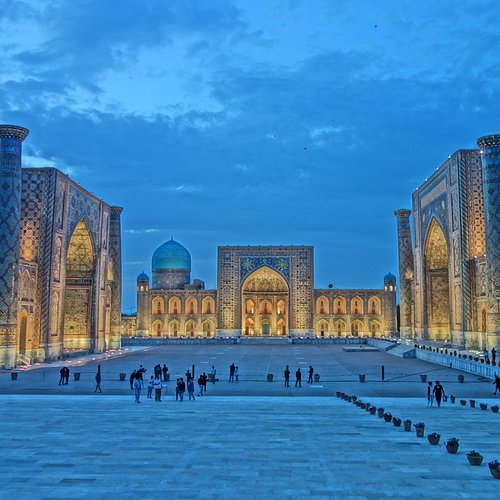
Registan Square is the heart of Samarkand and one of Central Asia’s most iconic sights. This public square is surrounded by three grand madrassahs: Ulugh Beg Madrassah, Sher-Dor Madrassah, and Tilya-Kori Madrassah. Their blue-tiled facades, towering minarets, and detailed mosaics make Registan a must-see.
The square often hosts cultural festivals and light shows at night, creating a magical atmosphere. Many visitors are surprised by the sheer scale and harmony of the buildings. Climb the minaret of Ulugh Beg Madrassah for panoramic city views—something many tourists miss.
| Madrassah | Year Built | Main Feature |
|---|---|---|
| Ulugh Beg | 1417–1420 | Oldest, astronomical motifs |
| Sher-Dor | 1619–1636 | Tigers (sher) on facade |
| Tilya-Kori | 1646–1660 | Golden mosque interior |
Gur-e-amir Mausoleum
The Gur-e-Amir Mausoleum is the final resting place of Amir Timur (Tamerlane), the famous conqueror. Built in the 15th century, it features a turquoise dome and intricate tilework. Inside, you will find the simple black tombstone of Timur, along with the graves of his sons and grandsons.
Despite its beauty, many visitors overlook the smaller details, such as the acoustics of the main chamber, which were designed to amplify recitations. If you visit early in the morning or late in the evening, you can often enjoy the site in peace.

Credit: www.thediaryofanomad.com
Shah-i-zinda Necropolis
Shah-i-Zinda means “The Living King” and is a stunning avenue of mausoleums. This burial complex stretches along a narrow path, with over twenty decorated tombs. The site feels almost like a hidden city of the dead, filled with blue and turquoise tiles.
Some mausoleums belong to Timur’s relatives, while others are for religious leaders. Each structure has unique decorations, so take your time to notice the differences. Early morning light creates spectacular colors on the tiles—photographers will love this spot.
| Feature | Description |
|---|---|
| Number of Tombs | Over 20 |
| Main Era | 14th–15th centuries |
| Best Time to Visit | Morning |
Bibi-khanym Mosque
Once one of the largest mosques in the Islamic world, the Bibi-Khanym Mosque was built in the 14th century by Timur to honor his wife. The massive entrance, giant marble Quran stand, and tall minarets make it unforgettable.
The mosque suffered damage over the years, but restoration efforts have brought back much of its former glory. When visiting, don’t miss the side galleries, which offer quieter corners and unique views of the main dome. Many tourists only explore the courtyard, but the real beauty is in the details.
Siab Bazaar
No visit to Samarkand is complete without experiencing the Siab Bazaar. This lively market sits near the Bibi-Khanym Mosque and offers everything from fresh fruits and nuts to spices and traditional bread.
The market is a great place to taste samsa (meat pastries) and non (Uzbek bread). Remember to bargain politely with vendors; it’s part of the experience. If you arrive early, you’ll see locals shopping for their daily needs, giving you a real feel for Samarkand life.
Ulugh Beg Observatory
Samarkand was once a center of science, and the Ulugh Beg Observatory proves it. Built in the 15th century by Timur’s grandson, Ulugh Beg, it was one of the world’s most advanced observatories.
You can see parts of the giant sextant used to measure stars and visit a small museum about astronomy in the region. Many visitors don’t realize that Ulugh Beg himself was a great scientist—he calculated the length of a year with incredible accuracy for his time.
| Feature | Details |
|---|---|
| Founder | Ulugh Beg |
| Main Instrument | 82-meter sextant |
| Year Built | 1420s |
Credit: www.tripadvisor.com
Samarkand’s Old Jewish Quarter
Few tourists explore the Old Jewish Quarter, but it offers another side of Samarkand’s history. Stroll through quiet lanes lined with clay houses and visit the old synagogue, which is still active today.
This area reflects the city’s multicultural past, where different communities lived side by side. It’s a peaceful place to walk, away from the crowds, and provides unique photo opportunities.
Practical Tips For Visiting Samarkand
- Best time to visit: Spring (April–May) and autumn (September–October) offer mild weather and fewer tourists.
- Dress modestly at religious sites—cover your shoulders and knees.
- Bring cash—many places don’t accept cards.
- Try to learn a few Uzbek or Russian words. Locals appreciate the effort.
- Local taxis rarely use meters—agree on a price before you ride.

Credit: kalpak-travel.com
Frequently Asked Questions
What Is The Best Time Of Year To Visit Samarkand?
The best time to visit Samarkand is in spring (April–May) or autumn (September–October). The weather is comfortable, and the city’s gardens are full of flowers. Summer can be very hot, while winter is cold and less lively.
How Many Days Should I Spend In Samarkand?
Most travelers find that two to three days is enough to see the main attractions at a relaxed pace. If you enjoy history or photography, you might want to stay longer to explore hidden corners and markets.
Is Samarkand Safe For Tourists?
Samarkand is generally considered safe for tourists. Violent crime is rare, but you should take normal precautions, such as watching your belongings in crowded places like the bazaar.
Can I Visit Samarkand’s Tourist Sites Independently?
Yes, most sites are easy to visit on your own. Signs are often in Uzbek, Russian, and English. However, hiring a local guide can help you understand the history and spot details you might miss.
Where Can I Find More Information About Samarkand’s History?
For deeper research, visit museums in Samarkand or check reliable sources like the Wikipedia page on Samarkand. Many books and documentaries also explore the city’s long and complex story.
Samarkand is a place where history and daily life mix in unforgettable ways. Whether you are drawn by the beauty of Registan, the stories of Timur, or the smells of the bazaar, the city will leave a strong impression. With a little planning and curiosity, you can discover the best of Samarkand and create memories that last a lifetime.
