Nestled between the Alps and the Adriatic Sea, Slovenia is a small country that surprises travelers with its natural beauty, lively cities, and charming villages. Despite its modest size, Slovenia offers a wide variety of attractions: lakes, mountains, caves, and a vibrant capital. Whether you love outdoor adventures or prefer historical sights, Slovenia is a destination that delivers memorable experiences. Here is a guide to the best tourist places in Slovenia, with practical information and local insights to make your visit even better.
Lake Bled
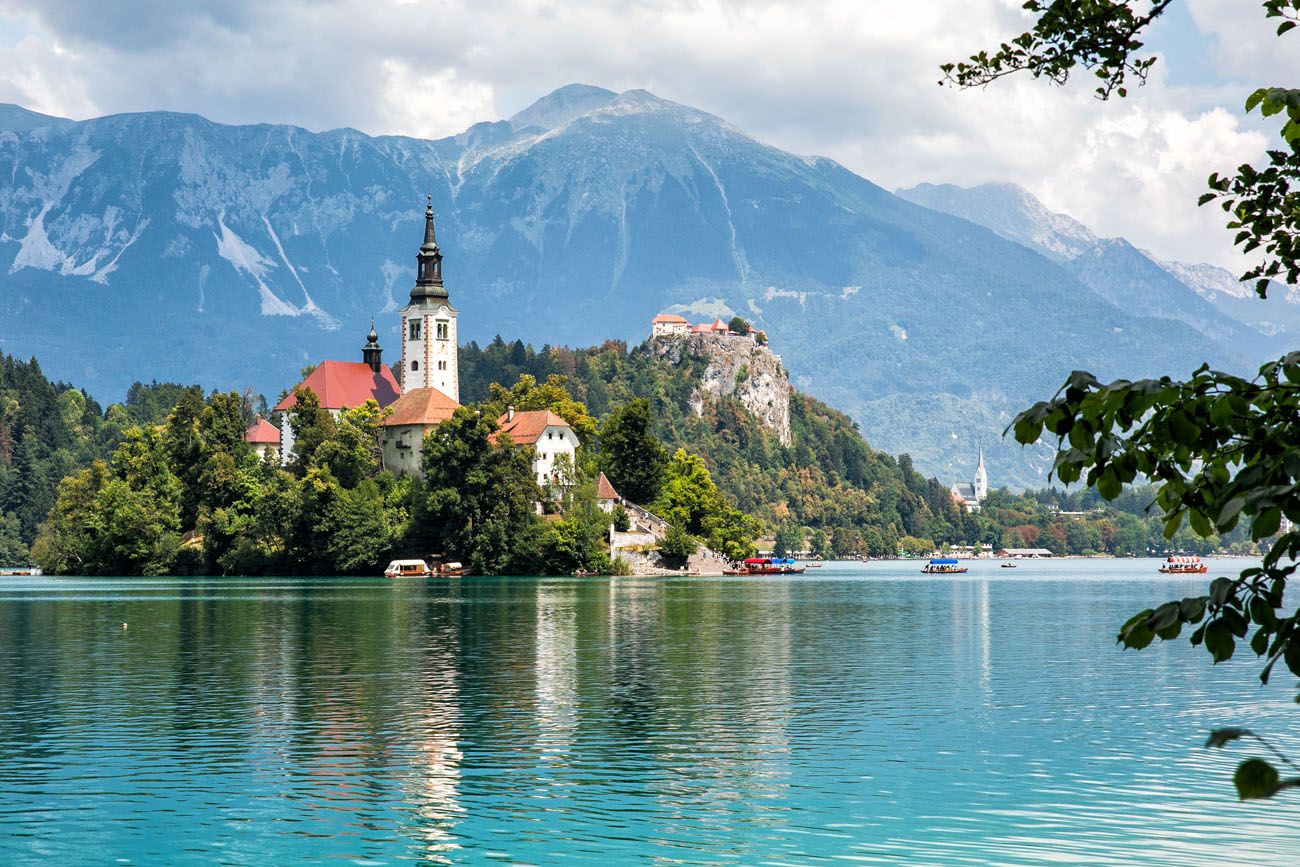
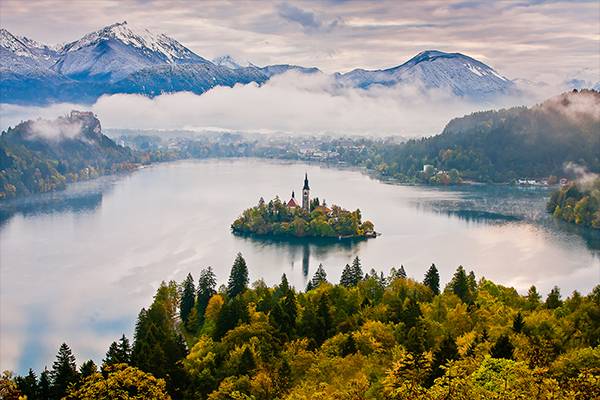
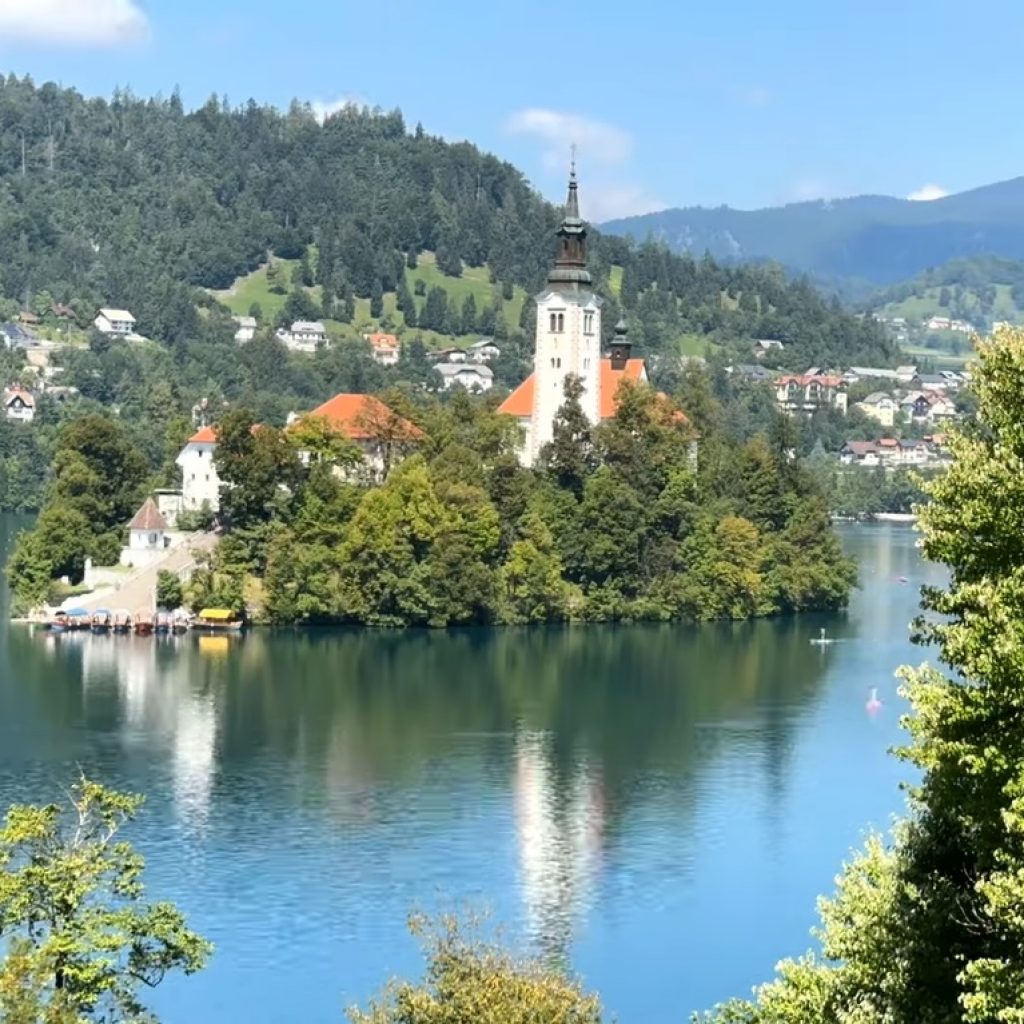
Few places in Europe are as enchanting as Lake Bled. The emerald-green lake, with a tiny island in the center, is surrounded by mountains and forests. The Bled Castle sits on a steep cliff above the water, offering some of the best panoramic views in Slovenia.
A popular activity is rowing to the small Bled Island by traditional wooden boat, called a “pletna.” On the island, you can ring the wishing bell in the historic church. Don’t miss tasting the famous Bled cream cake at one of the lakeside cafes.
| Activity | Average Cost (EUR) | Time Needed |
|---|---|---|
| Pletna Boat Ride | 15–20 | 1 hour |
| Castle Entry | 13 | 1–2 hours |
| Cream Cake | 4–5 | 30 min |
A non-obvious tip: Visit early in the morning to enjoy the calm atmosphere and fewer crowds.
Ljubljana
The capital city, Ljubljana, feels both modern and old-world at the same time. The city center is mostly car-free, making it perfect for walking. Along the Ljubljanica River, you’ll find colorful buildings, lively cafes, and street performers.
The Ljubljana Castle overlooks the city and can be reached by a funicular railway. The market, designed by Jože Plečnik, and the famous Triple Bridge are must-see sights. For art lovers, the Metelkova district offers a unique collection of street art and alternative culture.
Ljubljana’s green spaces, especially Tivoli Park, are ideal for a relaxing afternoon. Many visitors miss the dragon statues—the symbol of the city—scattered around bridges and buildings.
Credit: www.earthtrekkers.com
Triglav National Park And The Julian Alps
If you love nature and hiking, Triglav National Park is Slovenia’s crown jewel. Covering nearly 4% of the country, the park is home to the Julian Alps and Mount Triglav, Slovenia’s highest peak at 2,864 meters.
Popular spots include the Vintgar Gorge (with a wooden walkway along turquoise water), Lake Bohinj (quieter than Bled), and the Savica Waterfall. In winter, the area transforms into a ski destination. Summer is best for hiking, cycling, and paragliding.
| Location | Popular Season | Main Activities |
|---|---|---|
| Lake Bohinj | June–September | Swimming, kayaking |
| Vintgar Gorge | April–October | Hiking, photography |
| Triglav Peak | July–September | Climbing, trekking |
One thing many tourists miss: Slovenian mountain huts (“koča”) offer simple meals and overnight stays, adding to the adventure.
Postojna Cave And Predjama Castle
Slovenia is famous for its karst caves, and Postojna Cave is the most visited. With over 24 km of passages, this underground world is explored by a small train and on foot. You’ll see dramatic stalactites and the rare proteus, a blind cave salamander.
Nearby, Predjama Castle is built directly into a cliff. This Renaissance castle tells stories of knights and legends, and offers dramatic views. Combining both sights makes for an unforgettable day trip.
| Attraction | Distance from Ljubljana (km) | Recommended Time |
|---|---|---|
| Postojna Cave | 53 | 2 hours |
| Predjama Castle | 57 | 1.5 hours |
A practical note: Tickets often sell out in peak season, so book ahead online.
Credit: www.slovenia.info
Piran
On the short but beautiful Slovenian coast, Piran stands out for its Venetian architecture and romantic vibe. The old town is a maze of narrow streets leading to Tartini Square, named after the composer Giuseppe Tartini.
Climb the old city walls for sweeping views of the Adriatic Sea. In the evenings, the waterfront restaurants serve fresh seafood. Compared to other Mediterranean towns, Piran is less crowded and feels more authentic.
A tip for photographers: Sunset from the city walls is one of Slovenia’s best.
Škocjan Caves
A UNESCO World Heritage site, the Škocjan Caves are less crowded than Postojna but equally impressive. The underground river canyon is one of the largest in the world. Walking tours take you through giant chambers and over high bridges.
Because the caves are protected, photography is limited—so focus on the experience, not just pictures.
For more about Slovenia’s caves and nature, visit the Wikipedia page on Slovenia.
Credit: europetravelbureau.com
Frequently Asked Questions
What Is The Best Time To Visit Slovenia?
The best time is late spring (May–June) and early autumn (September). The weather is pleasant, and there are fewer tourists. Summer is also popular, but some places can get crowded.
Do People Speak English In Slovenia?
Yes, English is widely spoken in tourist areas, hotels, and restaurants. Young people and staff in the service industry are usually fluent.
Is Slovenia An Expensive Country To Visit?
Slovenia is cheaper than Western Europe but more expensive than some Balkan countries. Expect to pay about €10–20 for a meal at a mid-range restaurant and €50–100 for a night in a 3-star hotel.
How Do I Get Around Slovenia?
Slovenia has a good bus and train network connecting major cities and towns. Renting a car gives more freedom, especially for visiting natural parks and rural areas.
Are There Any Travel Tips For First-time Visitors?
Bring comfortable walking shoes for exploring towns and parks. Try local dishes like jota (bean and sauerkraut stew) and potica (nut roll). Carry some cash, as small shops may not accept cards.
Slovenia’s tourist places combine history, culture, and nature in a way few countries can match. With its friendly atmosphere and manageable size, it’s easy to see why more people are discovering this European gem each year.
