
Tartu is the cultural heart of Estonia and a city full of surprises. While Tallinn often gets the spotlight, Tartu rewards those who explore its streets with a blend of history, innovation, and creative spirit. Whether you are a first-time visitor or returning, you’ll find that Tartu’s tourist attractions offer something for every type of traveler.
From ancient ruins to modern science centers, Tartu delivers unique experiences that are easy to enjoy in a few days. Let’s dive into the best places to visit in this lively Estonian city.
Tartu Old Town
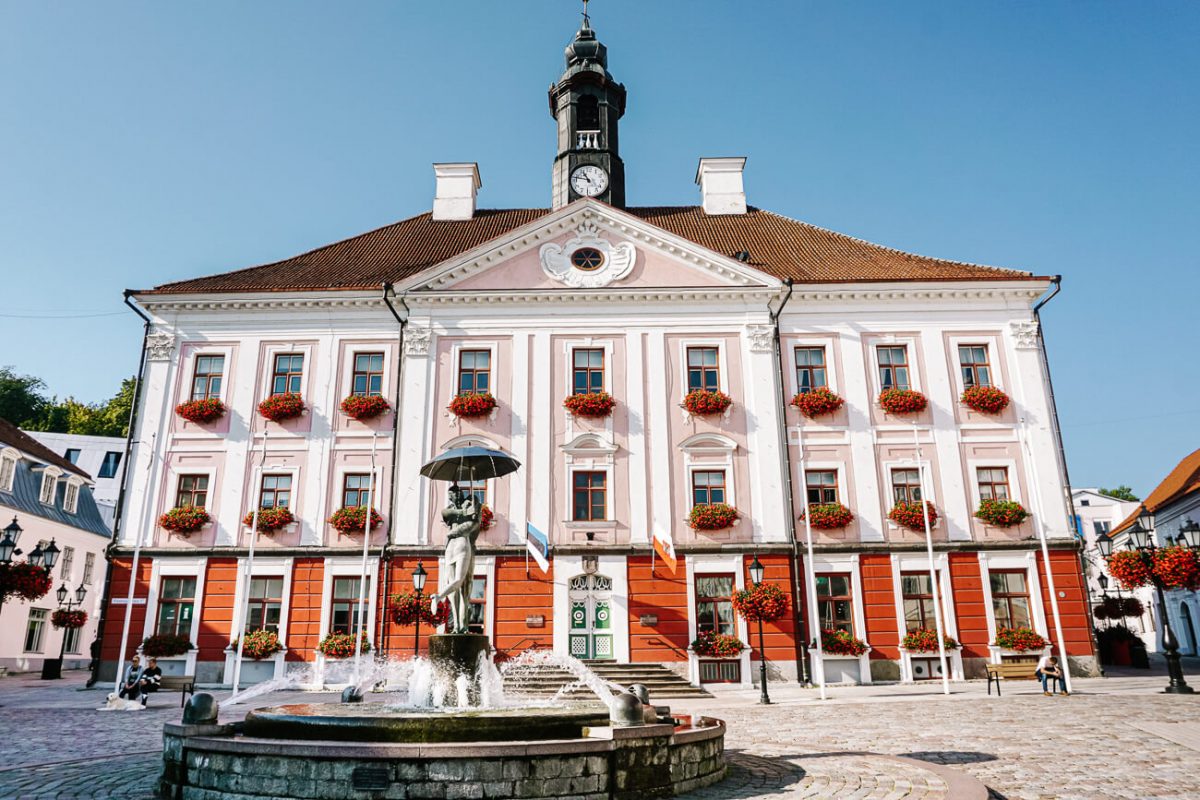
Walking through Tartu Old Town feels like stepping into a living museum. The cobbled streets, colorful facades, and well-preserved buildings create a cozy atmosphere. At the heart is the Town Hall Square (Raekoja plats), where locals and tourists gather for events or coffee breaks. Nearby, you’ll find the famous Kissing Students Fountain, a favorite photo spot.
Many cafes and boutique shops line the square. Don’t miss the charming alleyways leading to small parks and viewpoints over the Emajõgi River. Compared to Tallinn’s old town, Tartu’s is less crowded and more relaxed, making it perfect for slow exploration.
University Of Tartu
The University of Tartu is Estonia’s oldest and most respected university, founded in 1632. Its main building is a stunning example of neoclassical architecture and often appears on postcards. Inside, you can visit the University Museum and see historic lecture halls.
A unique highlight is the Lock-Up Room, where misbehaving students were once kept as punishment. The university’s influence is felt throughout the city, giving Tartu a youthful, energetic vibe. Its botanical garden, established in 1803, is open to the public and features over 6,000 plant species.
Here’s a quick comparison of main university attractions:
| Attraction | Highlight | Admission |
|---|---|---|
| Main Building | Historic architecture | Free (outside) |
| University Museum | History exhibits | Paid |
| Botanical Garden | 6,000+ plants | Free/Small fee |
Tartu Cathedral And Toome Hill
Rising above the city, Toome Hill is a peaceful park with winding paths, statues, and city views. At its peak stands the Tartu Cathedral, a red-brick Gothic ruin dating back to the 13th century. The cathedral is partially restored and now houses the University of Tartu Museum.
Climb the cathedral’s towers for a panoramic look over Tartu. Toome Hill is also home to the Angel’s Bridge and Devil’s Bridge, each with their own stories. Locals say crossing the Devil’s Bridge without holding your breath brings bad luck—a fun tradition to try!
Estonian National Museum
The Estonian National Museum (ERM) is one of the country’s most modern attractions. The building itself is impressive, stretching over 350 meters on a former airfield. Inside, you’ll find interactive exhibits about Estonia’s history, culture, and language.
The museum’s displays are both high-tech and accessible. Even if you’re not a history lover, you’ll enjoy the hands-on activities and multimedia installations. The ERM is located slightly outside the city center, but buses and taxis make it easy to reach.
Here’s a comparison of museum features:
| Feature | ERM | Other Museums |
|---|---|---|
| Size | Largest in Estonia | Smaller scale |
| Technology | Interactive exhibits | Mainly static |
| Topics | Culture, language, history | Focused themes |

Credit: www.youtube.com
Ahhaa Science Centre
For families or anyone who loves hands-on learning, the AHHAA Science Centre is a must-visit. As the largest science center in the Baltics, it offers over 250 exhibits. You can experience everything from a planetarium show to a glass-floor walk above a dizzying drop.
A favorite exhibit is the live science theater, where experiments are performed right before your eyes. The center is designed to make science fun, especially for kids, but adults often find themselves just as entertained.
Tartu Toy Museum
Tucked away in the Old Town, the Tartu Toy Museum is a nostalgic and heartwarming stop. It features thousands of toys from different eras and countries, including dolls, board games, and model trains. Special playrooms let children try classic toys, while adults can revisit their childhood memories.
This museum also hosts creative workshops for families. It’s a quieter alternative to the city’s bigger museums, and a great option on a rainy day.

Credit: www.tripadvisor.com
Emajõgi River And River Cruises
The Emajõgi River flows through the heart of Tartu. Walking along its banks is popular with both locals and visitors, especially in the summer. Several pedestrian bridges offer picture-perfect views.
From spring to autumn, you can take a river cruise. These boat rides give you a different perspective on the city and its green surroundings. Some tours include dinner or live music, making for a memorable evening.
A quick look at cruise options:
| Type | Duration | Features |
|---|---|---|
| Standard | 1 hour | Guided tour |
| Dinner | 2 hours | Meal included |
| Private | Flexible | Customizable route |
Soup Town (supilinn)
For something different, visit Soup Town (Supilinn). This quirky neighborhood is famous for its wooden houses and streets named after vegetables, like Pea Street and Potato Street. Street art and colorful murals add to the creative vibe.
It’s a favorite among artists and students. Walking here gives you a taste of local life outside the main tourist spots. Small cafes offer homemade Estonian food, and you’ll often see neighbors chatting in their gardens.
Non-obvious Insights For Visiting Tartu
- Many museums and attractions offer student discounts—bring your ID, even if you’re not from Estonia.
- Tartu’s main events, like the Student Spring Days festival, transform the city with concerts, parades, and unique traditions, such as bathtub racing on the river.
- Some top sights, like Toome Hill, are open 24/7 and cost nothing, making them great for budget travelers.
- English is widely spoken, but some smaller attractions may have limited translations—using a translation app can help.
Tartu is a city that welcomes you with open arms. Its mix of old and new, peaceful parks, and lively student culture make it a special place to explore. Whether you spend a weekend or a week, the memories you make in Tartu will last long after you leave.
Frequently Asked Questions
What Is The Best Time To Visit Tartu?
Spring and summer (May to September) are best. The weather is warm, and many outdoor events take place during these months.
How Many Days Should I Spend In Tartu?
Two to three days are enough to see the main attractions. If you want to explore at a slower pace or attend a festival, consider staying longer.
Is Tartu Walkable For Tourists?
Yes. Most sights are within walking distance, especially in the city center. Biking is also popular and easy to arrange.
Are There Good Day Trips From Tartu?
Yes. The Lake Peipus area and the Onion Route villages offer beautiful nature and local culture. These are accessible by car or organized tours.
Where Can I Find More Information About Tartu?
Visit the official Visit Tartu website for up-to-date details on events, attractions, and maps.
Credit: www.passporttheworld.com
