
Tulum is a place that feels both ancient and new. Set along Mexico’s Riviera Maya, it mixes Mayan ruins, turquoise waters, and a relaxed, bohemian vibe. Travelers come for its history, nature, and unique energy. If you want to see the best of this beach town, knowing where to go makes all the difference. Here’s a practical guide to the best tourist places in Tulum, with tips to help you make the most of your trip.
Tulum Archaeological Zone
The Tulum Ruins are the town’s most iconic site. Sitting on a cliff above the Caribbean, these Mayan remains date back to the 13th century. The main structure, El Castillo, offers stunning sea views and perfect photo spots. Arrive early to avoid crowds and the midday heat.
- Entrance fee: About $5 USD
- Open: 8 am to 5 pm
Bring water, sunblock, and comfortable shoes. Many visitors miss the beach below the ruins—a quiet spot for a swim after exploring the ancient city.
Paradise Beach (playa Paraíso)
Few beaches live up to their name as well as Playa Paraíso. Known for its white sand and clear, blue water, it’s ideal for swimming, sunbathing, and relaxing under palm trees. You’ll find beach clubs with loungers and fresh seafood nearby.
If you want fewer crowds, walk north away from the main entrance. Early morning is the best time for peaceful views and cooler temperatures.
Gran Cenote
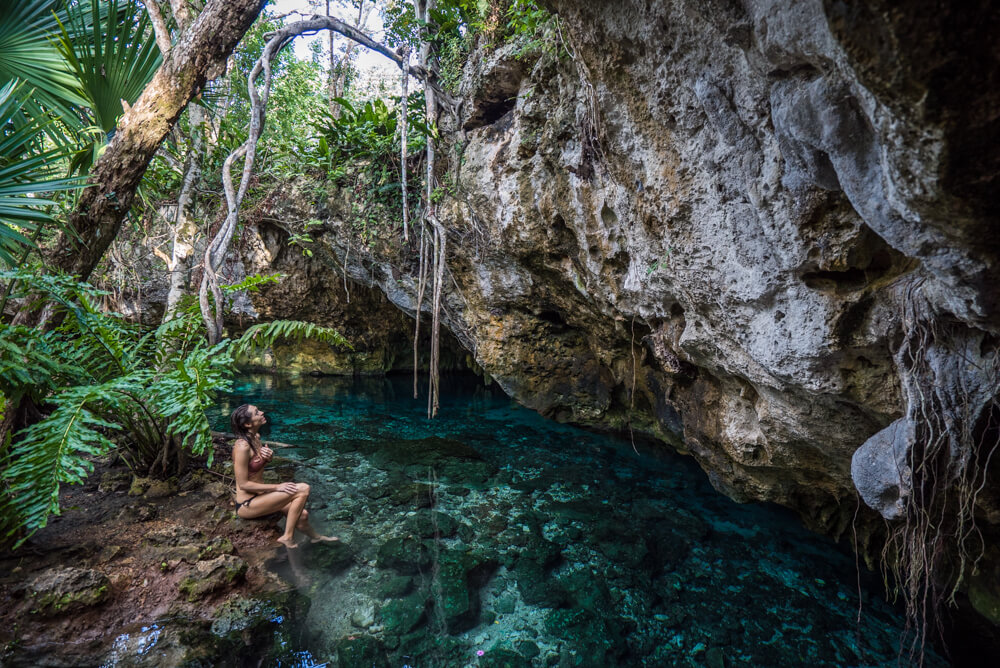
A trip to Tulum isn’t complete without a cenote swim. The Gran Cenote is one of the most popular, just 3 miles from town. Its crystal-clear water is perfect for snorkeling and spotting turtles and small fish. The cenote has platforms, changing rooms, and gear rentals.
- Entrance fee: About $10 USD
- Open: 8 am to 4:45 pm
Arrive early or late in the day for the best experience. Wear biodegradable sunscreen to protect the water.
Sian Ka’an Biosphere Reserve
Just south of Tulum lies the vast Sian Ka’an Biosphere Reserve, a UNESCO World Heritage Site. This protected area is home to hundreds of bird species, dolphins, turtles, and even jaguars. Guided boat tours let you explore mangroves, lagoons, and untouched beaches.
It’s easy to underestimate the reserve’s size. Plan a half-day or full-day trip, and always go with a certified guide for safety and to spot more wildlife.
| Wildlife Species | Approximate Count | Best Viewing Time |
|---|---|---|
| Birds | 370+ | Early morning |
| Dolphins | Frequent sightings | Year-round |
| Manatees | Occasional | April–October |

Credit: travelrebels.com
Tulum Pueblo (town Center)
The town center is where local life happens. Here, you’ll find street tacos, colorful murals, and lively shops. The atmosphere is more laid-back and less expensive than the beach zone. Don’t miss the night markets and local restaurants offering authentic Yucatán dishes like cochinita pibil.
Walking or biking is the best way to explore. Many tourists miss the chance to chat with locals or try lesser-known eateries. Exploring side streets can lead to hidden gems.
Tulum Beach Road (zona Hotelera)
This scenic road stretches along the coast, lined with boutique hotels, yoga studios, and stylish bars. Tulum Beach Road is famous for its eco-chic vibe and Instagram-worthy spots like the Ven a la Luz sculpture and unique cafes.
Biking is the easiest way to travel here due to traffic. Prices are higher, but the atmosphere is unmatched. Sunset walks here feel magical, with music drifting from beach clubs.
Credit: www.bemytravelmuse.com
Cenote Calavera
Less crowded than Gran Cenote, Cenote Calavera (the “Temple of Doom”) is known for its circular entrance and jumping platforms. The cenote’s name comes from the three holes in the ceiling, resembling a skull. It’s a favorite for adventurous swimmers and divers.
- Entrance fee: About $7 USD
- Open: 9 am to 5 pm
Jumping into the water is a unique thrill. Bring water shoes for the slippery rocks.
Coba Ruins
While not in Tulum town, the Coba Ruins are a must if you have time. Located 30 miles away, this ancient city lets you climb Nohoch Mul, the tallest pyramid in the Yucatán (137 feet). The site is surrounded by jungle and less crowded than Tulum’s main ruins.
Rent a bike at the entrance to cover the large area. Early morning visits mean cooler weather and better chances to spot wildlife.
| Site | Climbing Allowed? | Travel Distance from Tulum |
|---|---|---|
| Tulum Ruins | No | 0 miles |
| Coba Ruins | Yes | 30 miles |
Casa Cenote
Casa Cenote is a unique waterway that connects a mangrove lagoon to the sea. It’s perfect for kayaking, snorkeling, or paddleboarding through clear, blue-green water. The cenote is home to friendly fish and sometimes even a small crocodile that locals call “Panchito.” Don’t worry—he’s harmless and famous among guides.
This cenote is less busy than others, making it great for relaxed swimming. Arrive early for the best light and fewer people.
Street Art And Murals
Tulum’s streets are filled with vibrant murals that show local culture, nature, and social messages. The best spots for street art are in Tulum Pueblo and along the road to the beach. Each mural tells a story and offers colorful backgrounds for photos.
Most tourists focus only on the ruins or beaches and miss this modern, creative side of Tulum. Take a self-guided walking tour to see the changing art scene.
Quick Comparison: Top Tulum Experiences
Here’s a quick look at what makes each place special:
| Attraction | Main Activity | Best Time to Visit |
|---|---|---|
| Tulum Ruins | History, Views | Morning |
| Playa Paraíso | Beach, Relaxing | Morning |
| Gran Cenote | Snorkeling, Swimming | Early/Late |
| Sian Ka’an | Wildlife, Nature | Morning |
| Tulum Pueblo | Food, Local Culture | Evening |
Tulum is more than a beach destination. It’s a blend of old and new, nature and art. To get the most from your visit, plan ahead and explore beyond the obvious spots. Remember, the best experiences often come from unexpected moments—like a quiet cenote swim or a chat with a local vendor.
For more on Tulum’s history and culture, check the Wikipedia page.
Frequently Asked Questions
What Is The Best Time Of Year To Visit Tulum?
The best months are November to April, when the weather is sunny and less humid. This is also high season, so book hotels early.
Are Tulum’s Cenotes Safe For Swimming?
Yes, most cenotes are safe if you follow rules and wear life jackets. Use eco-friendly sunscreen to protect the water.
How Do I Get Around Tulum?
Renting a bike or scooter is popular for short distances. Taxis are available, but prices can be high. For longer trips, use a rental car.
Is It Safe To Travel To Tulum?
Tulum is generally safe for tourists. Use common sense, avoid unlit areas at night, and keep an eye on your belongings.
What Should I Pack For Tulum?
Bring light clothing, sunblock, a hat, water shoes, and a reusable water bottle. Mosquito repellent is also helpful, especially for cenotes and jungles.

Credit: www.croissantsandcaviar.com
