
Vienna is a city that effortlessly blends imperial history with vibrant modern life. Known for its grand palaces, rich musical legacy, and charming streets, the Austrian capital draws millions of visitors each year. Whether you love art, music, architecture, or food, Vienna offers something unforgettable.
Let’s explore the best tourist places in Vienna and discover why this city stands at the heart of Europe’s culture.
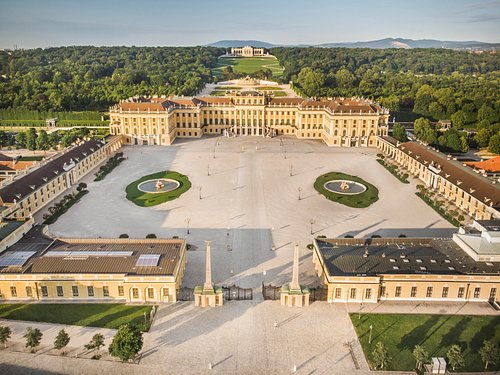
Schönbrunn Palace
Few places capture Vienna’s royal history like Schönbrunn Palace. Once the summer residence of the Habsburgs, this baroque masterpiece features 1,441 rooms and stunning gardens. Walk through the Great Gallery, where balls and banquets dazzled the elite, or stroll the maze in the vast park outside.
Don’t miss the Gloriette, an elegant hilltop structure with one of the best city views. For families, the Vienna Zoo—the oldest in the world—offers a fun break on palace grounds. An insider tip: visit early morning to enjoy the palace with fewer crowds.
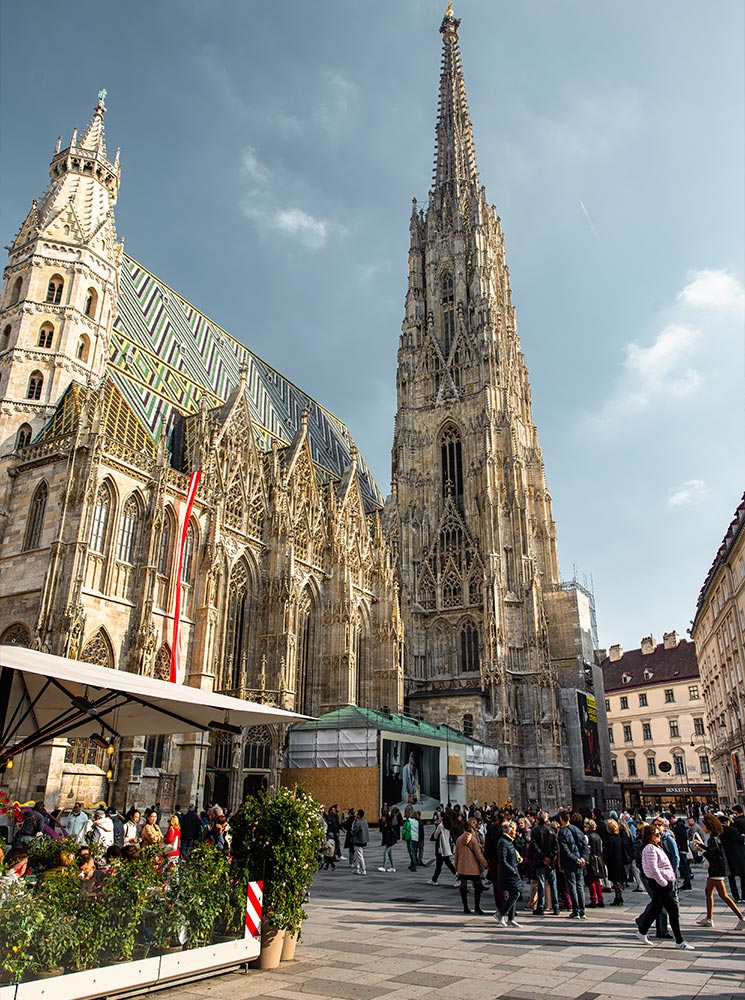
St. Stephen’s Cathedral
In the heart of the city stands St. Stephen’s Cathedral, Vienna’s most iconic church. Its colorful tiled roof and tall south tower define the city skyline. Climb the 343 steps up the tower for a panoramic view of the Old Town.
Inside, look for the Gothic stone pulpit, intricate altars, and the catacombs below, where centuries of Viennese are buried. The cathedral often hosts classical concerts, making it a magical spot for music lovers.
Credit: kelseyinlondon.com
Belvedere Palace
The Belvedere Palace is actually two palaces—Upper and Lower—connected by beautiful gardens. Built for Prince Eugene of Savoy, the Upper Belvedere now houses Austria’s best collection of art, including Gustav Klimt’s “The Kiss”.
The gardens are perfect for a peaceful walk, and the view from the Upper Belvedere steps down to the city is breathtaking. Art fans should set aside at least an hour to explore the world-class galleries.
Hofburg Palace
Hofburg Palace is the former home of Austrian emperors. Today, it’s the seat of the Austrian president and a complex of museums and royal apartments. Walk through the Imperial Apartments to see how the Habsburgs lived, or admire the silverware and jewels in the Imperial Treasury.
The Spanish Riding School is also located here. Watching the famous Lipizzaner horses train is a unique Vienna experience, but tickets sell out fast—book in advance.
Vienna State Opera
For music lovers, the Vienna State Opera is a must-see. This grand 19th-century building hosts over 350 performances each year, from Mozart to modern ballet. Even if you don’t attend a show, guided tours reveal backstage secrets and the impressive architecture.
Affordable standing-room tickets are available if you queue early, making world-class music accessible to all.
Museumsquartier
Vienna’s MuseumsQuartier is one of the largest cultural districts in the world. It brings together famous museums like the Leopold Museum (with Egon Schiele’s works) and the Museum of Modern Art.
Relax in the outdoor courtyards, enjoy coffee at trendy cafes, or visit small galleries. Locals love the modern vibe here, and in summer, open-air festivals create a lively atmosphere.
Prater And The Giant Ferris Wheel
The Prater is a large public park best known for its Giant Ferris Wheel. Built in 1897, the wheel offers a classic view of Vienna and is especially romantic at sunset. The park also has fun fairground rides, green spaces for picnics, and bike paths.
For a budget-friendly tip, explore the nearby Prater Hauptallee, a tree-lined avenue perfect for walking or jogging.
Albertina Museum And State Rooms
The Albertina Museum is home to one of the world’s most important graphic art collections. See drawings by Dürer, Monet, and Picasso, and enjoy rotating exhibitions of modern art. The former state rooms, with elegant interiors, reveal another side of Vienna’s aristocratic past.
Allow an hour or two to explore both the art and the lavish rooms.
Credit: www.tripadvisor.com
Naschmarkt
If you want to taste Vienna, head to the Naschmarkt. This open-air market stretches for 1.5 kilometers and is packed with stalls selling fresh produce, spices, cheeses, and international foods. Saturdays are especially lively with a flea market at one end.
Try traditional snacks like Käsekrainer (cheese-filled sausage) or sample foods from around the world. Arrive hungry—the variety is amazing!
Vienna City Hall (rathaus)
Vienna’s City Hall is not just an administrative building; it’s a neo-Gothic masterpiece and a hub for public events. In winter, the square outside becomes a bustling Christmas market with lights and skating. In summer, free film festivals and open-air concerts attract crowds.
Guided tours of the interior reveal grand halls and the famous Rathausmann statue on the roof.
Natural History Museum
The Natural History Museum in Vienna is one of the largest of its kind. Inside, you’ll find over 30 million objects, from prehistoric dinosaurs to sparkling gemstones. The Venus of Willendorf, a 25,000-year-old figurine, is a must-see.
It’s a great place for families and science fans, and the ornate building itself is worth admiring.
Vienna’s Top Sights At A Glance
Here’s a quick comparison of some of Vienna’s most famous attractions:
| Place | Main Attraction | Approx. Visit Time |
|---|---|---|
| Schönbrunn Palace | Palace, Gardens, Zoo | 2–4 hours |
| St. Stephen’s Cathedral | Cathedral, Tower View | 1–2 hours |
| Belvedere Palace | Art Museum, Gardens | 1.5–3 hours |
| Prater | Ferris Wheel, Park | 1–2 hours |
Vienna: Culture, Music, And More
Vienna is famous for its music history. Mozart, Beethoven, and Schubert all lived and composed here. You’ll find regular concerts in churches, palaces, and public spaces. Museums like the Haus der Musik offer interactive experiences, perfect for all ages.
Cafés are another part of Vienna’s soul. Historic spots like Café Central have been meeting places for artists and writers for over a century. Try a slice of Sachertorte (chocolate cake) with your coffee for the full experience.
Essential Tips For Visiting Vienna
- Vienna Pass: Consider buying a Vienna Pass for free entry to top attractions and unlimited public transport.
- Getting Around: The city’s tram and subway system is fast, clean, and easy to use.
- Best Time to Visit: Spring (April–June) and fall (September–October) offer mild weather and fewer tourists.
- Local Etiquette: Vienna is safe and welcoming, but locals appreciate polite greetings and quiet conversation in public.
Popular Attractions: Entry Prices
To help plan your budget, here’s a quick look at typical entry fees:
| Attraction | Adult Price (EUR) | Child Price (EUR) |
|---|---|---|
| Schönbrunn Palace (Grand Tour) | ~26 | ~19 |
| Belvedere Palace (Upper) | ~17 | ~14 |
| Giant Ferris Wheel | ~14 | ~6 |
| Natural History Museum | ~16 | ~7 |
Frequently Asked Questions
What Is The Best Way To Get Around Vienna?
Vienna’s public transport system—trams, buses, and subways—is reliable, clean, and covers all major sights. A 24-hour ticket is affordable and saves you time.
Which Attractions In Vienna Are Free To Visit?
Many gardens, parks, and churches are free. For example, St. Stephen’s Cathedral entry is free, but some areas require a ticket. Parks like the Stadtpark and Prater are open to all.
How Much Time Should I Spend In Vienna?
A short trip of 2–3 days lets you see the main highlights. For art and music fans, 4–5 days allows more time to explore museums and concerts.
Is Vienna Suitable For Families With Children?
Yes, Vienna is very family-friendly. The Vienna Zoo, Prater park, and Natural History Museum are popular with kids. Many cafés and restaurants have children’s menus.
Where Can I Find More Information About Vienna’s Attractions?
For the latest details on opening times, events, and tickets, visit the official tourism site: Vienna Tourist Board.
Vienna’s mix of imperial splendor, lively culture, and warm hospitality makes it a top destination. Whether you’re walking grand palace halls, enjoying street music, or sipping coffee in a historic café, the city’s charm will stay with you long after your visit ends.

Credit: excursionmania.com
