
Warsaw is a city that surprises many travelers. Poland’s capital is full of history, culture, and modern energy. After being almost destroyed in World War II, Warsaw rebuilt itself into a vibrant, welcoming destination. Whether you enjoy museums, peaceful parks, or lively squares, you will find something special in this city.
In this guide, you’ll discover the best tourist places in Warsaw. These places attract millions of visitors every year and help you understand what makes Warsaw unique. If you are planning a trip or just curious, this overview will show you where to start.
Old Town (stare Miasto)
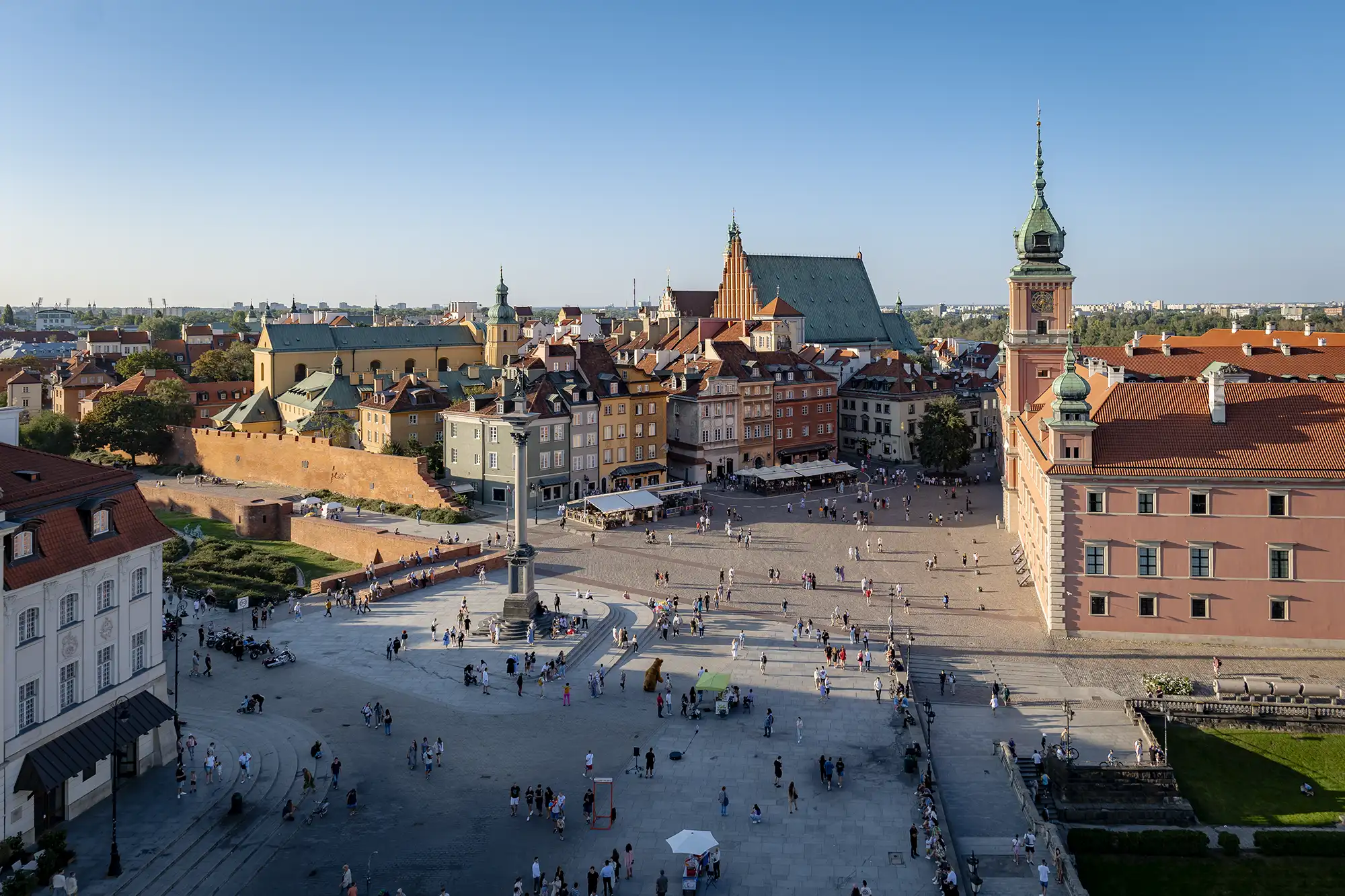
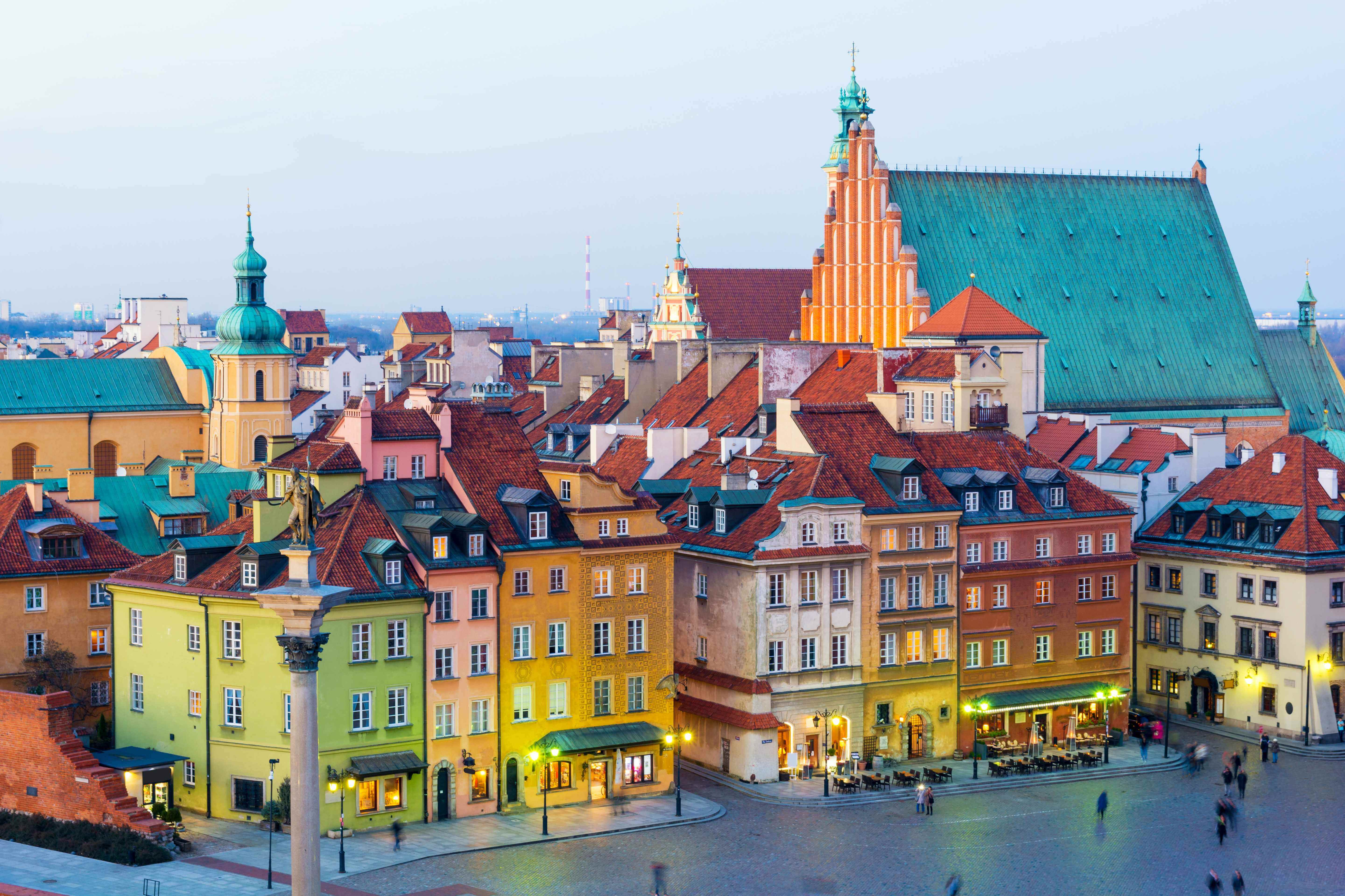
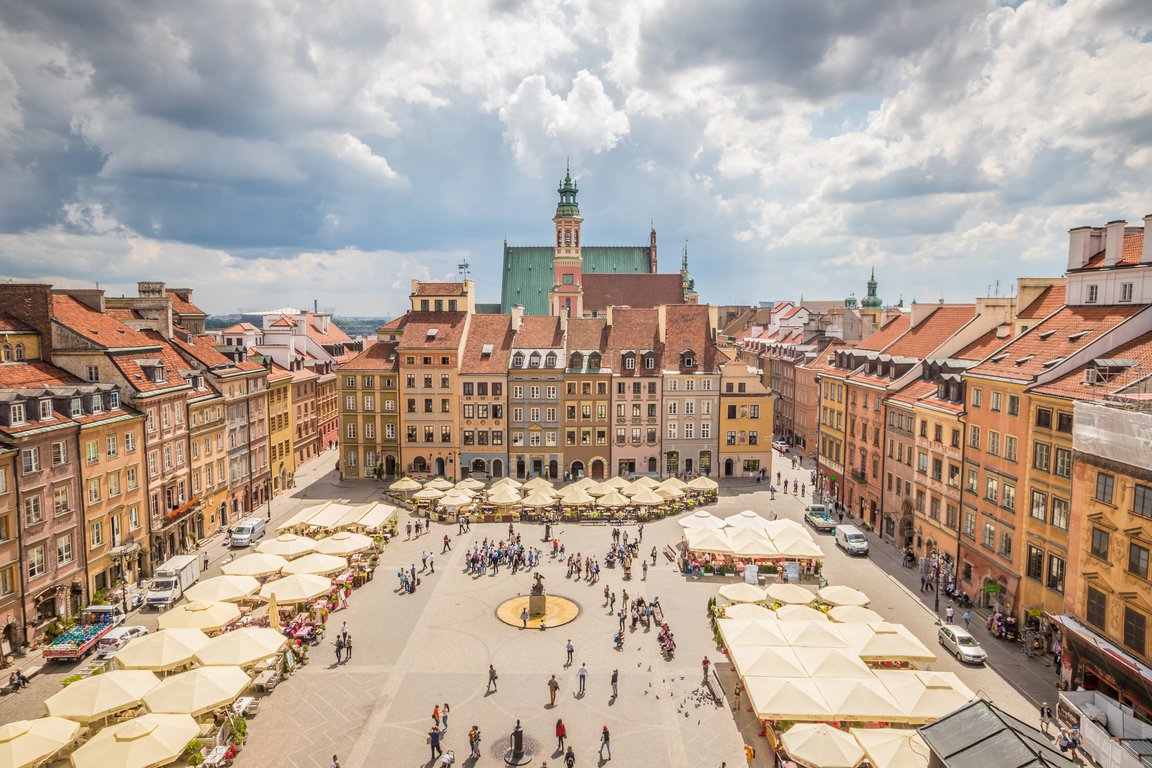
The Old Town is the heart of Warsaw. Cobblestone streets, colorful houses, and cozy restaurants create a charming atmosphere. The Old Town Square is famous for its Royal Castle, which was carefully rebuilt after the war.
You can walk around the city walls, see the Sigismund’s Column, and enjoy street performances. Don’t miss the historic Barbican and the beautiful St. John’s Archcathedral. Visiting in the evening is magical, as the old buildings light up and the square comes alive.
Łazienki Park
Łazienki Park is the largest park in Warsaw, covering over 188 acres. It’s a peaceful escape from the busy city. The park is famous for its Palace on the Isle, which sits on a lake and reflects in the water.
You’ll see peacocks, red squirrels, and many statues. In summer, free Chopin concerts are held near the Chopin Monument. Locals and tourists enjoy rowing boats, walking in the rose gardens, and relaxing by the water. Łazienki Park is perfect for families, couples, or solo travelers.
Palace Of Culture And Science
The Palace of Culture and Science is Warsaw’s tallest building, reaching 778 feet. Built in the 1950s, it’s a symbol of the city’s Soviet past. Today, it’s a center for events, theaters, and museums.
Tourists love the 30th-floor observation deck for panoramic city views. Inside, you can visit the Museum of Technology, watch a film, or attend a concert. Some people find the architecture controversial, but it’s impossible to ignore.
Here’s how the Palace compares to other landmarks:
| Landmark | Height (ft) | Main Attraction |
|---|---|---|
| Palace of Culture and Science | 778 | Observation Deck |
| Royal Castle | 197 | Royal Apartments |
| Warsaw Spire | 722 | Modern Offices |
Polin Museum Of The History Of Polish Jews
The POLIN Museum tells the 1,000-year story of Polish Jews. Its modern glass building stands on the site of the former Warsaw Ghetto. The museum’s interactive exhibits make history easy to understand, even for visitors with limited English.
You can learn about Jewish culture, the Holocaust, and how the community shaped Poland. The museum is moving, educational, and highly rated by travelers. If you want to understand Warsaw’s past, this place is essential.
Credit: awaytothecity.com
Wilanów Palace
The Wilanów Palace is known as the “Polish Versailles.” Built in the 17th century, it survived wars and still keeps its original charm. The palace is filled with royal art, paintings, and antique furniture.
Outside, the gardens are perfect for a walk in spring or summer. Wilanów Palace often hosts cultural events and concerts. It’s a favorite for photographers and history lovers.
Warsaw Uprising Museum
The Warsaw Uprising Museum honors the city’s brave resistance during World War II. Opened in 2004, the museum uses films, photos, and interactive displays to tell the story of the 1944 uprising.
You can walk through a replica of a wartime sewer, listen to survivors’ stories, and see original weapons. This museum is emotional, but it helps visitors appreciate Warsaw’s spirit.
Here’s a quick comparison of Warsaw’s top museums:
| Museum | Main Focus | Year Opened |
|---|---|---|
| Warsaw Uprising Museum | WWII Resistance | 2004 |
| POLIN Museum | Jewish History | 2013 |
| National Museum | Polish Art | 1862 |
Credit: www.barcelo.com
Vistula Boulevards
The Vistula Boulevards are a lively area along the river. Locals come here to bike, walk, or relax by the water. In summer, you’ll find outdoor bars, food trucks, and concerts.
It’s a great spot to see sunsets over the city. There are also playgrounds for children and free fitness zones. If you want to see how Warsaw enjoys life, this is the place to visit.
Praga District
Praga is located on the east side of the Vistula River. It’s different from the center—more artistic, less polished, and full of surprises. Old factories are now home to galleries, clubs, and cafes.
Street art covers many walls, and the Soho Factory is a creative hub with theaters and events. Praga is also famous for the Warsaw Zoo and the beautiful St. Florian’s Cathedral. Travelers who want to explore local life often enjoy wandering these streets.
Copernicus Science Center
The Copernicus Science Center is perfect for families and curious minds. With over 400 hands-on exhibits, visitors of all ages can experiment and learn about science.
You can try a flight simulator, create your own robot, or visit the planetarium. The center is popular on weekends, so try to come early or book tickets online.
Here’s a summary of what you can do at some top attractions:
| Place | Main Activity | Good for Kids? |
|---|---|---|
| Copernicus Science Center | Interactive Exhibits | Yes |
| Łazienki Park | Walking & Nature | Yes |
| Wilanów Palace | Palace Tour | No (for very young kids) |
Two Non-obvious Insights
- Warsaw’s free walking tours are excellent for learning city secrets. Many guides are locals with personal stories, making history feel real.
- Warsaw’s attractions are more spread out than in other European cities. Using public transport or city bikes will save you time and energy.
Warsaw is a city that rewards slow travel. Beyond the main sites, you’ll find small bakeries, hidden murals, and friendly locals. Each season brings something new: colorful leaves in autumn, lively riverbanks in summer, and peaceful markets in winter. If you want to learn more about Warsaw’s history, visit the official Warsaw Wikipedia page.
Credit: overhere.eu
Frequently Asked Questions
How Many Days Should I Spend In Warsaw?
Most travelers enjoy 2–3 days in Warsaw. This gives you enough time to see main sites, try local food, and explore a few museums. If you like a slower pace, 4–5 days lets you enjoy parks and neighborhoods.
Is Warsaw Safe For Tourists?
Yes, Warsaw is considered safe. Normal travel precautions apply, such as watching your belongings in busy areas. The city center and tourist spots are well-patrolled.
What Is The Best Time To Visit Warsaw?
Late spring (May–June) and early autumn (September) are ideal. These months offer pleasant weather and fewer crowds. Summers can be busy, but many outdoor events happen then.
Do People Speak English In Warsaw?
Many young people and workers in tourist areas speak basic English. In museums, signs are often in both Polish and English. It helps to learn a few Polish words for politeness.
What Is A Must-try Polish Dish In Warsaw?
Try pierogi (dumplings), żurek (sour rye soup), and placki ziemniaczane (potato pancakes). Many restaurants in Old Town and Praga serve these classic dishes.
Warsaw combines the old and the new, offering both history and modern fun. Whether it’s your first time or a return visit, this city will surprise you with its energy and charm.
