
Brown v. Board of Education National Historical Park (Ks): Things to Do and Tourist Attractions
When you visit the Brown v. Board of Education National Historical Park in Topeka, Kansas, you step into a place where American history changed forever. This site is not just about court cases and old buildings—it’s a living story of courage and hope. People from all over the world come here to learn about the fight for school equality and to experience a powerful piece of the civil rights movement. Whether you’re a history lover, a family with kids, or just curious, this park offers much more than you might expect.
Why Visit Brown V. Board Of Education National Historical Park?
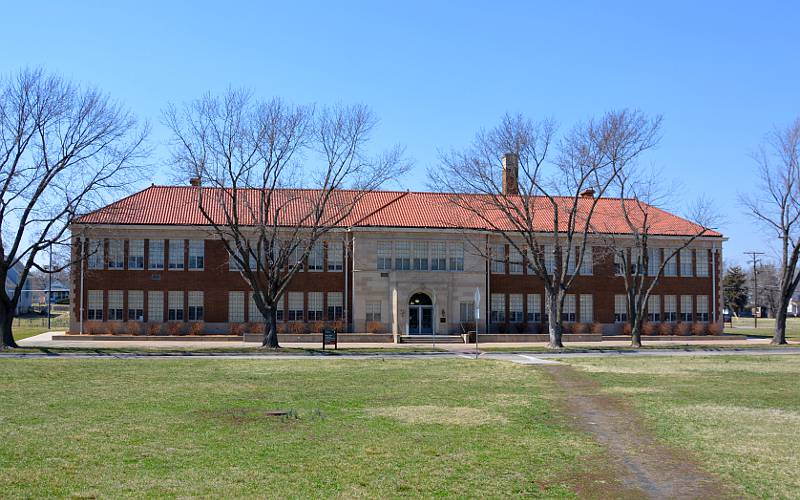
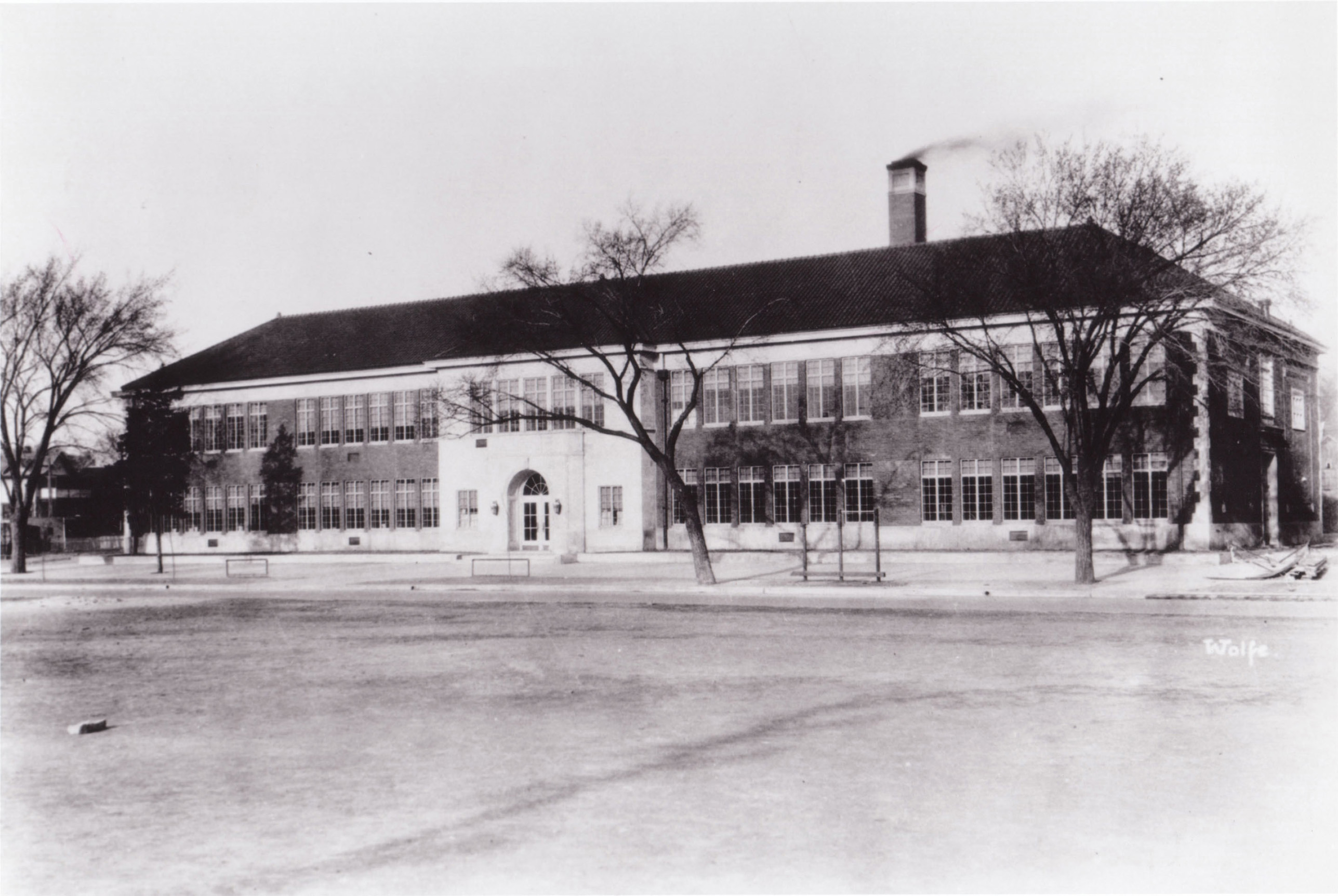
This park marks the location connected with the 1954 Supreme Court decision that ended legal segregation in public schools. The Monroe Elementary School, now the heart of the park, was one of four African American elementary schools in Topeka during segregation.
Visiting here is not just about seeing a building. It’s about understanding what happened, meeting the stories of real people, and exploring how one court case helped change the United States. The park’s attractions mix history, education, and inspiration.
Top Things To Do In The Park
Explore Monroe Elementary School
At the center of the park is the restored Monroe Elementary School. Inside, you’ll find interactive exhibits that explain the story of Brown v. Board of Education and the long struggle for civil rights. You can walk through classrooms that look like they did in the 1950s, watch short documentary films, and see artifacts from that era.
Experience The Permanent Exhibits
The main exhibit, “Courage,” uses photos, documents, and personal stories to show what segregation was really like. There are also sections about the five related court cases that made up Brown v. Board, not just the Topeka one.
You’ll also see:
- Original desks and chalkboards from the Monroe classrooms
- Powerful oral histories from local students and teachers
- Court documents and news clippings from the 1950s
Join Ranger-led Tours And Programs
National Park Service rangers lead daily tours that bring the history to life. They explain the details of the court case, answer questions, and connect the story to events today. Special programs for kids and families use games, storytelling, and art to make learning fun.
Visit The Auditorium
The school’s auditorium is now a small theater. Here you can watch a 30-minute film about the Brown case and the wider civil rights movement. The film uses real interviews and rare footage. It’s a good way to start or end your visit.
Walk The School Grounds
Outside, you can see the school playground and read outdoor signs that explain what the site looked like during segregation. There’s a memorial garden and benches for reflection. This is a quiet place to think about the courage of those who fought for equal rights.
Other Attractions Near The Park
While Monroe Elementary is the main site, the story of Brown v. Board is spread across Topeka. If you have extra time, explore these nearby places:
- Sumner Elementary School: The school Linda Brown tried to attend. You can’t always go inside, but you can see it from the outside and read historical markers.
- Kansas State Capitol: Just a few minutes away, the capitol has murals and exhibits about civil rights history in Kansas.
- Downtown Topeka: Enjoy local restaurants, museums, and shops. The city celebrates its role in civil rights with public art and walking tours.
Park Facilities And Visitor Tips
Here’s a quick comparison of what you’ll find in the park:
| Facility | Details | Accessibility |
|---|---|---|
| Visitor Center | Exhibits, information desk, bookstore | Fully accessible |
| Restrooms | Located near entrance | Wheelchair accessible |
| Parking | Free, on-site lot | Accessible spaces available |
| Picnic Area | Outdoor tables, shaded spots | Accessible paths |
Practical tips:
- The park is free to visit and open year-round, but check hours before you go.
- Plan for 1–2 hours for a basic visit; more if you join tours or activities.
- Photography is allowed, except in some exhibit areas.
- The site is fully accessible for wheelchairs and strollers.
- Groups and school visits are welcome, but large groups should book in advance.

Credit: extension.psu.edu
What Makes This Park Unique?
Most U.S. national parks protect nature, but this one preserves an idea—equality in education. Visitors often say they are surprised by the emotional impact of seeing the original classrooms and hearing stories from local families.
Here’s how it compares with other civil rights landmarks:
| Site | Focus | Key Attraction |
|---|---|---|
| Brown v. Board (Topeka) | School desegregation | Monroe Elementary, exhibits |
| Little Rock Central High (Arkansas) | School integration crisis | Historic school, ranger talks |
| Selma to Montgomery (Alabama) | Voting rights | Edmund Pettus Bridge, trails |
Unlike many museums, the park connects national events to local stories. It’s an ideal place for students and families to see how history shapes daily life.
Two Insights Visitors Often Miss
- The Brown case was not just one family. It combined five lawsuits from different states, but Topeka’s story was the main focus because the school district did not treat Black students as harshly as in the South—making the case harder to argue but very important legally.
- School segregation still exists today. Many exhibits explain how schools remain unequal in some areas, even after the 1954 decision. This helps visitors see the ongoing need for fairness in education.
Credit: kansastravel.org
Planning Your Visit
The park is in central Topeka, easy to reach by car or public transit. There are hotels, restaurants, and other museums nearby. The best time to visit is spring or fall, when weather is mild and school tours are less frequent.
If you want to learn more before your visit, the National Park Service offers virtual tours and educational materials. For deeper reading, check the official NPS site.
A visit to Brown v. Board of Education National Historical Park can be deeply moving. The lessons here are not just about the past—they remind us that change is possible when people stand up for what is right.
Frequently Asked Questions
What Is The Brown V. Board Of Education National Historical Park?
It is a park in Topeka, Kansas, centered on Monroe Elementary School. The site marks the Supreme Court decision that ended legal segregation in U. S. public schools.
Is There An Entrance Fee To Visit The Park?
No, admission is free for all visitors.
How Long Should I Plan To Stay?
Most visitors spend 1–2 hours. If you join tours or do all activities, you may want 2–3 hours.
Are There Activities For Children And School Groups?
Yes. The park offers special programs, hands-on exhibits, and educational tours for kids and groups.
Can I Visit Other Related Sites In Topeka?
Yes, you can see Sumner Elementary and other civil rights landmarks. Downtown Topeka also has museums and public art related to the Brown case.
Credit: www.nps.gov
