
Camping without a tent may sound wild, but it’s a real adventure many outdoor lovers choose. Whether you want to get closer to nature, travel lighter, or just try something new, ditching the tent can make camping more exciting. But it also means you need to plan carefully to stay safe and comfortable.
There are many ways to sleep outdoors, and each comes with its own tips and challenges. Let’s explore how you can enjoy a great night under the stars—no tent needed.
Why Go Camping Without A Tent?
People camp without tents for many reasons. Some want to carry less weight, especially if hiking long distances. Others simply enjoy the open-air feeling and want to see the stars above them. In some places, the weather is mild enough that a tent isn’t necessary. For others, it’s about saving money or trying a survival challenge.
Surveys show that about 30% of backpackers in the US have tried camping without a tent at least once. It’s growing in popularity, especially among ultralight hikers and those who enjoy bushcraft.
Main Alternatives To Tents
There are several popular ways to camp without a tent. Each method has its benefits and drawbacks. Here’s a look at the most common options:
| Alternative | Best For | Main Downside |
|---|---|---|
| Hammock | Forested areas, comfort | Needs trees; less warmth |
| Tarp Shelter | Ultralight, flexible setup | Less bug protection |
| Bivy Sack | Solo, minimal gear | Little space, can feel tight |
| Sleeping Under the Stars | Clear, dry nights | No weather protection |
| Natural Shelters | Survival, bushcraft | Time-consuming, not always available |
Hammock Camping
Hammocks are popular in forests because they keep you off the ground. They are light, quick to set up, and comfortable for most people. Add a bug net and a rainfly for extra protection.
Tarp Shelter
A tarp is a simple sheet of waterproof material. You can set it up in many ways, using trees, poles, or even sticks. Tarps are light and pack down small. But they don’t protect well against bugs unless you add extra gear.
Bivy Sack
A bivy sack is like a small, waterproof cover for your sleeping bag. It gives you more protection than sleeping in the open, but less space than a tent. Some models have a hoop near your face to keep the fabric away.
Sleeping Under The Stars
On dry, clear nights, some people simply lay down a groundsheet and their sleeping bag. This is the simplest and lightest way to camp. You get a wide view of the sky, but no cover from rain or dew.
Natural Shelters
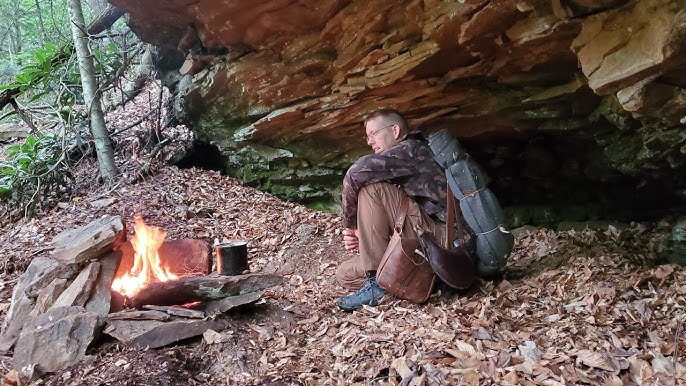
If you have some bushcraft skills, you can build a natural shelter from branches, leaves, or even snow. This can be fun and rewarding, but it takes time and practice. Make sure to respect the environment and follow local rules.
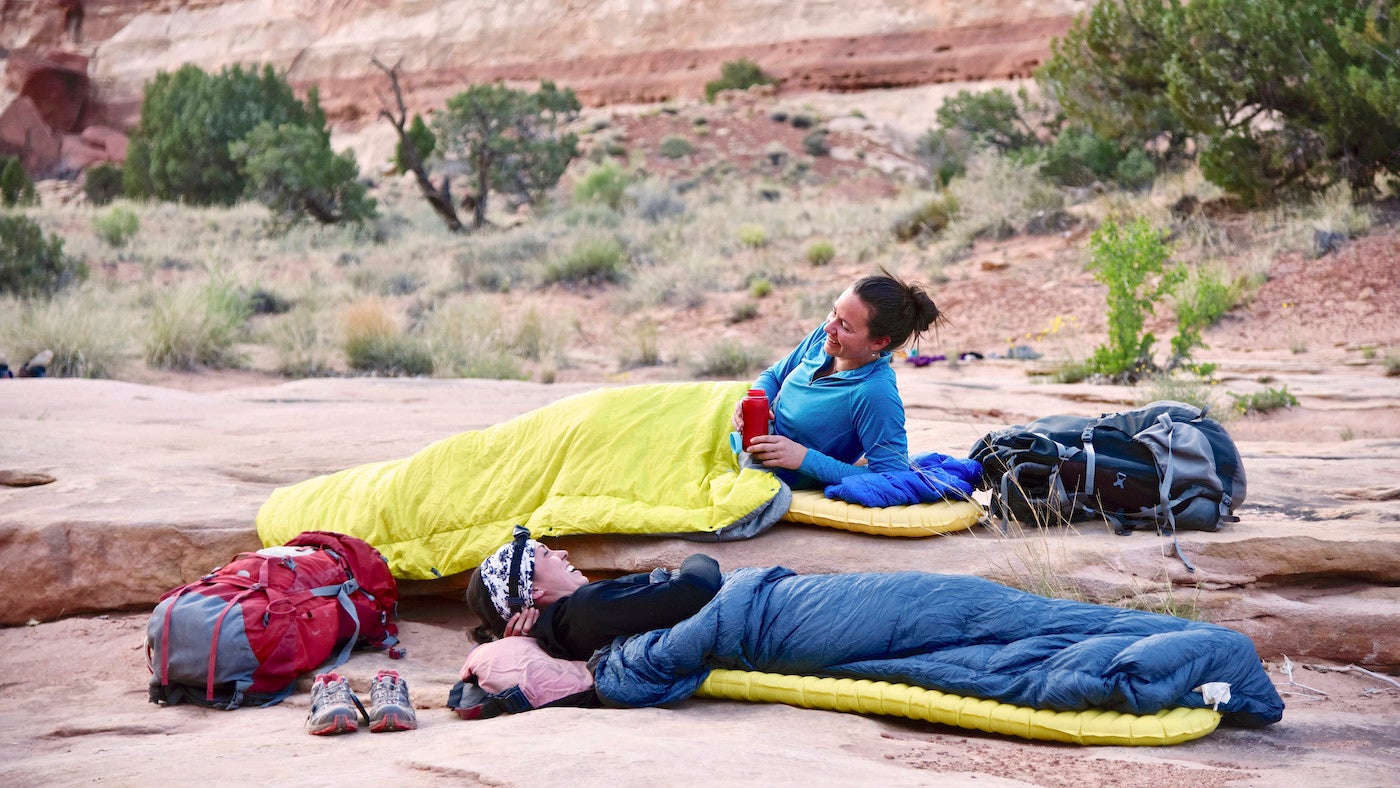
Credit: www.backpacker.com
Essential Gear For Camping Without A Tent
You’ll need to adjust your packing list if you leave your tent at home. Here are some key items to bring:
- Sleeping bag: Choose one rated for the coldest temperature you expect.
- Sleeping pad: A foam or inflatable pad insulates you from the cold ground.
- Groundsheet: Protects your gear from dirt and moisture.
- Bug net: Important in areas with lots of insects.
- Tarp or bivy sack: For rain or extra wind protection.
- Emergency blanket: Light, cheap, and can save you in a pinch.
- Headlamp or flashlight: Essential for moving around at night.
- Rope or paracord: Useful for setting up shelters or hanging food.
A common mistake is to forget about insulation. Even in summer, the ground can be cold. Always pack a sleeping pad to avoid losing body heat.
Here’s a quick gear comparison for different methods:
| Method | Essential Gear | Weight (approx.) |
|---|---|---|
| Hammock | Hammock, bug net, rainfly | 1.2-2 kg |
| Tarp | Tarp, stakes, rope, pad | 0.8-1.3 kg |
| Bivy Sack | Bivy, sleeping bag, pad | 1-1.5 kg |
| Stars | Groundsheet, bag, pad | 0.7-1.1 kg |
Staying Safe And Comfortable
Camping without a tent comes with unique challenges. Here’s how to stay safe and sleep well:
- Check the weather forecast. Avoid going tentless if rain, storms, or strong winds are likely.
- Choose your campsite carefully. Look for high ground to avoid water pooling. Stay away from animal trails and low-lying areas.
- Protect against bugs. In some places, mosquitoes and ticks are a real problem. Always pack a bug net or use repellents.
- Keep warm. Use a sleeping bag and pad that match the season. Layer clothing for extra warmth.
- Store food safely. Animals are more likely to visit open camps. Hang your food or use bear-proof containers.
One thing beginners often overlook is dew. Even on dry nights, grass and sleeping bags can get wet from condensation. Using a lightweight tarp above your sleeping area can help, even if rain isn’t expected.
Credit: www.youtube.com
When You Shouldn’t Go Tentless
Camping without a tent isn’t always a good idea. Avoid it in these situations:
- Heavy rain or storms are expected.
- Cold temperatures: Hypothermia risk increases without a tent’s warmth.
- High bug season: Some areas have intense insect activity in summer.
- Desert areas: Scorpions or snakes might be a concern at night.
- Regulated campsites: Some parks require tents for safety or environmental reasons.
Always know the rules of the land you’re camping on. Some places don’t allow open camping or have strict rules for fires and shelters. Check local regulations before your trip.
Tips For A Better Tentless Experience
- Practice at home first. Try sleeping in your yard before heading into the wild.
- Bring backup shelter. A small tarp or emergency bivy can save your trip if the weather changes.
- Pack light, but don’t skip essentials. Safety comes first.
- Leave no trace. Always clean up your campsite and pack out trash.
- Respect wildlife. Keep food stored and don’t feed animals.
An insight many beginners miss: Sleeping without a tent can make you more in tune with nature. You’ll notice sounds, smells, and sights you’d miss inside a tent. But it also means you need to be more alert and adaptable.
For more detailed camping safety advice, you can visit the REI Expert Advice page.

Credit: www.kailonaturetherapy.com
Frequently Asked Questions
Is Camping Without A Tent Safe?
It can be safe if you prepare properly. Always check the weather, use the right gear, and choose your campsite carefully. Pay attention to local wildlife and insects.
What Is The Lightest Shelter Option?
A tarp setup is usually the lightest, often under 1 kg. It also packs down very small, making it popular with ultralight hikers.
Can I Camp Without A Tent In Winter?
It is possible, but only for experienced campers. You’ll need advanced knowledge of insulation, weather protection, and possibly building natural shelters like snow caves.
How Do I Protect Myself From Bugs Without A Tent?
Use a bug net over your sleeping area or hammock. Insect repellent can also help. Avoid camping near standing water, where mosquitoes breed.
What Should I Do If It Rains While Camping Without A Tent?
If you expect rain, set up a tarp shelter before going to sleep. Always have a backup plan, such as a nearby shelter or vehicle, in case conditions get worse.
Camping without a tent isn’t for everyone, but it offers a unique, open-air experience that many find rewarding. With careful planning, the right gear, and respect for nature, you can enjoy a safe and memorable night under the stars.
