
Craters of the Moon National Monument and Preserve is a place unlike any other in the United States. Located in central Idaho, this park covers over 750,000 acres of wild volcanic landscape. It feels like you are walking on another planet, surrounded by black lava fields, deep craters, and unique rock formations.
Many visitors are surprised by the variety of things to do here, from hiking and caving to stargazing and wildlife watching. If you want to experience nature’s raw power and beauty, Craters of the Moon is a must-see.
Exploring Lava Flows And Scenic Trails
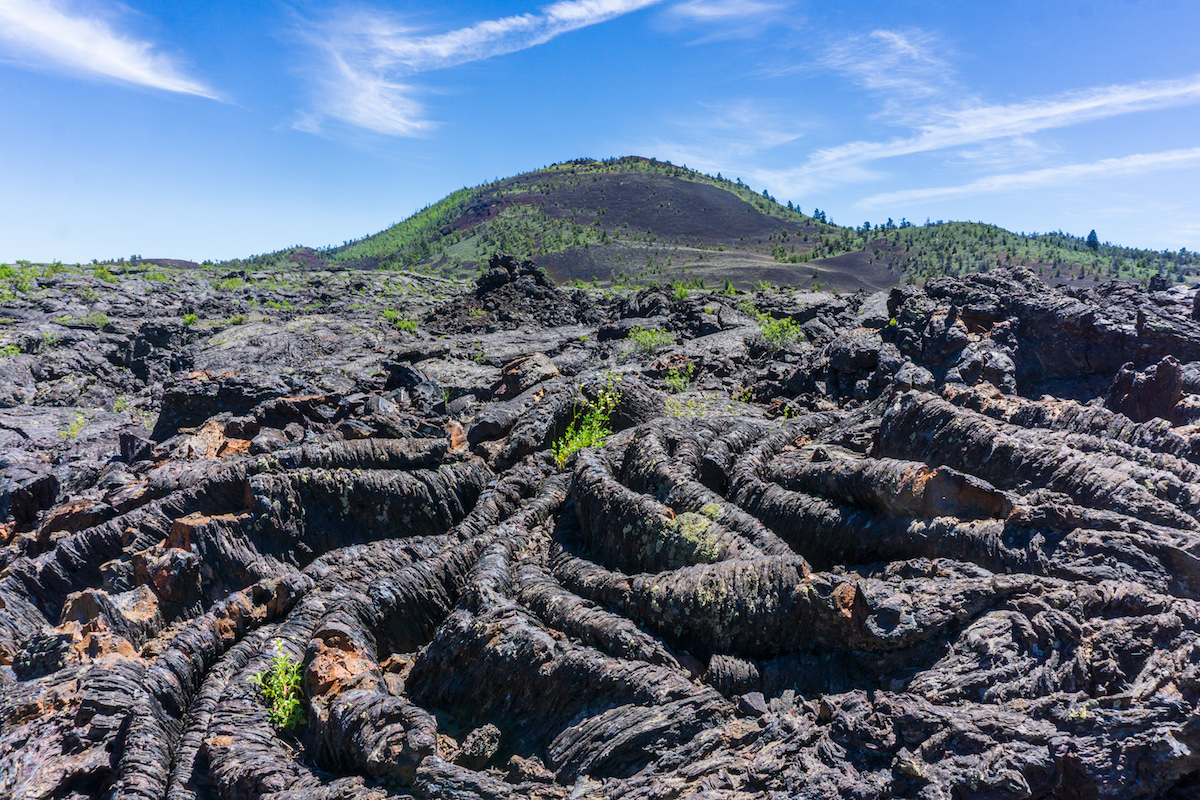
The main attraction at Craters of the Moon is its volcanic landscape. You can explore huge lava fields created by eruptions between 15,000 and 2,000 years ago. The park offers several easy-to-moderate trails that let you experience these wonders up close.
| Trail Name | Distance | Main Features |
|---|---|---|
| Devil’s Orchard | 0.5 miles | Unusual rock formations, interpretive signs |
| Inferno Cone | 0.4 miles | 360-degree views, short steep climb |
| North Crater Trail | 3.5 miles | Crater views, lava flows, challenging terrain |
Inferno Cone is especially popular. The climb is short but steep. At the top, you get a stunning view of the surrounding craters and lava fields. Devil’s Orchard is good for families and those wanting a gentle walk. North Crater Trail takes you deeper into the volcanic landscape, with close-up views of giant craters and rugged lava rocks.
Caving Adventures: Exploring Lava Tubes
One of the most exciting activities is exploring lava tubes. These underground caves were formed by flowing lava. Four main caves are open to visitors: Indian Tunnel, Dewdrop Cave, Boy Scout Cave, and Beauty Cave.
| Cave Name | Length | Difficulty |
|---|---|---|
| Indian Tunnel | 800 feet | Easy, walk-through |
| Dewdrop Cave | Short | Easy, small entrance |
| Boy Scout Cave | Medium | Challenging, crawling required |
| Beauty Cave | Medium | Moderate, dark and cool |
Indian Tunnel is the most accessible. You can walk upright through most of it. Boy Scout Cave is colder and rougher; you need a flashlight and should be ready to crawl. Always bring a good light, wear sturdy shoes, and check cave conditions at the visitor center before entering.

Credit: visitidaho.org
Unique Features And Attractions
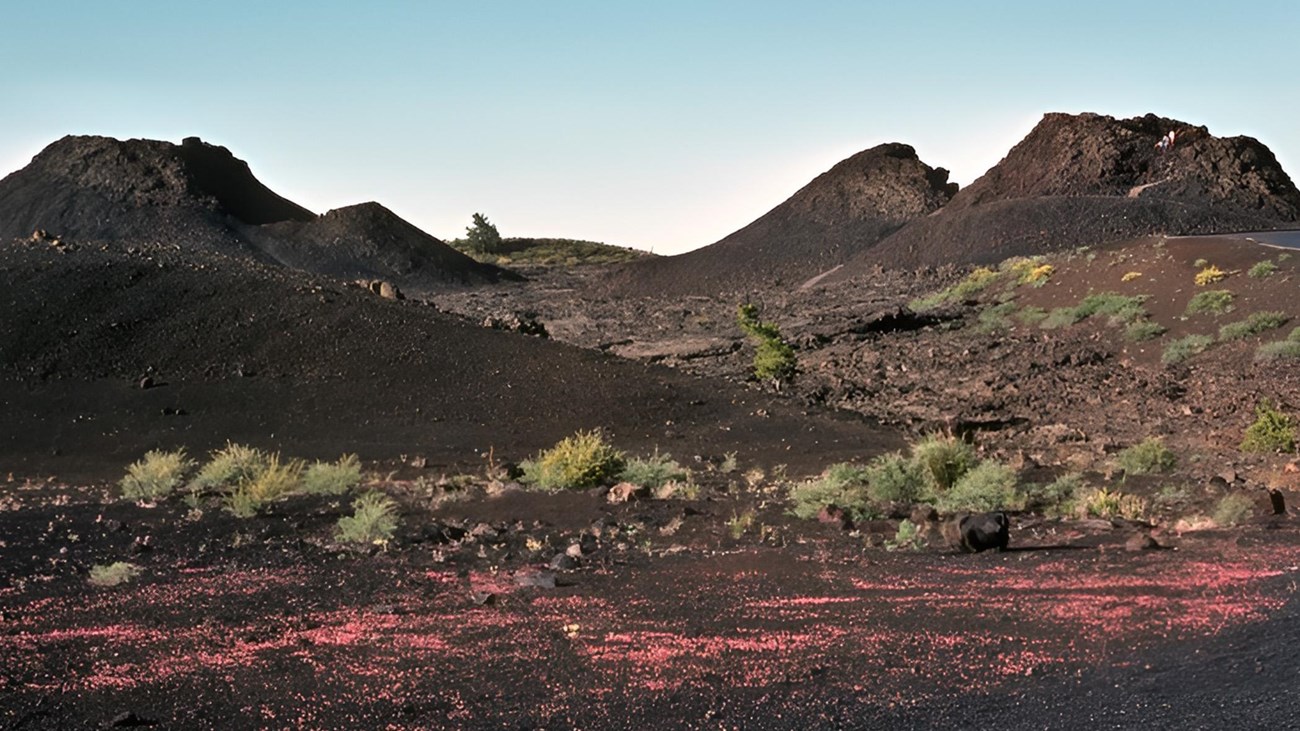
Besides lava fields and caves, Craters of the Moon has other unique attractions. The park’s landscape is dotted with spatter cones, which are small, steep-sided volcanoes formed by sticky lava. You can walk up to these cones and look inside.
The park also has a wildflower season in late spring. Bright yellow, purple, and white flowers bloom across the black rocks, making for beautiful photos. Another highlight is the park’s dark skies. Because it is far from cities, Craters of the Moon is one of the best places for stargazing in the US. On clear nights, you can see the Milky Way and even spot planets.
Many visitors miss the Rim Trail. It’s a short hike near the entrance that gives a great overview of the landscape. For families, the Visitor Center offers hands-on exhibits and ranger-led programs. These activities help you understand the geology, history, and wildlife of the park.
Wildlife And Nature Watching
Although the park looks barren, it is home to many animals. You might see pronghorn antelope, rabbits, lizards, and even bats. Early morning and late evening are the best times for wildlife watching. Birdwatchers can spot hawks, owls, and songbirds that nest in the lava rocks.
The park’s ecosystem is fragile. Stay on marked trails to protect plants and animals. Water is scarce, so bring enough for your hike. If you visit in summer, temperatures can reach over 90°F (32°C), so wear sun protection.
Credit: www.nps.gov
Practical Tips For Visitors
To make the most of your trip, plan ahead:
- Check the park website for current conditions and cave closures.
- Bring plenty of water, snacks, and sunblock.
- Wear sturdy shoes and layered clothing—the weather can change quickly.
- Stop at the Visitor Center for maps, advice, and updates.
- If you want to camp, reserve early. The campground fills up fast in summer.
Many visitors underestimate the distances between attractions. The park is large, and some areas require driving. Make sure your car has enough gas, and never leave valuables unattended.
| Activity | Best Season | Tips |
|---|---|---|
| Hiking | Spring/Fall | Cooler temps, fewer crowds |
| Caving | Summer | Check cave openings |
| Stargazing | Year-round | Bring a blanket and binoculars |
| Wildflower Viewing | Late Spring | Peak bloom after snowmelt |
Frequently Asked Questions
Is Craters Of The Moon Safe For Families?
Yes, the park is generally safe for families. Many trails are easy, and the Visitor Center has educational displays. For cave exploration, children should be supervised and wear proper gear.
Do I Need A Permit To Explore Lava Tubes?
Permits are required for cave entry. You can get one at the Visitor Center after a short safety briefing. This helps protect both visitors and the caves.
What Is The Best Time To Visit Craters Of The Moon?
Late spring and early fall are best. The weather is mild, and wildflowers are blooming. Summer can be very hot, but the caves stay cool.
Are Pets Allowed In The Park?
Pets are allowed in parking areas and campgrounds but not on trails or inside caves. The lava rocks can harm their paws, so keep them safe.
How Did Craters Of The Moon Get Its Name?
The name comes from explorers who thought the landscape looked like the surface of the moon. The park’s unique volcanic features inspired this comparison.
Craters of the Moon offers a rare chance to see volcanic history and raw nature in one place. Whether you hike, explore caves, or simply enjoy the views, you’ll find something memorable. For more details and maps, visit the National Park Service official site. Plan your trip well, respect the environment, and prepare for an adventure you won’t forget.
Credit: www.itstartedoutdoors.com
