
Planning a camping trip can be exciting, but the actual experience depends on more than just picking a spot and packing a tent. Every camper, from first-timers to seasoned adventurers, faces unique factors that shape their time outdoors. Some of these are obvious—like the weather or how much food you bring—while others are easy to overlook until they cause trouble.
Understanding these details can mean the difference between a relaxing getaway and a stressful ordeal. Let’s explore the main factors that could affect your camping experience, so you can get outside with confidence and create memories for the right reasons.
Location And Campsite Selection
Where you decide to camp is the foundation of your entire experience. The right spot can offer peace, safety, and natural beauty, while a poor choice might bring discomfort or even danger.
Accessibility
Not all campsites are easy to reach. Some require long hikes, steep climbs, or driving on rough roads. Before you choose a location, check if it suits your fitness level and the time you have. Remote spots may offer more privacy, but they’re harder to leave in emergencies.
For families, sites near parking areas can be a practical choice.
Terrain And Ground Conditions
The surface you camp on matters. Flat, dry ground is ideal for tents. Avoid camping in low areas where water can collect if it rains. Rocky or uneven ground makes sleeping uncomfortable and can damage gear. Always look for signs of flooding or animal trails, which can bring surprises at night.
Proximity To Water
Having a water source nearby is convenient for cooking, cleaning, and drinking. However, camping too close to rivers or lakes can attract insects and wildlife. Sites at least 200 feet from water are safer and follow Leave No Trace principles.
Legal Restrictions And Permits
Many parks and forests require permits or have rules about where you can camp. Ignoring these can lead to fines or being asked to move. Always check local regulations before heading out.
Environmental Impact
Consider the impact your group might have. Popular sites may be crowded or damaged. Choosing less-used areas helps preserve nature, but you must be careful not to create new damage.
Weather And Climate
Weather can be unpredictable, and even a short trip can be affected by changes in temperature, wind, or rain.
Temperature
Check the forecast for both day and night. It’s common for temperatures to drop sharply after sunset, even in summer. Bring layers so you can adjust your clothing. Hypothermia is a risk if you underestimate the cold.
Rain And Storms
Rain can turn a fun trip into a wet, miserable experience. Waterproof gear and tarps are essential. Know how to set up your tent to avoid leaks, and always check for potential flooding areas before pitching your tent.
Wind
Strong winds can damage tents and blow away gear. Secure all items and use strong stakes for your tent. Avoid camping under dead trees or branches, which can fall in high winds.
Sun And Uv Exposure
High sun exposure increases the risk of sunburn and heat exhaustion. Bring sunscreen, hats, and sunglasses. Set up your camp to allow for shade during the hottest parts of the day.
Microclimates
Some locations, like valleys or near water, may have their own mini-climates. Fog, sudden cold air, or dew are common. Local advice or ranger stations can offer useful warnings.
Gear And Equipment
The gear you bring is your main defense against nature’s challenges. Missing or faulty equipment often leads to discomfort or safety risks.
Tent Quality And Size
A waterproof, wind-resistant tent is a must. Choose a size that fits your group with some extra space for gear. Cheap tents may leak or break in bad weather.
Sleeping Bags And Mats
Sleeping directly on the ground is cold and uncomfortable. Good sleeping bags are rated for the lowest temperature you expect. Mats or pads provide insulation and cushioning.
Cooking Gear
Plan your cooking method: stove, campfire, or cold meals. Fuel, matches, and pots should all be in working order. Test new equipment at home before your trip.
Lighting
Headlamps and lanterns are safer than open flames and allow you to move around camp easily. Always bring extra batteries.
First Aid And Repair Kits
A well-stocked first aid kit is crucial for dealing with cuts, stings, or burns. Duct tape, a multitool, and spare tent parts handle most gear repairs.
Clothing
Pack for all possible conditions. Quick-dry, moisture-wicking fabrics work best. Extra socks and rain gear can save a trip.
Backup Essentials
Always have a backup plan for key items: extra food, a second light source, and water purification tablets.
Data Table: Essential Gear Comparison
Here’s a quick look at the difference between basic and advanced gear options.
| Gear Item | Basic Option | Advanced Option | Impact on Experience |
|---|---|---|---|
| Tent | Simple 2-season | 4-season, waterproof | Handles storms, more comfort |
| Sleeping Bag | Summer bag (40°F) | 3-season bag (20°F) | Comfortable in cold nights |
| Lighting | Flashlight | Headlamp, lantern | Hands-free, brighter camp |
| Cooking | Single-burner stove | Multi-burner or campfire kit | Faster meals, more options |
Food And Water Management
What you eat and drink outdoors affects your energy, safety, and enjoyment. Poor planning leads to hunger, fatigue, or even illness.
Meal Planning
Plan all your meals and snacks before the trip. Bring foods that are easy to prepare, lightweight, and high in energy. Examples include instant oatmeal, pasta, jerky, nuts, and dried fruits.
Food Storage
Keeping food away from animals is essential. Use bear-proof containers if required. Hang food bags from trees if bears or raccoons are common. Never store food in your tent.
Water Supply
Do not rely on natural water sources being safe. Always bring enough clean water or a reliable filter or purification tablets. Dehydration is common, especially in hot or high-altitude locations.
Cooking And Clean-up
Choose simple recipes and minimize the number of pots and utensils. Clean up thoroughly to avoid attracting wildlife. Carry out all food scraps and packaging.
Table: Water Treatment Methods
Comparing common water purification methods can help you choose the best one for your trip.
| Method | Pros | Cons | Best For |
|---|---|---|---|
| Boiling | Reliable, kills all germs | Time-consuming, uses fuel | Base camps |
| Filters | Quick, removes debris | Bulky, can clog | Group trips |
| Purification Tablets | Lightweight, simple | Taste, takes 30+ min | Backpacking |
| UV Purifiers | Fast, effective | Needs batteries, clear water only | Short trips |
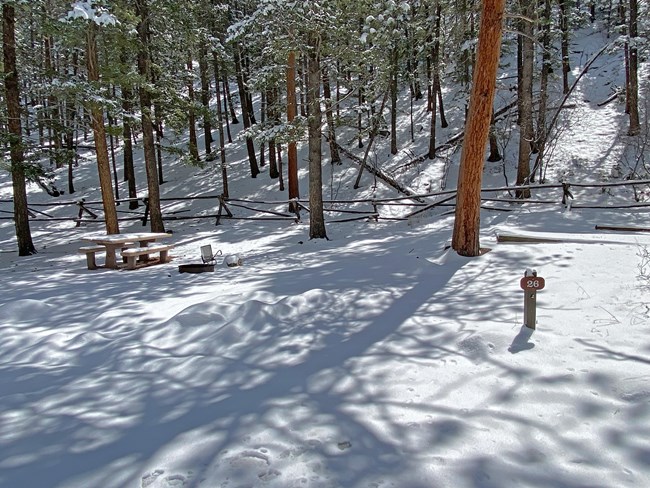
Credit: www.nps.gov
Health And Safety
Many campers forget about basic health and safety until a problem arises. A little preparation goes a long way to prevent accidents and illness.
First Aid Knowledge
Know how to use your kit. Learn to treat common injuries such as blisters, cuts, and burns. Take a basic first aid class if you camp often.
Personal Hygiene
Bring hand sanitizer, toilet paper, and a small shovel for digging cat holes if there are no toilets. Dirty hands are a common cause of stomach illness.
Wildlife Awareness
Research the animals in your camping area. Know how to store food, avoid snakes, and identify poisonous plants. In bear country, learn proper bear safety techniques.
Insect Protection
Mosquitoes, ticks, and flies are more than a nuisance—they can carry disease. Use insect repellent, wear long sleeves, and check for ticks daily.
Fire Safety
Fires are part of camping for many, but they bring risks. Only use established fire rings, keep fires small, and never leave them unattended. Always put your fire out completely before sleeping or leaving camp.
Emergency Communication
Cell service is often unreliable in remote areas. Tell someone your plans before you leave. Consider a satellite messenger or emergency beacon for longer trips.
Lightning And Severe Weather
If a storm hits, avoid open fields, tall trees, and metal objects. Move to lower ground if possible. Shelter inside a car is safer than a tent.
Group Dynamics And Social Factors
Camping is often a group activity. How you interact with others can make or break the trip.
Roles And Responsibilities
Assign tasks like cooking, fire-starting, and cleaning before arriving. This avoids confusion and ensures all jobs are done. Rotate roles to keep things fair and fun.
Group Size
Larger groups need more organization and planning for food, gear, and space. They can also impact the environment more, so consider splitting into smaller groups if possible.
Compatibility
Make sure everyone in your group agrees on the trip’s goals—relaxation, adventure, or sightseeing. Conflicting expectations can lead to tension.
Communication
Discuss plans and safety rules with the group. Have a way to signal if someone gets lost. Group chats or walkie-talkies can be helpful.
Table: Common Group Camping Challenges
Some group issues are more common than others. Here’s a quick comparison.
| Issue | Cause | Prevention |
|---|---|---|
| Uneven work load | Poor task assignment | Assign roles early, rotate tasks |
| Noise complaints | Different sleep schedules | Discuss quiet hours |
| Lost members | Poor communication | Set check-in times, use signals |
| Food shortages | Poor meal planning | Plan together, bring extras |
.JPG)
Credit: www.lambcity.com
Personal Fitness And Experience Level
Your physical condition and camping experience shape what you can handle outdoors.
Physical Fitness
Some campsites require long hikes or carrying heavy packs. Assess your group’s physical limits honestly. Overestimating can lead to exhaustion or injury.
Experience With Gear
New campers often struggle with setting up tents, starting fires, or using stoves. Practice at home before your trip. Watch online tutorials if needed.
Fear And Comfort Zones
Sleeping in the wild can be unsettling for beginners. Choose less remote sites at first. Gradually build confidence by taking more challenging trips over time.
Children And Special Needs
Kids and people with medical needs require extra planning. Bring familiar foods, comfort items, and any necessary medications. Choose accessible campsites with amenities.
Environmental And External Factors
Nature is full of surprises, and sometimes outside factors can change your plans.
Wildlife Activity
Animal patterns change with the season. Know if you’re camping during mating or migration times, which can increase encounters. Respect all wildlife and keep your distance.
Bugs And Pests
Ticks, ants, and flies are common in some areas and seasons. Mesh screens and insect-proof clothing help. Store food tightly to avoid attracting them.
Seasonal Changes
Spring brings rain and mud; fall can mean cold nights and early darkness. Research the best time for your chosen spot.
Natural Hazards
Be aware of risks like landslides, flash floods, or wildfires. Check local news or park alerts before your trip. In some areas, earthquakes or avalanches are possible.
Human Impact
Other campers can affect your experience. Crowded sites may be noisy or less clean. Consider less popular locations if you want peace and quiet.
Technology And Connectivity
While camping is about disconnecting, some technology can improve safety or comfort.
Navigation
GPS devices, smartphones, and old-fashioned maps help you find your way. Download maps for offline use before losing service.
Power Needs
Cameras, lights, and phones need charging. Solar chargers or power banks work well. Don’t depend on outlets being available.
Entertainment
Books, cards, and small games are good for downtime, especially if bad weather keeps you in your tent.
Over-reliance On Tech
Don’t rely on technology for everything. Batteries die, and devices break. Always have backup plans—like paper maps or written instructions.
Regulations And Social Responsibility
Respect for rules and nature protects both you and the environment.
Leave No Trace Principles
Follow these seven basics:
- Plan ahead and prepare
- Travel and camp on durable surfaces
- Dispose of waste properly
- Leave what you find
- Minimize campfire impact
- Respect wildlife
- Be considerate of others
Leaving no trace keeps areas beautiful for the next group.
Fire Restrictions
Many places ban campfires during dry seasons. Check current rules and bring a stove if needed.
Noise And Behavior
Keep noise low, especially at night. Respect the peace of the outdoors and other campers.
Waste Disposal
Pack out all trash, including food scraps. Use toilets or dig proper holes at least 6-8 inches deep for human waste.
Cultural And Local Customs
Some parks are sacred to local communities. Learn and respect their traditions and rules.
Budget And Costs
Camping is often seen as a low-cost vacation, but expenses can add up.
Gear Investment
High-quality gear lasts longer and improves safety, but costs more upfront. Renting or borrowing is an option for beginners.
Permits And Fees
Some parks charge for entry, parking, or campsites. Check costs early and factor them into your budget.
Food And Supplies
Pre-packaged camp food is convenient but expensive. Prepare your own meals to save money.
Transportation
Getting to remote sites may require extra gas or even special vehicles. Carpooling saves money and reduces environmental impact.
Unexpected Expenses
Plan for emergencies—like lost gear, medical needs, or weather delays. A small cash reserve is smart.
Two Non-obvious Insights For Campers
- Microclimate awareness is often missed. Even a small shift in location (like moving from a hilltop to a valley) can result in a big temperature or moisture difference. Always look for subtle local climate signs, like different plant life or fog, and adjust your gear and site choice accordingly.
- Backup water treatment is a lifesaver. Even if you plan to bring enough water, unforeseen events (like spilled bottles or longer stays) can happen. Having a secondary purification method—like tablets in addition to a filter—can keep you safe from dehydration.

Credit: www.outdoorgearlab.com
Frequently Asked Questions
What’s The Best Way To Keep Food Safe From Animals While Camping?
Store all food in bear-proof containers or hang it from a tree at least 10 feet off the ground and 4 feet from the trunk. Never keep food in your tent. Clean up all crumbs and packaging, and dispose of waste properly.
How Do I Choose The Right Sleeping Bag For My Trip?
Check the temperature rating on the sleeping bag. Choose one rated for at least 10°F lower than the coldest temperature you expect. Consider sleeping pads for extra warmth and comfort.
What Should I Do If I Get Lost While Camping?
Stay calm. Stop moving, try to retrace your steps, and use a whistle to signal for help. If you have cell service, call for assistance. Always let someone know your route before you leave. Carry a map and compass as backups.
How Can I Reduce My Environmental Impact While Camping?
Follow Leave No Trace principles: stay on marked trails, camp in established spots, carry out all trash, and respect wildlife. Avoid damaging plants or disturbing animals. Use biodegradable soaps and minimize campfire use.
Where Can I Find Reliable Camping Safety Updates?
Check official park websites, ranger stations, or trusted outdoor sources like the National Park Service for the latest alerts, weather, and safety tips.
Camping brings people closer to nature, but success depends on careful planning and respect for the environment. By considering these factors and preparing for the unexpected, you can create a safer, more enjoyable adventure. Remember: the best camping trips are those where the only surprises are the beautiful ones.
