
Have you ever noticed those silky webs hanging from the branches of your trees and wondered when those tent caterpillars will show up again? If you want to protect your garden or simply understand these curious insects better, knowing how often tent caterpillars come out is key.
This guide will help you spot their patterns, so you’re never caught off guard. Keep reading to discover exactly when these pests emerge and how you can stay one step ahead.

Credit: en.wikipedia.org
Tent Caterpillar Life Cycle
The tent caterpillar life cycle shows how these insects grow and change. They pass through four main stages. Each stage lasts a certain time. Understanding this cycle helps explain how often tent caterpillars appear.
The cycle starts in spring and repeats yearly. Tent caterpillars go from eggs to larvae, then pupae, and finally adult moths. Each phase is important for their survival and growth.
Egg Stage Timing
Tent caterpillars begin as eggs laid in late summer. The eggs stay on tree branches all winter. They hatch in early spring. This timing protects eggs from cold and predators.
Larvae Emergence
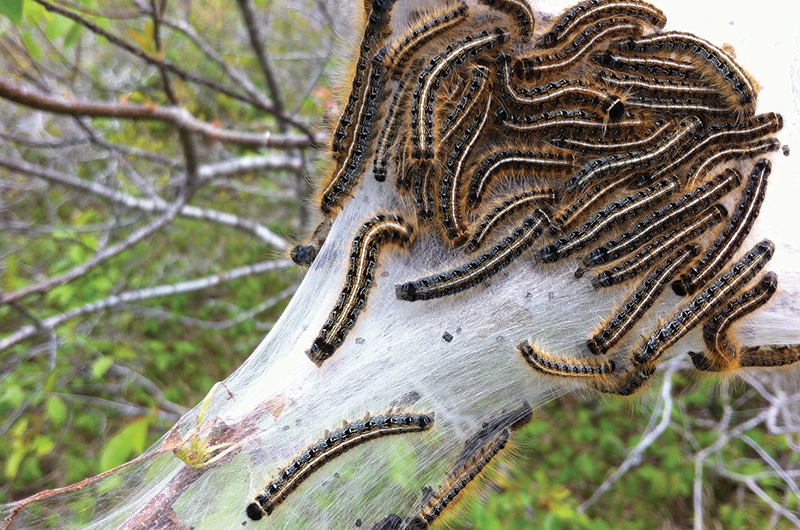
Larvae, or caterpillars, come out soon after eggs hatch. They build silk tents in tree branches. They eat leaves to grow fast. This stage lasts about four to six weeks.
Pupation Period
After growing, larvae stop eating and form cocoons. Inside, they change into pupae. This stage takes about two weeks. Pupation happens on or near the host tree.
Adult Moth Phase
Adult moths emerge from pupae in late spring or early summer. They live only a short time to mate and lay eggs. After this, the cycle starts again.

Credit: gardening.usask.ca
Seasonal Patterns
Tent caterpillars show clear seasonal patterns in their activity. These patterns help us understand when they are most visible and when they hide away. Their life cycle follows the changes in weather and temperature.
Knowing these seasonal habits helps gardeners and homeowners manage tent caterpillars better. Each season brings different behaviors and stages in their life.
Spring Activity
Tent caterpillars hatch in early spring. They build silk tents in tree branches. These tents protect them from predators and cold weather. During spring, caterpillars feed heavily on leaves. This is their main growth period before they become moths.
Summer Behavior
By early summer, caterpillars leave their tents. They enter the pupal stage inside cocoons. During this time, they do not eat or move much. Adult moths emerge later in summer. Moths fly, mate, and lay eggs for the next generation.
Fall And Winter Dormancy
Eggs laid in late summer stay dormant in fall and winter. They look like small, hard bands on tree branches. The eggs survive cold weather until spring. No caterpillar activity occurs during these cold months.
Factors Influencing Emergence
Tent caterpillars do not emerge randomly. Several key factors affect when they come out. These factors help caterpillars survive and find food. Understanding them explains the timing of their appearance.
Their emergence depends on nature’s signals and challenges. Temperature, tree health, and threats from other animals all play roles. Each factor changes the caterpillar’s life cycle in different ways.
Temperature Effects
Temperature controls how fast tent caterpillars develop. Warm weather speeds up their growth. Cold weather slows it down. If spring is warm early, caterpillars hatch sooner.
Sudden cold snaps can delay their appearance. They need steady warmth to break from their eggs. This makes temperature one of the strongest triggers for their timing.
Host Tree Conditions
Tent caterpillars rely on certain trees for food. Healthy trees with fresh leaves attract more caterpillars. Trees under stress may produce fewer leaves or poor quality food.
Caterpillars may delay emerging if their host trees do not have enough leaves. Good tree health means better food and more caterpillars. Poor conditions can reduce their numbers and timing.
Predation And Parasites
Birds, insects, and parasites hunt tent caterpillars. High predator activity can change when caterpillars emerge. They might come out earlier or later to avoid threats.
Parasites also reduce caterpillar populations. This affects how many appear each season. Natural enemies shape the timing and success of their emergence.
Regional Variations
Tent caterpillars do not emerge at the same time everywhere. Their appearance depends on the region. Different areas have different climates and environments. These factors affect when tent caterpillars come out.
Climate Differences
Temperature plays a big role in caterpillar activity. Warmer regions see tent caterpillars earlier in spring. Cooler areas have a later start. Rainfall also matters. More rain can speed up or slow down their growth. Dry places may delay their emergence. Each climate creates a unique timeline for caterpillars.
Geographical Impact
Altitude and landscape shape caterpillar cycles. Higher elevations often mean cooler weather. Caterpillars in mountains come out later than those in valleys. Forests provide shelter and food, helping caterpillars grow faster. Urban areas with fewer trees might see fewer caterpillars. The geography affects their life stages and timing.
Managing Tent Caterpillar Populations
Managing tent caterpillar populations is important for protecting trees and gardens. These insects can damage leaves quickly. Controlling their numbers helps keep plants healthy. Early action can reduce the harm they cause. Understanding how to watch and control them is key.
Monitoring Techniques
Check trees regularly for tent caterpillar eggs and webs. Look for silky tents in tree branches. Inspect leaves for small caterpillars feeding. Use a flashlight at night to spot caterpillars. Record the number and size of webs. Early detection helps plan control steps.
Control Methods
Remove and destroy caterpillar tents by hand when possible. Use pruning tools to cut off infested branches. Apply insecticidal soap or neem oil on affected areas. Bacillus thuringiensis (Bt) is a natural spray that kills caterpillars. Follow product instructions carefully for safe use. Avoid broad insecticides to protect helpful insects.
Preventive Measures
Keep trees healthy with proper watering and fertilizing. Encourage birds and beneficial insects that eat caterpillars. Remove debris and fallen leaves where eggs might hide. Plant tree varieties less attractive to tent caterpillars. Regular monitoring helps catch infestations early. Prevention reduces the need for strong controls.
Credit: yesterdaysisland.com
Frequently Asked Questions
How Often Do Tent Caterpillars Emerge Yearly?
Tent caterpillars typically emerge once a year in early spring. They hatch as temperatures rise and food sources become available. This annual emergence aligns with their life cycle and environmental conditions.
When Do Tent Caterpillars Usually Appear In Spring?
Tent caterpillars usually appear in late March or early April. They hatch soon after tree buds start to open. This timing ensures they have fresh leaves to feed on.
How Long Do Tent Caterpillars Stay Active?
Tent caterpillars remain active for about 4 to 6 weeks. During this period, they feed, grow, and build silk tents. Afterward, they pupate and transform into moths.
Do Tent Caterpillars Come Out Multiple Times Per Year?
No, tent caterpillars emerge only once annually. Their life cycle completes in one season, from egg hatch to moth emergence. Multiple yearly emergences do not occur.
Conclusion
Tent caterpillars usually come out once a year in early spring. They stay active for a few weeks before turning into moths. Knowing their timing helps protect trees and gardens. Watch for egg masses in late fall or winter. Removing them early can reduce damage.
Stay alert each year around the same time. This simple step keeps your plants healthier and safer. Keep an eye on nature’s cycle to manage pests well. It’s easier than you think.
