
Hiking with a tent is a true adventure. It lets you sleep under the stars and explore nature without limits. But carrying a tent can feel difficult, especially if you are new to hiking or camping. If you pack your tent wrongly, you may feel tired fast or even hurt your back.
This guide will help you learn how to carry a tent while hiking so you stay comfortable and safe. With the right tips, anyone can handle their tent like a pro.
Choosing The Right Tent For Hiking
Picking the right tent makes everything easier. Lightweight tents are best for hiking. Most hikers use tents that weigh between 1.5 kg and 2.5 kg (3–5 lbs). Heavier tents can make hiking hard, especially on long trips.
Look for tents made from durable but light materials like nylon or polyester. Check the packed size; a tent that fits easily inside or outside your backpack is a smart choice. Some tents are designed to fit inside hiking backpacks, while others are meant to be attached outside.
Here’s a quick comparison of tent types popular with hikers:
| Type | Weight (kg) | Packed Size (cm) | Best For |
|---|---|---|---|
| Ultralight | 1.2 | 30 x 12 | Solo hiking |
| Backpacking | 2.0 | 40 x 15 | 2-3 people |
| Family | 4.5 | 55 x 25 | Group trips |
If you are unsure, visit a store and ask for tents made for backpacking. The wrong tent can make your trip much harder.
Packing Your Tent: Inside Or Outside?
Deciding where to pack your tent is important. You have two main choices: inside your backpack or outside your backpack.
Inside Your Backpack
Packing your tent inside keeps it protected from rain, dirt, or damage. Place it near the middle or bottom of your pack. This keeps weight close to your back and low, which is better for balance.
Most hikers pack their tent after heavy items like a sleeping bag. This helps keep your backpack stable. Make sure your tent is dry before packing, or it can soak other gear.
Outside Your Backpack
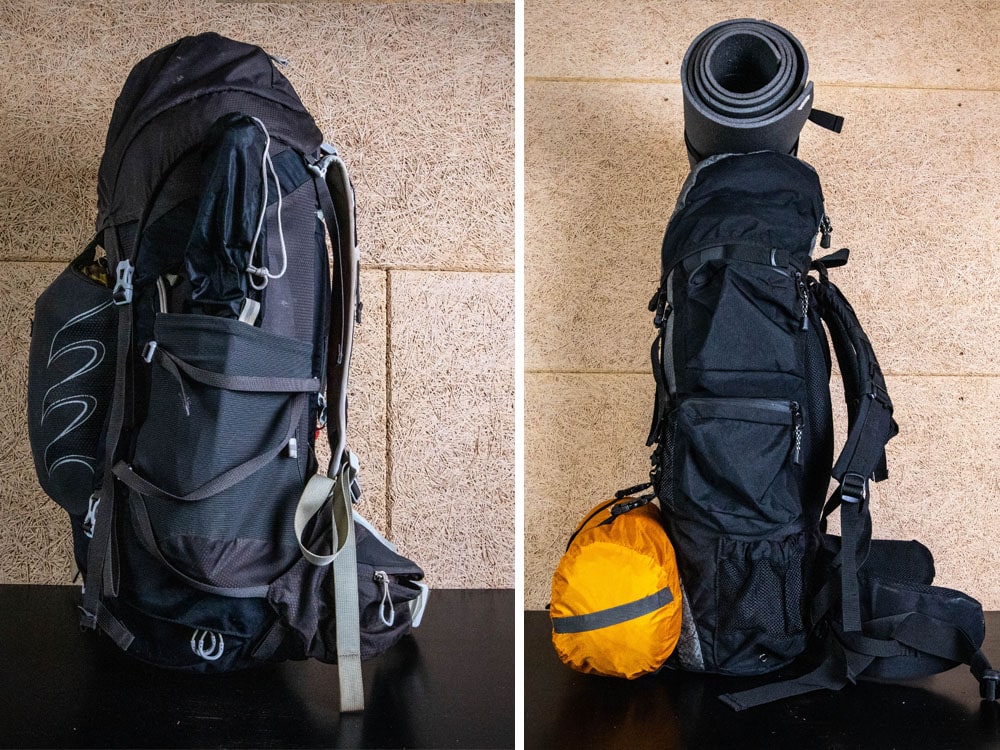
If your tent does not fit inside, attach it outside using straps or loops. Many backpacks have special lash points for tents. Be careful: tents outside can get wet, dirty, or snagged on branches.
When you carry your tent outside, use a waterproof bag to protect it. Always check if your tent is secure, so it does not swing or slip while you walk.
| Packing Method | Pros | Cons |
|---|---|---|
| Inside | Dry & safe Better balance |
Needs enough space |
| Outside | Saves space Easy access |
Can get wet Less balanced |
Credit: hikemuch.com
How To Attach A Tent Securely
When carrying your tent outside, attaching it correctly is key. Follow these steps:
- Compress your tent: Roll or fold it tightly. Use straps or the tent bag to keep it small.
- Use backpack straps: Place the tent under horizontal straps or lash points. Tighten straps so the tent does not move.
- Check weight distribution: Attach the tent low on the pack, close to your back. This helps balance and reduces strain.
- Use a dry sack: If rain is possible, use a waterproof sack. This keeps your tent dry and clean.
- Avoid sharp objects: Make sure the tent does not sit near sharp tools or rough surfaces. This prevents damage.
Many beginners forget to balance their tent. A tent hanging far from your back can pull you backward, making hiking harder. Always double-check before you start walking.
Tips For Carrying A Tent Comfortably
Even with the best tent, you can feel tired if you do not carry it well. Here are some tips for a comfortable hike:
- Pack heavy items low: Keep your tent and other heavy gear close to your hips, not high on your back.
- Distribute weight evenly: Use the backpack’s hip belt and shoulder straps to spread the weight.
- Keep your tent dry: Wet tents are heavier and can soak your other gear. Pack a small towel to dry your tent before packing.
- Check your pack often: Stop every 1–2 hours to adjust straps and check if your tent is secure.
- Practice at home: Try packing your tent and carrying your backpack around your house before hiking. This helps you learn what feels best.
Many hikers do not realize that a small adjustment can make a big difference. Moving your tent just a few centimeters lower can take strain off your shoulders.

Credit: www.youtube.com
Common Mistakes And How To Avoid Them
Some mistakes make hiking harder than it needs to be. Avoid these common problems:
- Packing a wet tent: Always dry your tent before packing. Wet tents can cause mold and make your pack heavier.
- Ignoring balance: Attaching the tent too high or too far from your back can hurt your balance.
- Loose straps: If your tent is not strapped tightly, it can swing and make you unstable.
- Overpacking: Carrying too much gear makes hiking harder. Only bring what you need.
- Forgetting rain protection: Always use a waterproof cover if rain is possible.
One insight many beginners miss: tents can be split between hikers. If you hike with friends, divide tent parts (poles, fabric, stakes) so each person carries a lighter load.
Real-life Example: A Weekend Hike
Let’s look at a real example. Anna is planning a weekend hike with her friend. She chooses a backpacking tent weighing 2 kg. The tent fits inside her backpack, but her friend’s backpack is smaller. They decide to split the tent.
Anna carries the tent fabric, while her friend carries the poles and stakes. This makes the load lighter for both. They use waterproof sacks to protect the tent parts. On the trail, they check every hour if the tent is secure.
Their hike is easier and more comfortable because they planned ahead.
Tent Carrying Accessories
Some accessories can help you carry your tent better:
- Compression sacks: Make your tent smaller and easier to pack.
- Waterproof bags: Protect your tent from rain and mud.
- Extra straps: Secure tents outside your backpack.
- Hip belt pads: Make carrying heavy loads more comfortable.
These items do not cost much but can improve your hiking experience. If you want to learn more about hiking gear, check this helpful guide from REI.
Frequently Asked Questions
How Heavy Should A Tent Be For Hiking?
Most hikers choose tents that weigh between 1.5 kg and 2.5 kg (3–5 lbs). Lighter tents are easier to carry but may be less durable.
Is It Better To Pack A Tent Inside Or Outside The Backpack?
Packing inside is safer for the tent and keeps your gear dry. Packing outside saves space but risks getting wet or damaged.
How Can I Protect My Tent From Rain While Hiking?
Use a waterproof dry sack or tent cover. Always pack your tent dry if possible.
Can I Split The Tent Between Hikers?
Yes, splitting tent parts (fabric, poles, stakes) is a smart way to reduce weight and make hiking easier for groups.
What Should I Do If My Tent Does Not Fit In My Backpack?
Attach it outside using strong straps and a waterproof bag. Make sure it is secure and balanced.
Carrying a tent while hiking is easy with the right planning. Choose the best tent, pack it smart, and use helpful accessories. Avoid common mistakes and learn from real-life examples. With these tips, your hiking trip will be more fun and comfortable.

Credit: exploringwild.com
