
Picture this: a perfect, lazy afternoon. You want to relax outside in your hammock, but there are no trees in sight. Many people think hammocks and trees go hand in hand. In reality, you can hang a hammock almost anywhere—even in a treeless yard, a beach, or a tiny balcony—if you know the right methods. Whether you’re camping in the desert, setting up in your backyard, or just want a fresh spot to chill, you have more options than you think.
This guide explains everything about how to hang a hammock without trees. You’ll learn about different supports, creative solutions, and safety details that beginners often miss. We’ll look at cost, portability, and which methods work best for different situations. If you want to turn any space into a relaxation zone, keep reading.
Why Hang A Hammock Without Trees?
There are many reasons you might want to set up a hammock where there are no trees:
- You live in an urban area with no big trees.
- You want to relax on a beach, desert, or open field.
- Your backyard trees are too young or too far apart.
- You need a portable option for travel or camping.
- You want to hang a hammock indoors or on a balcony.
No-trees hammock setups are more popular than you might think. According to a 2022 survey by the Outdoor Industry Association, over 30% of hammock users have set up their hammock in locations without trees at least once. With the right approach, you can enjoy hammock comfort almost anywhere.
Choosing The Right Hammock
Before you focus on supports, it’s important to select the right hammock for your setup. Not all hammocks work well with every structure. Consider these factors:
Size
Measure your space. Most hammocks range from 8 to 15 feet in length. For small patios, choose shorter hammocks. For large yards, longer hammocks offer more lounging space.
Material
- Cotton: Soft and breathable, great for indoor or gentle outdoor use.
- Nylon/Polyester: Durable, weather-resistant, quick-drying. Ideal for outdoor and portable setups.
Style
- Spread bar hammocks: Flat, less cocoon-like, need stable support.
- Parachute hammocks: Gathered ends, lightweight, suited for portable frames or posts.
The right hammock ensures comfort and safety, no matter which support method you choose.
Popular Methods To Hang A Hammock Without Trees
There are several creative and practical ways to hang a hammock without trees. Each has its own benefits and challenges.
1. Hammock Stands
Hammock stands are portable frames designed for hammocks. They’re the easiest way to set up a hammock anywhere—no tools or special skills needed.
Types Of Hammock Stands
| Type | Best For | Pros | Cons |
|---|---|---|---|
| Metal Stand | Backyard, patio, indoors | Strong, weather-resistant | Heavy, less portable |
| Wooden Stand | Garden, patio | Stylish, sturdy | Bulky, can rot if not treated |
| Portable Folding Stand | Camping, travel | Lightweight, easy to set up | Lower weight limit |
How To Use
- Unpack and assemble the stand per the manufacturer’s instructions.
- Adjust the stand’s length to fit your hammock.
- Attach the hammock’s loops or carabiners to the stand hooks.
- Test the setup for stability before sitting.
Insights
Most beginners forget to check the weight limit. Always check if your stand supports your body weight plus extra (at least 20% more). Also, place the stand on level ground to prevent tipping.
2. Posts In The Ground
If you have outdoor space, installing two strong posts is a long-lasting solution.
Materials Needed
- Two 4×4 wooden or metal posts (8–10 feet long)
- Concrete (about 2 bags per post)
- Post hole digger or shovel
- Tape measure, level, and anchor hardware
Step-by-step Instructions
- Plan: Measure the distance—ideally 10–15 feet apart.
- Dig: Make two holes at least 2–3 feet deep.
- Set Posts: Place each post in a hole, making sure it’s vertical.
- Pour Concrete: Fill around posts, let set for 24–48 hours.
- Attach Hardware: Use heavy-duty eye bolts or hooks about 4–6 feet above ground.
- Hang Hammock: Clip or tie your hammock to the anchors.
Data
Properly installed posts can support over 400 lbs. Metal posts last longer but may need rust protection.
Common Mistake
People often set posts too close or too far. Measure your hammock’s length and add 2 feet for ideal spacing.
3. Wall Mounts And Ceiling Anchors
For patios, balconies, or indoors, you can mount a hammock to walls, beams, or ceilings.
How To Install
- Identify strong structural supports (wall studs, ceiling joists, or concrete).
- Use a stud finder to locate beams.
- Drill pilot holes and screw in heavy-duty anchor hooks.
- Attach hammock ends with carabiners or strong rope.
Safety Tip
Never anchor a hammock to drywall alone—it will pull out and cause injury. Always use a structural beam.
Example
A college student in a studio apartment used wall anchors and ceiling hooks to create a reading nook. She chose a lightweight nylon hammock and spaced anchors 10 feet apart along two walls.
4. Using Vehicles
If you’re camping or at the beach, use your car, truck, or SUV as one anchor point.
How To Do It
- Park your vehicle securely with the parking brake on.
- Attach a strong strap or rope to the roof rack, roll bar, or frame (never a side mirror or plastic part).
- Use a portable stand, post, or another vehicle for the other end.
Pro Tip
Place padding under the strap to protect your car’s paint or trim.
5. Building A Diy Tripod Stand
A tripod stand is a smart, cheap, and strong solution. It’s popular among hammock campers.
Materials
- Three 8-foot wooden poles or thick bamboo per tripod (6 total)
- Rope or heavy-duty cord
- One ridgeline pole (optional for extra strength)
Steps
- Lay three poles side by side, tie them together about 1 foot from the top.
- Spread out the legs to create a stable tripod.
- Make a second tripod for the other end.
- If needed, add a horizontal pole between tripods for extra support.
- Hang your hammock between the tripods.
Insights
Tripods are very stable but can be heavy to transport. For more portability, use aluminum tent poles.
6. Hammock Chairs And Swings
If you can’t find space for a full hammock, try a hammock chair. These need only one anchor point.
- Install a ceiling hook, sturdy tree branch, or beam.
- Use a strong hanging kit rated for your weight.
- Great for balconies, porches, and even indoors.
7. Creative Urban Solutions
People in cities use unique methods to hang hammocks:
- Balcony railings: Only if your railing is very strong and well-anchored.
- Heavy-duty shelving units: Some attach hammocks between two shelving racks (test carefully! ).
- Fencing: Attach to steel or concrete fence posts, not thin metal or wood.
Always test any non-standard solution gently before full use.
Comparing Hammock Hanging Methods
To help you choose, here’s a side-by-side look at popular no-tree hammock options:
| Method | Cost | Skill Level | Portability | Best Use |
|---|---|---|---|---|
| Hammock Stand | $$ | Easy | High (folding) | Yard, patio, travel |
| Posts in Ground | $$ | Medium | Low | Permanent outdoor |
| Wall/Ceiling Mounts | $ | Medium | Low | Indoors, balcony |
| Vehicle + Stand/Post | $ | Easy | High | Camping, beach |
| DIY Tripod | $ | Medium | Medium | Camping, backyard |
| Hammock Chair | $ | Easy | High | Small spaces |
Detailed Steps: Building The Best Hammock Support
Let’s dive deeper into two of the most popular and flexible options: hammock stands and DIY posts.
Building A Hammock Stand From Scratch
Making your own stand is rewarding and can save money.
Materials
- Two 4x4x8′ pressure-treated lumber (legs)
- One 2x6x10′ for the top beam
- Four 3/8″ x 6″ carriage bolts with nuts and washers
- Two heavy-duty eye bolts
- Drill, saw, wrench, measuring tape
Instructions
- Cut: Cut the 4x4s to make two upright legs (about 6.5 feet each).
- Notch: Notch the tops of the legs to fit the 2×6 beam.
- Assemble: Bolt the legs to the beam, forming an upside-down “U” at each end.
- Stabilize: Add bracing if needed for extra strength.
- Install Hardware: Screw in eye bolts about 5 feet up the legs.
- Hang: Attach your hammock and test weight.
Safety Insight
Most homemade stands fail because of poor bracing. Use strong, weather-resistant wood and check all bolts before use.
Installing Ground Posts For Hammocks
This method is great for a permanent backyard lounge.
- Mark and dig two holes at least 2.5 feet deep and 12–15 feet apart.
- Place a post in each hole, making sure they’re straight.
- Pour concrete around each post and allow to cure for at least 24 hours.
- Attach strong anchor hooks.
- Hang your hammock, ensuring it sits about 18 inches off the ground when weighted.
Non-obvious Tip
Slope the top of each post cap slightly to shed rainwater—this prevents rot.
Important Safety Considerations
Hammocks are relaxing but only when safe. Here are common safety checks:
- Anchor strength: Make sure all hooks, bolts, and supports are rated for at least double your weight.
- Height: Hang your hammock so the lowest point is 18–24 inches above the ground when you’re inside.
- Clearance: Keep at least 2–3 feet of space below and around your hammock.
- Surface: Avoid hanging over rocks or sharp objects.
- Hardware inspection: Check for rust, cracks, or loose parts before every use.
Weather-proofing Your Hammock Setup
If your setup stays outside:
- Use weather-resistant materials: Stainless steel, treated wood, or powder-coated metal.
- Store hammocks indoors during rain or snow.
- Apply wood sealant to posts and stands.
- Use a hammock cover or tarp to protect from UV and rain.
These steps make your setup last for years.
Indoor And Balcony Hammock Setups
Many people want to enjoy hammocks inside small apartments or on balconies. Here’s how:
Wall-to-wall Hanging
- Find two studs at least 8–10 feet apart.
- Use heavy-duty wall anchors and carabiners.
- Keep at least 3 feet of clearance on each side.
Balcony Railing Solution
- Only use if your railing is concrete or thick steel.
- Securely wrap strong webbing straps around the posts.
- Never attach to thin or loose metal.
Hammock Chair For Small Spaces
- Requires just one anchor point in a ceiling joist.
- Use a rated hanging kit and test with gentle pressure before full use.

Credit: www.tentsile.com
Hammock Camping Without Trees
Camping in deserts or open fields? You can still sleep in a hammock.
- Use a portable stand or DIY tripod.
- In emergencies, combine your car and a post or tripod.
- Always carry extra rope or straps for creative solutions.
Fun fact: Some campers use two tripods and a long pole to hang a hammock above the sand in the Sahara Desert.
Mistakes Beginners Make (and How To Avoid Them)
- Ignoring weight ratings: Choose hardware rated at least twice your weight.
- Bad anchor choices: Never hang from pipes, gutters, or weak branches.
- Wrong distance: If supports are too close, your hammock will sag; too far, and you can’t attach it safely.
- No weatherproofing: Untreated wood or cheap metal will quickly fail outside.
- Skipping test sits: Always test your setup with gentle weight before full use.

Credit: www.youtube.com
Accessories That Enhance Your Hammock Setup
Add-ons can make your experience better:
- Underquilts: Keep you warm in cool weather.
- Bug nets: Essential for summer lounging.
- Tarp or rainfly: Shields from sun and rain.
- Cup holders, gear pockets: For convenience.
- Hammock pillows: For extra neck support.
Real-world Examples
- A family with no trees used two steel fence posts set in concrete, each 12 feet apart, to hang a double hammock.
- City dwellers in Boston installed wall anchors in their small apartment, creating a cozy reading area.
- Campers at the beach used a tripod stand at one end and their car as the other anchor.
These solutions prove you can relax in a hammock anywhere, with a little creativity.
Sustainability: Eco-friendly Hammock Hanging
If you care about the environment:
- Use recycled or FSC-certified wood for posts or stands.
- Choose hammocks made from recycled nylon or organic cotton.
- Avoid damaging live plants or structures.
For more on eco-friendly outdoor gear, check the REI Expert Advice page.
Maintenance Tips
- Wash fabric hammocks with mild soap and water, air-dry completely.
- Store hardware and stands indoors when not in use for long periods.
- Inspect all parts for wear every few months.
- Tighten loose bolts or replace worn straps immediately.
Cost Comparison Of Different Hammock Hanging Methods
Here’s a simple look at the average costs (as of 2024) for each method:
| Method | Materials/Hardware Cost | Labor/Skill Needed |
|---|---|---|
| Hammock Stand (store-bought) | $70–$200 | Low |
| DIY Wooden Stand | $50–$100 | Medium |
| Ground Posts | $60–$120 | Medium |
| Wall/Ceiling Mounts | $20–$50 | Medium |
| Tripod Stand (DIY) | $30–$60 | Medium |
| Vehicle Anchor | Free (if you have a car) | Low |
When To Avoid Hanging A Hammock Without Trees
Not every spot is safe or smart for a hammock. Avoid these situations:
- Above dangerous surfaces (rocks, sharp objects, deep water)
- On weak, loose, or crumbling supports
- Where local regulations ban hanging structures (some apartment complexes, public parks)
- In areas with high wind or severe weather
Always check local rules before installing anything permanent.
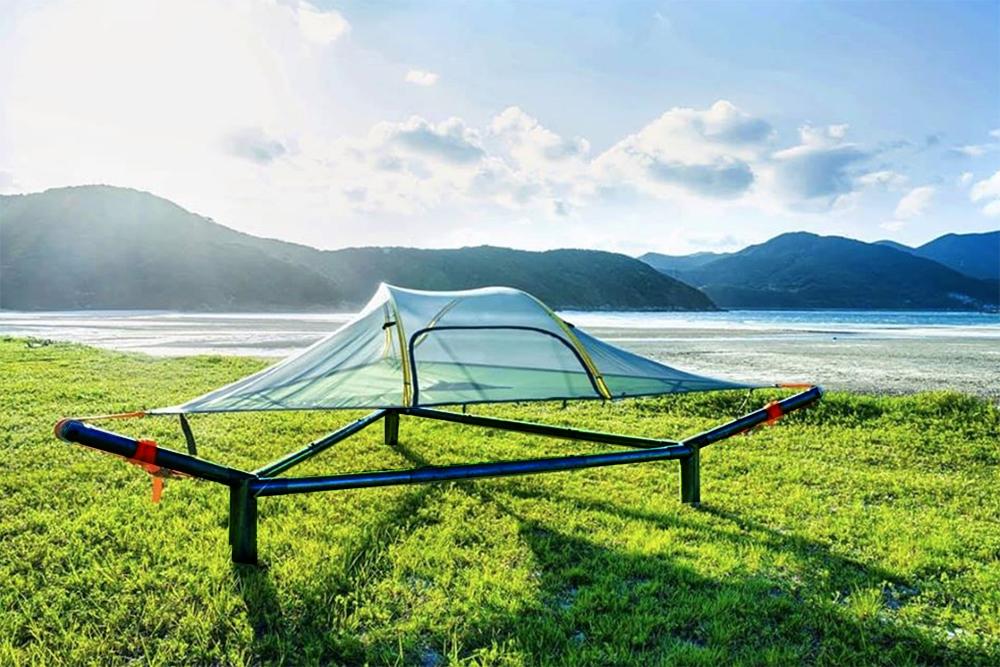
Credit: www.tentsile.com
Frequently Asked Questions
How Much Weight Can A No-tree Hammock Setup Hold?
Most quality stands and properly installed posts can hold 250–450 lbs. Always check the manufacturer’s rating and add a safety margin. DIY solutions should be tested with care before full use.
Can I Hang A Hammock On My Balcony?
Yes, if your balcony has strong concrete or steel supports. Never use thin or loose railings. Use heavy-duty straps or anchors, and check local building rules first.
What’s The Easiest No-tree Method For Beginners?
A portable hammock stand is by far the easiest. It requires no tools, sets up in minutes, and works indoors or outdoors. Folding stands are great for small spaces and travel.
Is It Safe To Hang A Hammock Indoors?
Yes, if you anchor to wall studs or ceiling joists, not just drywall. Use proper hardware rated for your weight, and keep enough clearance around the hammock.
What Is The Most Portable No-tree Hammock Solution?
A folding or telescoping hammock stand is most portable. Some weigh under 20 lbs and pack into a bag. DIY tripods can work but are heavier and take more time to set up.
No matter where you are, hammocks can bring comfort and relaxation—even if there’s not a tree in sight. With a bit of planning and the right support, you can enjoy the gentle sway of a hammock almost anywhere. Choose the method that fits your space, skills, and budget, and remember: safety and comfort go hand in hand. Happy lounging!
