
Camping lets you escape the noise of daily life, but nothing ruins a night under the stars faster than bugs invading your tent. Mosquitoes, ants, flies, spiders—they all love tents, especially when there’s warmth and food inside. If you’ve ever spent a sleepless night swatting insects, you know how important it is to keep bugs out of your tent.
With a few smart steps and careful planning, you can enjoy a comfortable, bug-free camping experience.
Choose The Right Campsite
Where you place your tent matters more than many people think. Bugs are attracted to certain environments.
- Avoid setting up near standing water (ponds, puddles, marshes), since mosquitoes breed there.
- Look for high ground—mosquitoes and ants prefer low, damp areas.
- Stay away from dense foliage. Thick bushes and tall grass are homes for ticks and spiders.
Here’s a quick comparison of campsite types:
| Campsite Type | Bug Risk Level | Why? |
|---|---|---|
| Near Water | High | Mosquito breeding grounds |
| Open Field | Medium | Fewer bugs, but flies present |
| Wooded Area | High | Ticks, spiders, ants |
| Gravel Patch | Low | Poor bug habitat |
Inspect And Prepare Your Tent
Before your trip, check your tent for holes or broken zippers. Even small tears can let bugs sneak in.
- Patch any holes with a repair kit.
- Test zippers to make sure they close fully.
- Attach the rainfly correctly, as it covers vents and keeps bugs out.
It’s easy to miss tiny gaps around the tent base or door. Many campers overlook these spots, but ants and spiders can enter through them. After pitching your tent, check all seams and corners.
Keep Food And Scented Items Out
Bugs follow their noses. Food, snacks, and even scented toothpaste can attract insects.
- Store all food in sealed containers or a cooler.
- Never leave crumbs inside your tent.
- Don’t bring snacks or drinks into your sleeping area.
Some bugs, like ants, detect even small crumbs. Clean up after meals carefully. If you must eat near your tent, do it outside and wipe down surfaces afterward.
Use Screens And Bug Nets
Modern tents usually have built-in mesh screens. Always keep the screens zipped, even if you’re just stepping out for a minute.
For extra protection, consider using a bug net over your sleeping area. Some campers hang mosquito nets inside their tents for double safety.
A quick comparison of bug net types:
| Net Type | Best For | Pros | Cons |
|---|---|---|---|
| Built-in Tent Mesh | All bugs | Easy, always ready | Can wear out over time |
| Hanging Mosquito Net | Mosquitoes | Extra layer | Needs setup |
| Door Net | Flies | Quick access | May block entry |
Apply Bug Repellent
Repellents help create a barrier against bugs. Choose a safe, effective repellent for camping.
- DEET-based sprays are powerful against mosquitoes and ticks.
- Natural repellents (like citronella) work but may need reapplication.
- Spray your tent seams and around doors, but avoid spraying inside where you sleep.
Some campers forget to treat their gear. Bug repellent works best when applied to tent fabric and clothing, not just your skin.
Keep Tent Doors Closed
It sounds simple, but leaving your tent door open is the fastest way to let bugs in.
- Open doors only when necessary.
- Enter and exit quickly.
- Make sure doors zip fully shut every time.
If you camp with kids, remind them to close doors behind them. Even a few seconds is enough for flies and mosquitoes to slip inside.

Credit: www.tentsile.com
Create A Bug-free Perimeter
You can reduce bugs around your tent using simple tricks:
- Sprinkle salt or chalk around the tent base—ants dislike these barriers.
- Burn citronella candles or coils outside, but never inside the tent.
- Use portable bug zappers near your campsite.
These methods help, but don’t rely on them alone. Combine with other steps for best results.
Wear Protective Clothing
If bugs are active, wear long sleeves and pants. Light colors work better, as dark colors attract mosquitoes.
- Tuck pants into socks to block ticks.
- Use hats or buffs to cover your neck and head.
Some campers use permethrin-treated clothes for extra protection. This treatment repels bugs but is safe for humans.
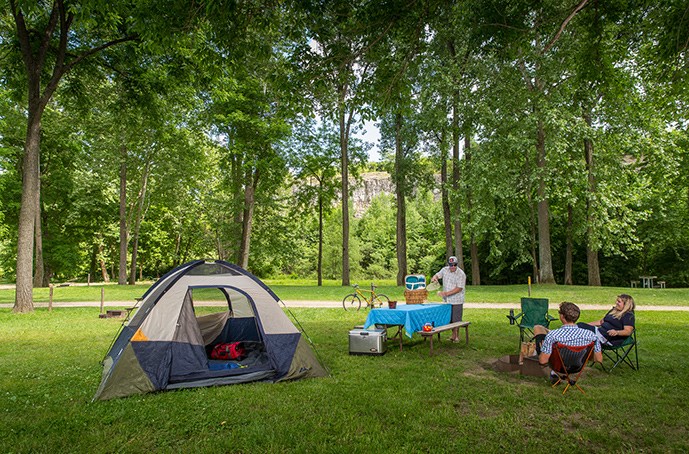
Credit: koa.com
Clean Up Before Bed
Before sleeping, shake out your clothes and check your shoes. Bugs sometimes crawl in during the day.
- Inspect your sleeping bag for insects.
- Remove leaves, dirt, or food wrappers from the tent floor.
- If you see bugs inside, gently sweep them out with a soft brush.
This step is often skipped by beginners. Taking 2–3 minutes before bed can prevent bites and discomfort during the night.
Use Tent Footprint Or Groundsheet
A tent footprint or groundsheet adds a layer under your tent. It blocks crawling bugs and moisture.
- Make sure the footprint is slightly smaller than your tent base.
- If it sticks out, rainwater can pool and bring bugs.
Choosing the right groundsheet size is key. Overlapping edges can attract ants and beetles, especially after rain.
Check Weather And Bug Forecasts
Before your trip, check local bug activity forecasts or weather reports. Some areas have peak mosquito seasons.
- Avoid camping during heavy rain or after floods.
- If bug risk is high, bring extra repellents and nets.
A good resource for planning is National Park Service, which gives updates on bug conditions in parks.
Common Mistakes To Avoid
Many campers make errors that invite bugs:
- Leaving food wrappers inside tent
- Forgetting to patch tent holes
- Ignoring campsite location
- Not closing tent doors quickly
These mistakes seem small but can lead to a bug invasion. Review your setup carefully.

Credit: www.youtube.com
Frequently Asked Questions
How Can I Keep Mosquitoes Out Of My Tent At Night?
Keep all screens zipped, use a hanging mosquito net, and apply bug repellent around door seams. Avoid camping near water.
Is It Safe To Use Bug Spray Inside The Tent?
Only use bug spray on tent fabric and outside seams. Avoid spraying directly inside where you sleep, as fumes can irritate lungs.
What Should I Do If Ants Get Inside My Tent?
Remove food, clean up crumbs, and sweep ants out gently. Create a salt barrier around your tent base to keep them away.
Can I Eat Inside My Tent Without Attracting Bugs?
It’s best to eat outside your tent. If you must eat inside, clean up immediately and store all food in sealed containers.
Are There Any Natural Ways To Repel Bugs From My Campsite?
Yes. Use citronella candles, sprinkle chalk or salt around the tent, and wear light-colored clothing. Some plants, like lavender, also help.
Camping can be relaxing and fun if you keep bugs out of your tent. With these tips, you’ll sleep soundly and wake up ready for adventure—no buzzing, crawling, or biting. Remember, a little planning goes a long way toward a bug-free night outdoors.
