
Looking for a fun and creative activity to do with your kids at home? Making a tent for your little ones is a perfect way to spark their imagination and create a cozy space they’ll love.
You don’t need fancy materials or special tools—just a few simple things you already have around the house. In this guide, you’ll discover easy steps to build a safe, comfortable tent that will keep your kids entertained for hours. Ready to turn your living room or backyard into a magical hideaway?
Let’s get started!
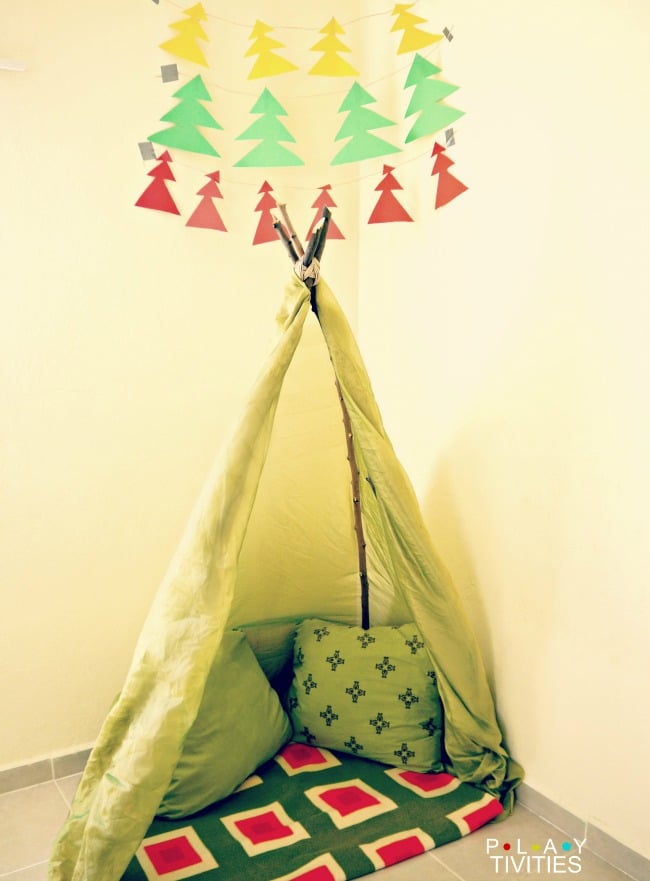
Credit: playtivities.com
Materials Needed
Building a tent for kids at home is fun and simple. The right materials make the project easier and safer. Choose items that are easy to work with and safe for children.
Fabric Options
Pick soft, durable fabric for the tent walls. Cotton and canvas work well. They are breathable and strong. Old bedsheets or curtains can also be used. Light colors make the tent bright inside.
Frame Choices
Use lightweight poles or sticks to build the frame. PVC pipes are popular because they are easy to connect. Wooden dowels also work well but are heavier. Make sure the frame is stable and safe for kids.
Additional Supplies
Gather scissors, string, and tape for assembly. Cloth clips or clothespins help hold fabric in place. A sewing kit or glue can join fabric parts. Cushions and blankets add comfort inside the tent.
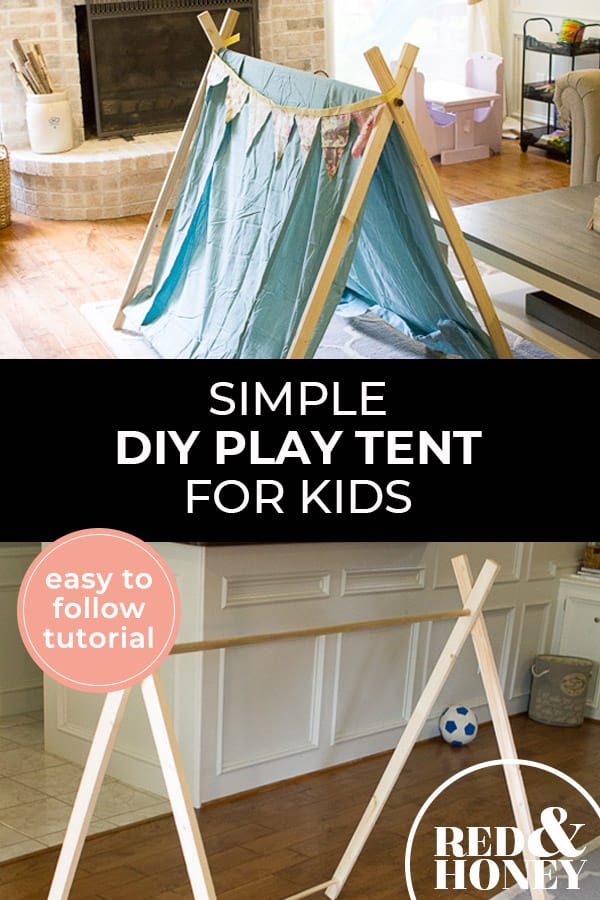
Credit: redandhoney.com
Choosing The Tent Style
Choosing the right tent style makes building fun and easy. The style you pick affects how the tent looks and feels. It also changes the materials and space you need. Here are three simple styles to help you decide.
Simple Teepee
The teepee is a classic and simple shape. It uses a few sticks or poles that lean together at the top. Cover them with a sheet or fabric. This style is easy to build and move around. Kids love the cozy, pointed roof. It fits well in small spaces.
Pop-up Tent
Pop-up tents are quick to set up. They often use flexible poles that snap into place. The tent unfolds like magic. This style is light and portable. Perfect for indoor or outdoor play. It offers enough room for a child to sit and play comfortably.
Cabin Style
Cabin tents have a boxy shape with straight sides. They need more poles or sticks for support. This style gives more headroom and space inside. It feels like a small house. Great for group play or reading corners. Use sturdy fabric or blankets to cover it well.
Step-by-step Assembly
Making a tent for kids at home is fun and simple. Follow these clear steps to build a safe and cozy space. Each part fits together easily. Kids can even help with some tasks.
Start with the frame, then add the fabric, and finally secure everything tightly. This method creates a sturdy tent ready for playtime or quiet reading.
Preparing The Frame
Gather wooden sticks or PVC pipes for the frame. Cut them to equal lengths for balance. Arrange the sticks into a square or triangle shape. Use strong tape or connectors to hold them together. Check that the frame stands firm and stable on the floor.
Attaching The Fabric
Choose a lightweight fabric like cotton or a bedsheet. Drape the fabric over the frame evenly. Leave some fabric at the bottom for doors or windows. Use clips, clothespins, or safety pins to attach the fabric. Smooth out wrinkles to keep the tent neat.
Securing The Tent
Secure the fabric edges with tape or glue for extra strength. Add weights or small bags at the bottom corners to stop slipping. Check all connections and tighten if needed. Place the tent in a safe spot with enough room inside. Now, the tent is ready for kids to enjoy.

Credit: www.wikihow.com
Decorating The Tent
Decorating the tent makes it cozy and fun for kids. It turns a simple tent into a special hideout. Kids enjoy a colorful and comfy space just for them.
Use soft and bright items to make the tent inviting. Small touches make a big difference in comfort and look. Let’s explore easy ways to decorate the tent.
Adding Cushions And Rugs
Place soft cushions inside the tent. Choose bright colors or fun patterns. Cushions make sitting or lying down more comfortable.
Lay a small rug on the floor. It keeps the tent warm and clean. Pick a rug with a soft texture for extra comfort.
String Lights And Accessories
Hang string lights around the tent frame. Soft lights create a warm and magical glow. Battery-operated lights work best for safety.
Add small accessories like stuffed animals or toys. These items make the tent feel like a special space. Keep the accessories light and easy to move.
Personalizing With Crafts
Make simple crafts with your kids. Use paper, markers, and stickers to decorate the tent walls. Kids love seeing their own art in the tent.
Try making name tags or small banners. Personal touches make the tent unique and special. Use tape or clothespins to attach crafts safely.
Safety Tips
Making a tent for kids at home is fun and creative. Safety is very important during this activity. Parents should follow some simple safety tips. These tips keep children safe and happy while playing in their tent.
Stable Structure
Make sure the tent stands firm. Use strong sticks or poles that do not break easily. Check all parts hold together tightly. A shaky tent can fall and hurt children. Test the tent before letting kids play inside.
Non-toxic Materials
Choose safe materials for building the tent. Use cloth, sheets, or blankets without harmful chemicals. Avoid paints or glues with strong smells. These can cause allergies or breathing problems. Always pick child-friendly and safe items.
Supervision Guidelines
Watch children while they play in the tent. Stay nearby to help if needed. Teach kids to be gentle with the tent. Do not leave toddlers alone inside. Supervision prevents accidents and ensures a fun time.
Maintenance And Storage
Keeping your kids’ tent clean and safe helps it last longer. Proper care makes it ready for many playtimes. Storing the tent the right way saves space and avoids damage. Small repairs keep the tent strong and safe for children.
Cleaning The Tent
Use a soft brush to remove dirt and dust. Wipe the fabric with a damp cloth and mild soap. Avoid harsh chemicals that can damage the material. Let the tent dry completely before storing to prevent mold. Clean regularly to keep the tent fresh and safe.
Folding And Storing
Fold the tent carefully along the seams. Avoid sharp creases that can weaken fabric over time. Store it in a dry, cool place away from sunlight. Use a breathable bag or box to keep dust out. Proper storage protects the tent from moisture and pests.
Repairing Small Damages
Check the tent for small tears or holes often. Use fabric glue or patch kits made for tents. Apply patches on clean, dry fabric for best results. Fix broken zippers or loose seams quickly. Regular repairs keep the tent safe and ready to use.
Frequently Asked Questions
What Materials Are Needed To Make A Kids’ Tent At Home?
You need fabric, wooden sticks or PVC pipes, string, scissors, and glue or tape. Soft blankets and cushions add comfort inside the tent. These materials are affordable and easy to find around the house or at local stores.
How Long Does It Take To Build A Kids’ Tent?
Building a kids’ tent typically takes 30 to 60 minutes. The time depends on the tent’s size and complexity. Simple designs are quicker and perfect for beginners, while more detailed tents may require extra time and patience.
Is It Safe To Make A Tent For Kids At Home?
Yes, homemade tents are safe when using non-toxic materials. Avoid sharp objects and ensure the structure is stable. Supervise children during playtime to prevent accidents and keep the tent clean and dry for health safety.
Can Kids Help In Making Their Own Tent?
Absolutely! Kids can help by choosing fabrics, decorating, and assembling simple parts. Involving children makes the project fun and educational. It boosts creativity and gives them a sense of accomplishment when the tent is complete.
Conclusion
Making a tent for kids at home brings fun and creativity. It uses simple materials you already have. Kids enjoy playing inside and using their imagination. Building together also creates happy family memories. Try different shapes and decorations to keep it fresh.
This easy project makes any day special and fun. Start today and watch your children smile with joy.
