
A hammock is a symbol of relaxation. Whether strung between trees in your backyard or used on a camping trip, it offers comfort and a break from busy life. But after days in the sun, exposure to dirt, sweat, pollen, and even bird droppings, your hammock can get dirty.
A dirty hammock not only looks bad but may also develop odors, mold, or wear out faster. Knowing how to wash a hammock the right way is essential to keep it clean, fresh, and long-lasting.
Washing a hammock isn’t as simple as tossing it in the washing machine. Different materials, sizes, and designs require different care. Some can handle a machine wash, while others demand gentle hand washing. In this guide, you’ll discover the best ways to clean various types of hammocks—whether cotton, polyester, nylon, or rope—without damaging them.
You’ll also learn how to avoid common mistakes, make your cleaning routine easier, and keep your hammock looking new for years.
Understanding Your Hammock: Types And Materials
Before you start cleaning, you need to know what type of hammock you have. The cleaning method often depends on the material and construction. Here are the most common types:
Fabric Hammocks
These are often made from cotton or polyester. Cotton is soft but absorbs water and stains easily. Polyester is more weather-resistant and dries faster but can sometimes hold onto odors.
Rope Hammocks
Usually made from cotton rope, polyester rope, or sometimes synthetic fibers like DuraCord. Rope hammocks are airy but can tangle and develop mildew if not dried properly.
Camping Hammocks
Typically made from nylon or parachute fabric. These are lightweight, fast-drying, and designed for easy cleaning.
Spreader Bar Vs. Non-spreader Bar
A spreader bar is a wooden or metal bar at each end that keeps the hammock open. These can make washing trickier because they can’t bend or fit in a washing machine.
Knowing your hammock’s material and design is the first step to safe cleaning. Always check the manufacturer’s care label for special instructions.
Preparing To Wash Your Hammock
Preparation is key to avoid damage and ensure a deep clean. Here’s what you should do before starting:
- Remove Accessories: Take off pillows, underquilts, carabiners, and any attached storage pouches.
- Shake Off Debris: Hold one end and give it a good shake to remove loose dirt, leaves, or bugs.
- Spot Check for Damage: Look for frayed ropes, weak spots, or broken stitching. If you see major damage, repair it before washing to avoid making it worse.
- Untangle Knots: Make sure ropes and cords aren’t tangled, especially with rope hammocks.
- Read the Care Tag: Check for any washing instructions or warnings from the manufacturer.
If your hammock is very muddy or has sticky spots (like sap), a quick pre-clean with a brush and some water can help.
Credit: www.reddit.com
Hand Washing A Hammock
Hand washing is the safest and most universal method, especially for delicate or large hammocks.
Supplies Needed
- Mild detergent (no bleach or strong chemicals)
- Soft-bristle brush or sponge
- Large bucket, bathtub, or kiddie pool
- Hose (optional)
- Clean water
Step-by-step Instructions
- Fill with Water: Fill your tub or container with cool or lukewarm water. Avoid hot water, which can shrink cotton or damage synthetic fibers.
- Add Detergent: Mix in a small amount of mild detergent. Don’t use fabric softener or bleach—they can weaken fibers.
- Soak the Hammock: Submerge the hammock fully. Let it soak for 10–20 minutes to loosen dirt.
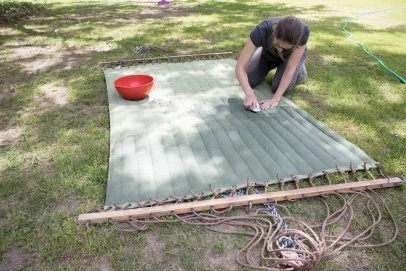
- Scrub Gently: Use your brush or sponge to scrub stained or dirty areas. Focus on spots with sweat, food, or visible marks.
- Rinse Thoroughly: Drain the soapy water and refill with clean water. Swish and rinse until all soap is gone. Leftover detergent can cause residue and attract dirt.
- Wring Carefully: If possible, press out water by rolling the hammock in a towel. Don’t twist or wring harshly, especially for rope hammocks, as it may stretch or tangle the fibers.
Extra Tips
- For rope hammocks, you can bundle the hammock and tie it loosely to keep the ropes from tangling during washing and rinsing.
- For tough stains, try a paste of baking soda and water, applied directly to the spot and scrubbed gently.
Machine Washing Your Hammock
Some hammocks, especially compact camping models or small fabric hammocks, are safe for the washing machine. Always check the care label first.
Which Hammocks Can Be Machine Washed?
- Lightweight nylon camping hammocks
- Some polyester fabric hammocks
- Small cotton hammocks without spreader bars
Rope hammocks and spreader bar hammocks should not be machine washed—they can tangle or damage your machine.
How To Machine Wash
- Remove Hardware: Take off all carabiners, chains, or hooks.
- Tie Loosely: Fold the hammock in half and tie the ends together with string or a sock. This keeps it from tangling.
- Use a Laundry Bag: Place the hammock in a large mesh laundry bag or pillowcase for extra protection.
- Select the Right Cycle: Use a gentle or delicate cycle with cold water.
- Add Mild Detergent: Use a small amount of gentle detergent. Avoid bleach or fabric softener.
- Spin Carefully: If possible, skip or use the lowest spin setting to avoid stretching.
Drying After Machine Wash
Remove the hammock and untie it right away to prevent wrinkles or tangling. Hang it to dry in a well-ventilated area. Never use a dryer; heat can shrink or damage the fibers.
Drying Your Hammock The Right Way
Proper drying is just as important as washing. If a hammock stays wet for too long, it can grow mold or mildew, which are both health hazards and hard to remove.
Best Practices For Drying
- Hang Loosely: Stretch the hammock between two points so air can circulate around it. A sunny, breezy spot is best.
- Avoid Direct Heat: Don’t put it on a radiator, heater, or in a dryer. High heat can shrink fabric and weaken fibers.
- Flip Occasionally: If possible, flip the hammock or move it so all sides dry evenly.
- Check Before Storing: Make sure the hammock is completely dry before you fold or store it. Even a little moisture can cause mildew.
Drying Time Estimates
Drying time depends on the material and weather. Here’s a rough guide:
| Material | Estimated Drying Time | Notes |
|---|---|---|
| Cotton | 6–12 hours | Absorbs water; slow to dry |
| Polyester | 2–6 hours | Dries faster than cotton |
| Nylon | 1–3 hours | Very fast-drying |
| Rope (cotton) | 8–18 hours | Thicker ropes take longer |
Special Situations: Cleaning Mold, Mildew, And Stains
Sometimes regular washing isn’t enough—especially if your hammock has mildew, heavy stains, or sticky sap. Here’s how to tackle them:
Removing Mold And Mildew
- Brush First: Take the hammock outside and use a soft brush to remove loose spores.
- Vinegar Solution: Mix equal parts white vinegar and water. Spray or sponge it onto the affected areas.
- Let It Sit: Leave for 30–60 minutes in the sun.
- Rinse Well: Rinse with plenty of clean water.
- Repeat if Needed: For stubborn spots, repeat or use a little baking soda in the mix.
Treating Stubborn Stains
- Food or Drink: Try a bit of dish soap and scrub gently with a sponge.
- Tree Sap: Apply a bit of rubbing alcohol or hand sanitizer to the sticky spot, then wipe away.
- Rust Marks: Lemon juice mixed with a pinch of salt can help lighten rust stains.
Deodorizing Your Hammock
If your hammock smells musty after storage, add a cup of baking soda to the wash or sprinkle some on before washing. Always rinse thoroughly.
Credit: www.hgtv.com
How Often Should You Wash Your Hammock?
There’s no single answer. It depends on how often you use it and where:
- Frequent use (daily or weekly): Wash every 2–4 weeks, or when visibly dirty.
- Occasional use (camping trips, vacations): Wash after each trip.
- Outdoor storage: Even if not used, wash every few months to remove pollen, dust, and potential mold.
Washing too often can wear out the fabric, so only clean when you notice dirt, stains, or odors.
Storing Your Hammock After Washing
Once your hammock is clean and dry, proper storage keeps it in good shape for next season.
- Fold loosely: Avoid sharp creases that can weaken fibers.
- Store in a breathable bag: Use a cotton sack or mesh bag, not plastic, to prevent moisture build-up.
- Keep in a dry, cool place: Avoid basements or garages if they’re damp.
- Check regularly: Even in storage, check for mold or pests every few months.
Proper storage extends the life of your hammock and keeps it smelling fresh.
Comparing Cleaning Methods: Hand Wash Vs. Machine Wash
Choosing between hand washing and machine washing depends on your hammock’s material, size, and construction. Here’s a comparison to help you decide:
| Factor | Hand Washing | Machine Washing |
|---|---|---|
| Best For | All types, especially large or rope hammocks | Nylon, small polyester/cotton hammocks |
| Risk of Damage | Low if gentle | Medium (tangling, stretching) |
| Time Required | More hands-on; 30–60 min | Less active time; 15–20 min |
| Cleaning Power | Can target stains better | Good for general dirt |
| Convenience | Needs space and effort | Easy if machine is large enough |
Common Mistakes When Washing A Hammock
Even experienced hammock owners can make mistakes that shorten a hammock’s life. Watch out for these:
- Using Bleach or Harsh Chemicals: These can break down fibers and fade colors.
- Washing with Hardware Attached: Carabiners, hooks, or spreader bars can damage both the hammock and your washing machine.
- Machine Drying: Heat can shrink or melt the fabric.
- Not Rinsing Enough: Leftover soap attracts dirt and can irritate skin.
- Storing While Damp: Even a little moisture can cause mildew and odors.
- Overloading the Washer: Large hammocks crammed into small machines can tangle, stretch, or rip.
- Ignoring Manufacturer Instructions: Always check for special care needs.
Advanced Tips For Hammock Care
For those who want their hammock to last even longer, these advanced tips can help:
1. Protect From The Elements
Even if your hammock is labeled “weatherproof,” sun and rain can wear it down. Store it indoors or use a hammock cover when not in use.
2. Regular Spot Cleaning
Don’t wait for dirt to build up. Wipe off small stains or bird droppings as soon as you notice them.
3. Avoid Overloading
Never exceed the weight limit. Overloading can stretch the fabric and make cleaning less effective.
4. Rotate Hanging Points
If you always hang your hammock from the same points, the fabric can wear unevenly. Rotate it or change hanging spots now and then.
5. Use A Hammock Underquilt Or Blanket
Placing a blanket or underquilt inside the hammock can keep it cleaner and make washing easier. Just wash the blanket more often than the hammock.
6. Re-treat Water-resistant Coating (if Needed)
Some synthetic hammocks have a water-resistant coating. If you notice water no longer beads on the surface, you can reapply a spray-on treatment (follow the product directions).
Environmental Considerations: Eco-friendly Hammock Washing
Washing a hammock uses water and detergent, which can affect the environment. Here’s how to clean responsibly:
- Use biodegradable detergent when possible, especially if washing outdoors.
- Avoid washing directly in natural water sources like rivers or lakes.
- Dispose of dirty water in a drain, not the ground, to avoid polluting soil or plants.
- Air-dry outdoors to save energy.
By following these steps, you protect both your hammock and nature.
When To Replace Your Hammock Instead Of Washing
Sometimes, a hammock is too worn or damaged to be saved by cleaning. Signs it’s time to replace:
- Large holes or tears that can’t be repaired
- Frayed ropes that look unsafe
- Mold or mildew that won’t come out after several washes
- Loss of support or shape
If you notice any of these, it may be safer to invest in a new hammock.
Real-world Examples And Data
Example 1: A 2022 survey by the Outdoor Industry Association found that 34% of hammock users reported mildew issues after leaving their hammocks outdoors for more than a week. Regular washing and proper drying reduce this risk by over 80%.
Example 2: In a product test by Wirecutter, nylon camping hammocks showed no loss of strength after 10 machine washes (gentle cycle), while cotton rope hammocks lost 15% of their strength after repeated soaking and improper drying.
For more detailed care instructions, the REI Hammock Care Guide offers expert advice.
Credit: dutchwaregear.com
Frequently Asked Questions
How Do I Wash A Hammock With Spreader Bars?
Hammocks with spreader bars can’t bend to fit in most washing machines. The best way is to hand wash them in a bathtub or with a hose. Scrub gently with a soft brush and mild detergent, then rinse well and hang to dry.
Never submerge the wooden bars for long, as water can warp or crack them.
Can I Use A Pressure Washer To Clean My Hammock?
It’s not recommended. Pressure washers are too strong and can damage the fibers or force water into places where it can’t dry, leading to mold or rot. Stick to a garden hose and soft brush for stubborn dirt.
What Should I Do If My Hammock Smells Musty After Washing?
A musty smell usually means the hammock wasn’t fully dry before storage. Wash it again, this time adding a cup of vinegar to the rinse. Dry in the sun until it’s completely moisture-free. Sunlight helps kill lingering odor-causing bacteria.
Are There Hammocks That Should Only Be Dry Cleaned?
Very rarely. Most hammocks are designed for home washing. However, some high-end or decorative hammocks with special dyes, embroidery, or delicate fabrics may require professional dry cleaning. Always check the care label or contact the manufacturer if unsure.
How Can I Prevent My Hammock From Getting Dirty So Quickly?
Place your hammock in a shaded area, away from bird droppings and tree sap. Use a hammock cover when not in use. Encourage users to remove shoes and avoid eating messy foods in the hammock. Regular spot cleaning also helps keep dirt from building up.
Taking care of your hammock means more than just the occasional wash. With the right cleaning routine, attention to detail, and good storage habits, you’ll enjoy your hammock’s comfort and beauty for many seasons to come. Whether you’re a backyard lounger or a camping enthusiast, a clean hammock is a more inviting and healthier place to relax.
