
Thinking about tent camping in Alaska? You might be wondering if it’s really safe to set up your tent in such a wild and remote place.
You’re not alone. Many people ask this question because Alaska’s vast wilderness is both beautiful and intimidating. What if you encounter wildlife? Or bad weather? This article will give you clear answers and practical tips to help you decide if tent camping in Alaska is right for you—and how to stay safe while enjoying one of the most stunning places on Earth.
Keep reading to learn what you need to know before you pitch your tent under the Northern Lights.
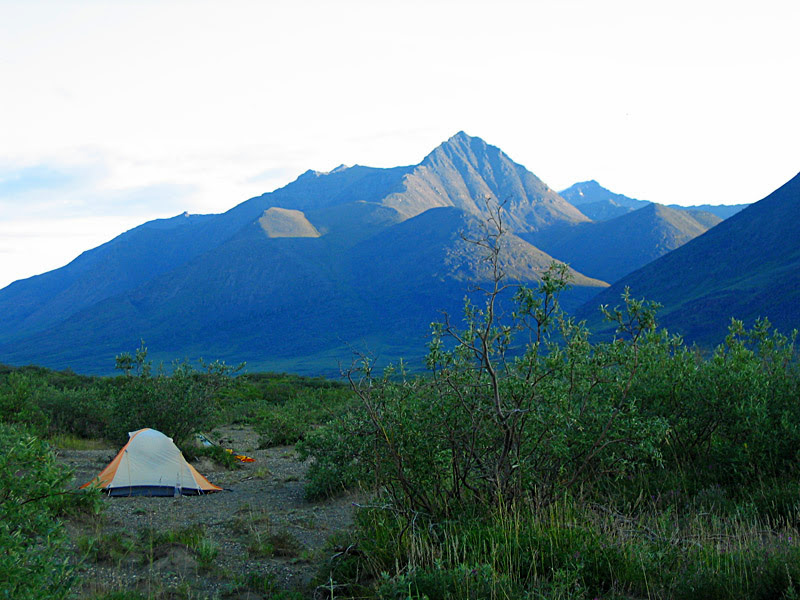
Credit: www.ordinary-adventures.com
Alaska’s Camping Appeal
Alaska offers a unique camping experience for outdoor lovers. Vast wilderness, towering mountains, and clear rivers make it special. Tent camping here feels like stepping into a natural wonder. The fresh air and quietness attract many people every year.
Camping in Alaska lets you see wildlife and nature up close. The long daylight hours in summer give more time to explore. The beauty of the Northern Lights can light up your night sky. These moments make tent camping in Alaska unforgettable.
Popular Tent Camping Spots
Denali National Park is a top place for tent campers. It has trails, wildlife, and stunning views. Chugach State Park near Anchorage offers forests and mountains. Many campers enjoy the peacefulness of Wrangell-St. Elias National Park. It is the largest park in the U.S. with wide open spaces. Kenai Peninsula also draws campers with its lakes and rivers.
Seasonal Camping Conditions
Summer is the best time to camp in Alaska. Days are warm and nights are cool but comfortable. Mosquitoes can be a problem in some areas. Bring insect repellent to stay safe. Fall brings cooler weather and fewer bugs. Winter camping is possible but needs special gear. Snow and ice make camping more challenging then.
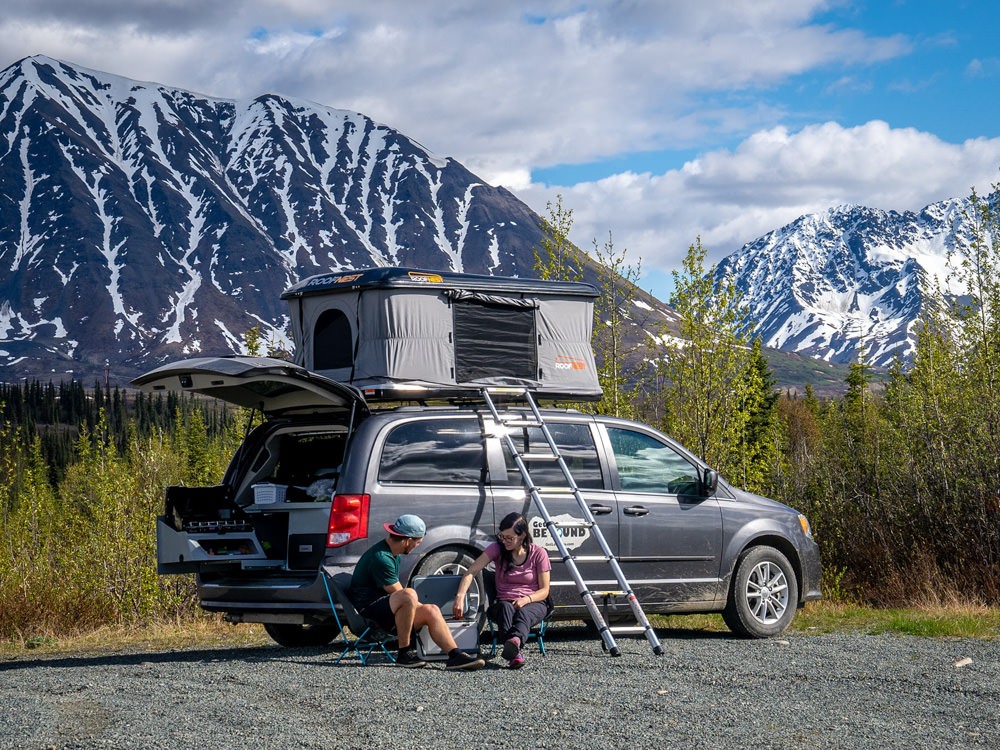
Credit: www.alaska.org
Wildlife Encounters
Camping in Alaska means sharing space with wild animals. These creatures live freely in the forests and mountains. Encountering wildlife can be exciting but also risky. Knowing how to stay safe is very important. You must respect their home and keep a safe distance. This section explains what to expect and how to protect yourself.
Bears And Safety Measures
Bears are common in Alaska’s wilderness. Both black bears and grizzly bears roam the lands. They can be curious or defensive around humans. Never approach a bear or surprise it. Make noise while hiking to avoid sudden encounters. Carry bear spray and know how to use it. Store food in bear-proof containers or hang it from a tree. Keep your campsite clean and free of food smells. If you see a bear, stay calm. Back away slowly without turning your back. Avoid running. Bears usually avoid people if not provoked.
Other Animals To Watch For
Besides bears, Alaska has moose, wolves, and foxes. Moose can be very large and aggressive, especially near calves. Give them wide space and do not get between a moose and its young. Wolves rarely attack humans but watch from a distance. Foxes are shy and pose little danger. Watch for smaller animals like squirrels or birds. They can carry ticks or other pests. Always check yourself and gear for ticks after hiking. Respect animals by observing quietly and not feeding them. Stay alert to keep your camping trip safe and enjoyable.
Weather Challenges
Camping in Alaska means facing tough weather. The state’s weather can change fast and without warning. This makes tent camping both exciting and risky. Understanding these weather challenges helps campers stay safe and enjoy their trip.
Alaska’s climate can be very cold, even in summer. Rain is common and sometimes heavy. Winds can pick up quickly, making tents unstable. Knowing how to handle these conditions is key to a good camping experience.
Cold And Rain Risks
Cold weather can cause hypothermia if you are not prepared. Night temperatures often drop below freezing. Rain can soak your clothes and gear, causing discomfort and danger. Wet conditions make it hard to start a fire or stay dry. Staying warm and dry is the top priority for campers.
Winds can damage tents or blow them away. Heavy rain can flood low ground campsites. Choosing a good spot and having the right gear helps avoid these problems.
Preparing For Sudden Changes
Alaska’s weather can shift in minutes. A clear sky can turn stormy without signs. Campers must watch the sky and listen to weather updates. Always carry extra layers and waterproof clothing. A strong, waterproof tent is necessary.
Pack extra food and water in case you get stuck. Plan your route with safe exit points. Being ready for sudden weather means staying safe and enjoying Alaska’s beauty.
Gear Essentials
Camping in Alaska offers stunning views but also unique challenges. Gear plays a big role in keeping you safe and comfortable. Choosing the right equipment helps you handle cold, wind, and wet weather. Prepare well to enjoy your outdoor adventure without trouble.
Choosing The Right Tent
Select a tent made for harsh weather. Look for strong poles and tough fabric. A four-season tent works best to resist wind and rain. It should have a good rainfly and sealed seams. Size matters—pick one with enough space for your gear. Ventilation is key to avoid moisture inside. A sturdy tent keeps you dry and safe all night.
Clothing And Sleeping Gear
Wear layers to adjust to changing temperatures. Start with a moisture-wicking base layer to stay dry. Add an insulating layer for warmth and a waterproof outer layer to block wind. Avoid cotton; choose wool or synthetic fabrics instead. For sleeping, use a cold-weather sleeping bag rated for sub-freezing temps. A sleeping pad adds comfort and insulation from the cold ground. Warm socks and a hat help keep body heat during the night.
Campground Safety Tips
Camping in Alaska offers amazing views and a wild experience. Safety is very important to enjoy your trip. Follow simple rules to keep yourself and wildlife safe. These tips help you have a fun and safe camping adventure.
Food Storage Techniques
Keep all food away from your tent. Use bear-proof containers or lockers if available. Hang food bags high in trees, at least 10 feet off the ground. Store cooking gear with food to avoid smells near your tent. Clean up all food scraps and trash immediately. These steps stop bears and other animals from coming close.
Setting Up Campsites
Choose a flat, dry spot for your tent. Avoid areas near animal trails or berry bushes. Set up your tent away from water sources to reduce animal visits. Keep your cooking and eating area separate from your sleeping area. Use a flashlight at night to watch for wildlife. This setup helps you stay safe and comfortable.
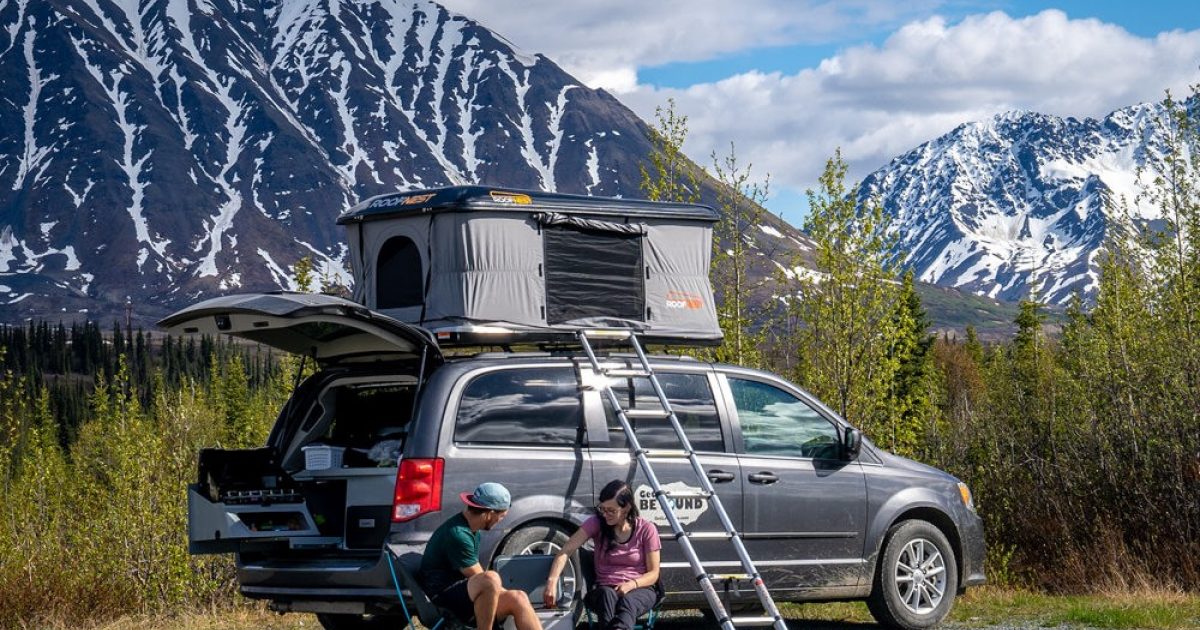
Credit: www.alaska.org
Legal And Environmental Guidelines
Tent camping in Alaska offers a unique chance to enjoy wild nature. Respecting legal and environmental rules keeps you safe and protects the land. Following these guidelines helps preserve Alaska’s beauty for others.
Permits And Regulations
Many camping areas in Alaska require permits. These rules control where and how long you can camp. Some places limit group sizes to reduce impact. Always check local rules before setting up your tent. Certain parks or wildlife refuges have special restrictions. Following these laws prevents fines and protects habitats.
Leave No Trace Practices
Leave No Trace means camping without hurting nature. Pack out all trash, leftover food, and litter. Use existing campsites and trails to avoid damaging plants. Avoid digging or cutting trees for firewood. Dispose of waste properly, away from water sources. These habits keep the environment clean and healthy. Small actions help keep Alaska wild and beautiful.
Frequently Asked Questions
Is Tent Camping Safe In Alaska’s Wilderness?
Yes, tent camping in Alaska is safe with proper preparation. Use bear-proof containers and camp in designated areas. Always follow local wildlife guidelines to avoid dangerous encounters and stay informed about weather conditions for a safe experience.
What Wildlife Should Campers Expect In Alaska?
Campers may encounter bears, moose, and wolves in Alaska. Keeping food secured and maintaining distance from animals is crucial. Understanding animal behavior reduces risks. Always carry bear spray and make noise to avoid surprising wildlife.
How To Protect Your Food From Bears While Camping?
Use bear-proof containers or hang food at least 10 feet high. Store food away from your tent to avoid attracting bears. Follow local regulations on food storage for safety and to prevent wildlife disturbances.
What Weather Conditions Affect Tent Camping In Alaska?
Alaska’s weather can be unpredictable with rain, wind, and cold temperatures. Prepare with waterproof gear and layered clothing. Check forecasts regularly to adapt plans and ensure safety while camping outdoors.
Conclusion
Camping in Alaska can be safe with the right preparation. Know the weather and pack warm clothes. Keep food away from wildlife and use bear-proof containers. Choose a good campsite and tell someone your plans. Stay alert and respect nature’s power.
Adventure waits, but safety comes first. Enjoy the beauty, stay cautious, and have a great trip.
