
Thinking about tent camping in Colorado? You might be wondering if it’s really safe to sleep under the stars in this beautiful state.
From unpredictable weather to wildlife encounters, there are a few things you should know before you pitch your tent. You’ll discover what to watch out for, how to prepare, and tips to keep you and your gear safe. By the end, you’ll feel confident about whether tent camping in Colorado is the right adventure for you.
Keep reading to learn how to make your trip both fun and safe!
Credit: www.nps.gov
Colorado Camping Basics
Camping in Colorado offers stunning views and fresh mountain air. Many people enjoy tent camping here for its natural beauty and peaceful nights. Knowing the basics helps you stay safe and enjoy your trip fully.
Colorado has many camping spots, each with unique features. Weather changes fast, so preparation is key. Bringing the right gear makes your stay comfortable and safe.
Popular Tent Camping Spots
Rocky Mountain National Park is a top choice for tent campers. It has clear lakes, tall trees, and mountain views. Another favorite is Great Sand Dunes National Park, where campers sleep near giant sand dunes. For a quieter spot, try the San Juan Mountains. It offers solitude and beautiful trails. Many state parks also provide great tent camping areas with easy access and good facilities.
Seasonal Weather Patterns
Colorado’s weather can change quickly. Summer days are warm, but nights get cold. Thunderstorms are common in the afternoon. Winters bring heavy snow and freezing temperatures. Spring and fall are mild but unpredictable. Always check the weather forecast before your trip. Pack layers to stay warm and dry.
Essential Camping Gear
A sturdy tent protects you from wind and rain. Bring a sleeping bag rated for cold temperatures. A good sleeping pad adds comfort and warmth. Pack a portable stove or fire starter for cooking. Carry plenty of water and food supplies. Don’t forget a flashlight, map, and first aid kit. Proper gear keeps you safe and ready for any situation.
Wildlife Risks
Camping in Colorado offers beautiful nature and fresh air. But wildlife risks exist. Knowing about animals and insects helps keep you safe. This section talks about common wildlife threats and ways to avoid problems.
Bears And Mountain Lions
Bears live in many Colorado forests. They usually avoid people but can be curious. Mountain lions are shy and hide from humans. Both animals may come near campsites if food is left out. Noise and clean campsites lower chances of encounters. Never feed or approach wild animals.
Insects And Snakes
Colorado has many insects like mosquitoes and ticks. These bugs can carry diseases. Snakes, including rattlesnakes, live in dry areas. Snake bites can be dangerous. Watch where you step and do not touch snakes. Use insect repellent to avoid bites and check your body for ticks.
Preventive Measures
Store food in bear-proof containers or hang it high. Keep your campsite clean and free of crumbs. Make noise when hiking to warn wildlife. Wear long clothes to protect from insect bites. Always carry a first aid kit. Know local emergency contacts and rules about wildlife. Stay alert and respect nature’s space.
Weather Challenges
Camping in Colorado means facing some unique weather challenges. The weather can change fast and without warning. Understanding these changes helps keep you safe and comfortable while tent camping.
Sudden Storms
Storms in Colorado can start quickly. Dark clouds can appear in minutes. Thunder, lightning, and heavy rain often follow. These storms can make hiking and camping dangerous. Always check the sky and weather updates. Find a safe spot to wait out storms. Avoid tall trees and open fields during lightning.
Temperature Fluctuations
Temperatures can swing widely in Colorado. It may be warm during the day. Nights can turn very cold, even in summer. Bring layers of clothing to stay warm. A good sleeping bag is important. Always plan for both hot and cold weather. This helps you avoid discomfort and illness.
Preparing For Altitude
High altitude affects weather and your body. The air is thinner and colder at higher spots. You may feel tired or dizzy at first. Drink plenty of water and rest often. Know signs of altitude sickness. Dressing in layers helps with sudden cold winds. Prepare your body before camping above 8,000 feet.
Campground Safety Tips
Camping in Colorado offers stunning views and fresh air. Staying safe is key to enjoying your trip. Follow these campground safety tips to protect yourself and nature.
Setting Up Your Tent
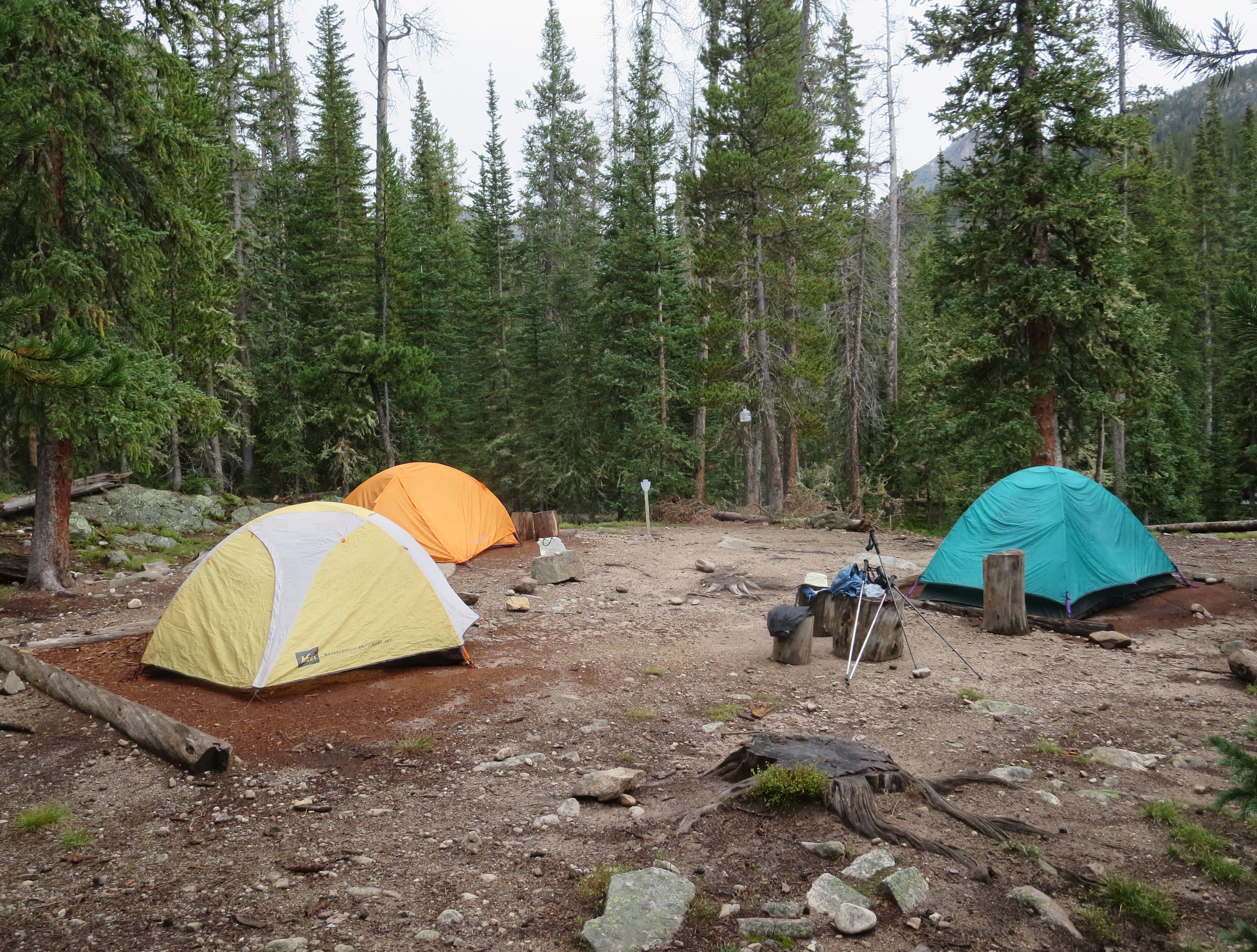
Choose a flat, dry spot for your tent. Avoid low areas where water can collect. Clear rocks and sticks to protect the tent floor. Secure all tent stakes firmly in the ground. Keep your tent zipped to keep bugs and animals out. Set up your tent away from fire pits and trails.
Food Storage Practices
Store food in sealed containers or bear-proof lockers. Keep food away from your tent to avoid attracting animals. Clean up all food scraps and trash immediately. Avoid strong-smelling foods that attract wildlife. Use coolers or airtight bags to keep food fresh. Dispose of waste in designated bins only.
Fire Safety
Use established fire rings for campfires. Keep fires small and manageable. Always have water and a shovel nearby to put out fires. Never leave a fire unattended. Fully extinguish fires before sleeping or leaving the site. Follow local fire regulations and bans carefully.
Legal Regulations
Camping in Colorado means following certain legal rules. These rules help keep nature safe and protect everyone who visits. Knowing and respecting these laws makes camping fun and worry-free. Below are key legal points every camper should know.
Permits And Restrictions
Many camping spots in Colorado require permits. These permits limit how many people can camp at once. You may need to get a permit before setting up your tent. Some areas close during certain seasons to protect wildlife. Always check local rules before your trip.
Leave No Trace Principles
Colorado enforces Leave No Trace rules to protect nature. Campers must pack out all trash and leftover food. Do not damage plants or disturb animals. Use established trails and campsites only. These actions keep the environment clean and healthy for others.
Campfire Rules
Campfires are allowed in some areas but with strict rules. Use only fire rings or pits provided. Never leave a fire unattended. Check for fire bans before lighting any fire. Put out fires completely with water before sleeping or leaving.
Credit: www.du.edu
Emergency Preparedness
Emergency preparedness is key for safe tent camping in Colorado. Weather can change fast. Wildlife and rough terrain pose risks. Being ready helps protect you and your group.
Plan ahead. Know what to do if something goes wrong. Pack smart and stay calm. These steps improve your safety outdoors.
First Aid Essentials
Carry a well-stocked first aid kit. Include bandages, antiseptic wipes, and pain relief. Add tweezers, scissors, and allergy medicine. Learn basic first aid skills before your trip. Treat minor injuries quickly to avoid bigger problems.
Communication Options
Cell phone service can be weak or missing. Bring a satellite phone or a personal locator beacon. These devices send emergency signals from remote areas. Share your trip plan with someone at home. Check in regularly when possible.
Evacuation Plans
Know the nearest hospital and ranger station locations. Mark emergency exits and trails on a map. Have a clear plan for leaving the campsite quickly. Practice the plan with your group before your trip starts. Stay aware of weather and fire warnings at all times.
Credit: www.kunr.org
Frequently Asked Questions
Is Tent Camping Safe In Colorado’s Wilderness?
Yes, tent camping is generally safe in Colorado. Always follow wildlife safety tips and weather precautions. Use bear-proof containers and camp in designated areas to minimize risks.
What Are Common Wildlife Risks While Tent Camping?
Common risks include bears, mountain lions, and snakes. Store food securely and avoid attracting animals. Stay alert and know local wildlife behavior to stay safe.
How To Prepare For Colorado’s Weather While Camping?
Weather can change quickly. Pack layers, rain gear, and warm clothing. Check forecasts before camping and be ready for sudden temperature drops or storms.
Are There Any Safety Regulations For Tent Camping?
Yes, follow local camping rules and fire regulations. Use designated campsites and fire rings. Always dispose of waste properly to protect the environment and wildlife.
Conclusion
Tent camping in Colorado can be safe with the right planning. Know the weather and prepare for sudden changes. Always store food properly to keep animals away. Choose campsites that follow local rules and guidelines. Bring good gear and keep it dry and warm.
Trust your instincts and stay aware of your surroundings. Camping here offers great nature and fresh air. Simple steps help make your trip safe and fun. Enjoy the adventure while staying careful and ready.
