
Thinking about tent camping in Colorado? You’re probably wondering if it’s really safe to pitch your tent under those vast, starry skies.
Colorado’s stunning mountains and fresh air call to every outdoor lover, but nature can be unpredictable. You want to enjoy your trip without worrying about unexpected dangers or discomfort. You’ll discover the key facts and tips to keep you safe while camping, so you can relax and fully enjoy your adventure.
Keep reading to learn what you need to know before you set up your tent in Colorado’s great outdoors.
Credit: www.du.edu
Tent Camping Spots In Colorado
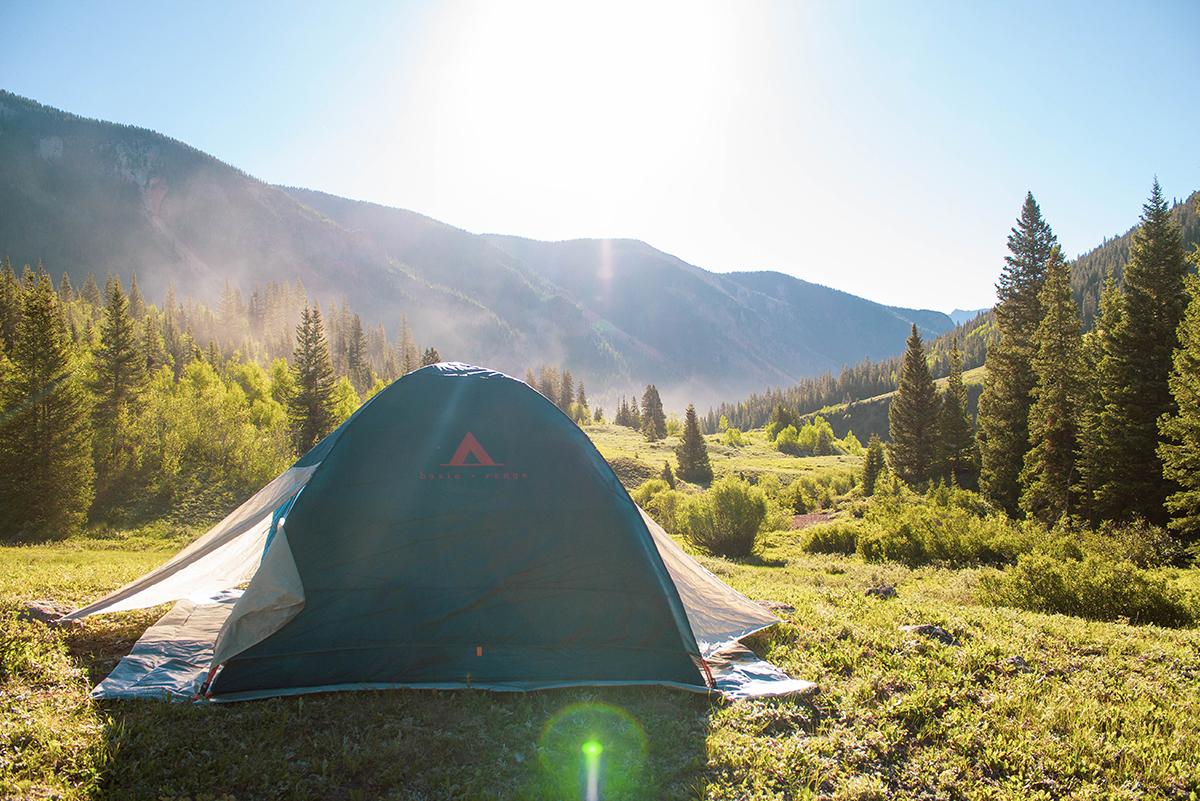
Colorado offers many great spots for tent camping. The state has diverse landscapes, from mountains to forests. Campers find peaceful places to enjoy nature and fresh air. Each type of camping area has its own charm and safety tips. Discover some of the best tent camping spots in Colorado below.
Popular National Parks
Colorado’s national parks attract many campers every year. Rocky Mountain National Park is famous for its beautiful trails and wildlife. Great Sand Dunes National Park offers unique sandy landscapes for a fun camping experience. These parks have well-maintained campgrounds and ranger support. Staying in these parks gives easy access to nature and safety services.
State Parks And Forests
State parks and forests are excellent for quieter camping trips. Places like Cherry Creek State Park and San Isabel National Forest provide scenic views and peaceful surroundings. These spots often have fewer visitors than national parks. Campers can enjoy fishing, hiking, and wildlife watching here. Facilities like restrooms and fire pits make camping more comfortable.
Remote Backcountry Sites
For true adventure, remote backcountry sites offer solitude and raw nature. These areas require more preparation and experience. Campers must carry all supplies and know how to stay safe. Backcountry camping lets you explore untouched wilderness away from crowds. Always check weather conditions and inform someone about your plans.
Weather Considerations
Camping in Colorado offers stunning views and fresh air. Weather plays a big role in how safe and fun your trip will be. Colorado’s weather can change fast. Knowing what to expect helps you prepare better. Pay close attention to temperature, storms, and cold nights. These are key for safe tent camping.
Seasonal Temperature Changes
Colorado’s temperature changes a lot with the seasons. Summer days are warm but nights can get cool. Spring and fall bring mild days but chilly evenings. Winter camping means very cold weather, often below freezing. Check the forecast before your trip. Dress in layers and pack clothes for warm and cold weather.
Storms And Wind
Storms can appear quickly in Colorado. Thunderstorms are common in summer afternoons. They bring heavy rain, lightning, and strong winds. Winds can make tents unstable or cause damage. Set up camp in a sheltered spot away from tall trees. Always have a sturdy tent and secure it well. Be ready to take down your tent fast if a storm comes.
Preparing For Cold Nights
Even in summer, nights can be cold in Colorado. Temperatures often drop below 40°F. Cold nights can be dangerous if you are not ready. Bring a warm sleeping bag and a sleeping pad for insulation. Wear a hat and warm socks to bed. Eat a good meal before sleeping to keep your body warm. Stay dry and avoid sweating at night to stay warm.
Wildlife Encounters
Camping in Colorado offers a chance to enjoy nature up close. Wildlife encounters are a part of the experience. Knowing about local animals helps keep campers safe. Some animals can be curious or defensive. Respecting their space is important for a safe trip.
Bears And Mountain Lions
Bears live in many Colorado forests. They search for food, especially near campsites. Mountain lions are shy but can appear near trails. Both animals avoid humans if given space. Stay alert, make noise, and do not run if you see one. Carry bear spray as a safety tool.
Snakes And Insects
Colorado has some snakes, including rattlesnakes. Watch where you step or sit. Insects like ticks and mosquitoes can bother campers. Use insect repellent and wear long clothes. Check your body for ticks after hiking.
Safe Food Storage
Food smells attract wildlife at campsites. Store food in sealed containers or bear-proof lockers. Keep food away from your tent. Never leave food scraps or trash outside. Clean cooking areas after use to avoid attracting animals.
Safety Tips And Precautions
Camping in Colorado offers beautiful views and fresh air. Staying safe makes your trip more fun. Follow simple safety tips and precautions to avoid common problems. These help keep you and your group safe during your adventure.
Setting Up Your Tent Properly
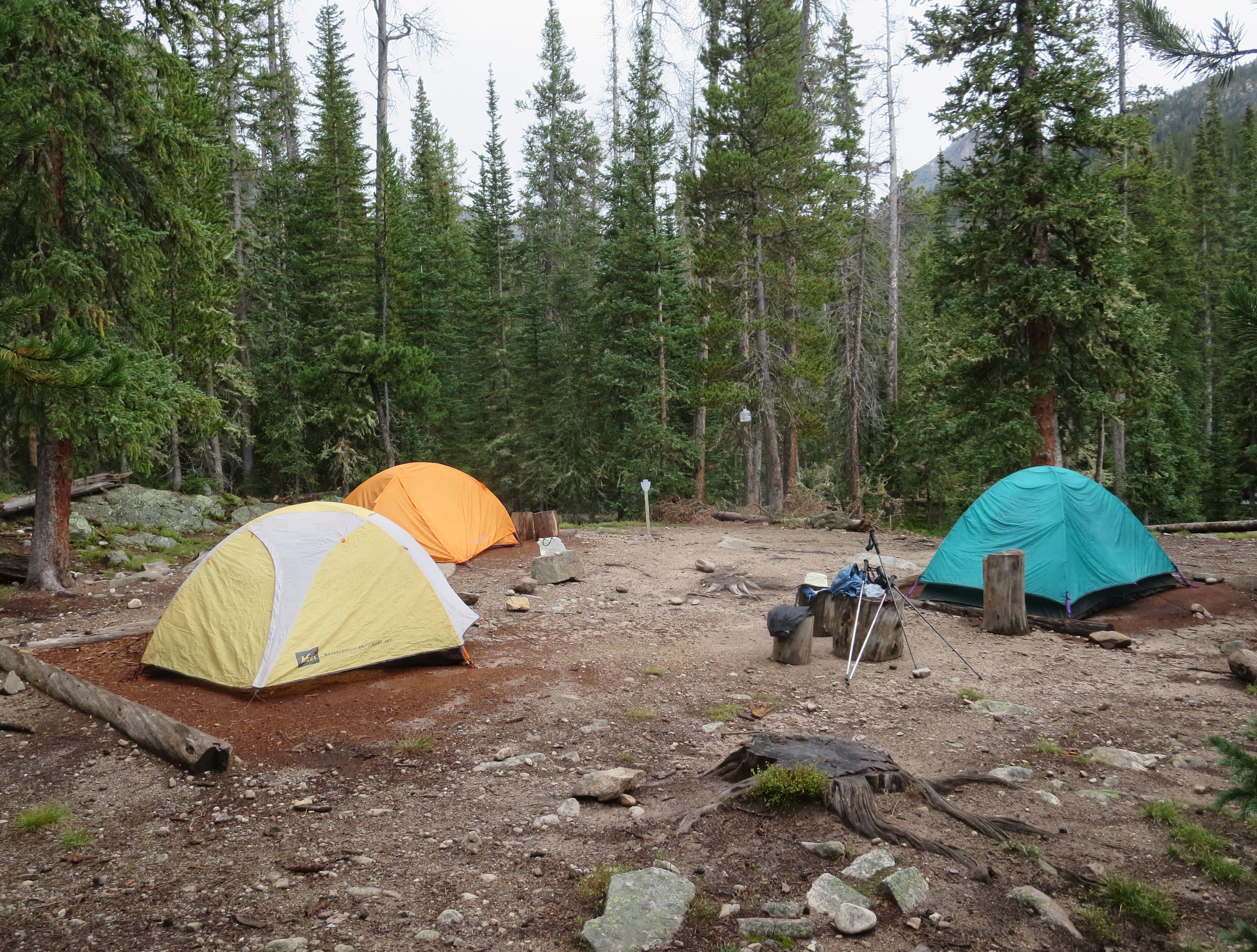
Choose a flat, dry spot for your tent. Avoid low areas where water can collect. Clear rocks and sticks from the ground before setting up. Use all tent stakes and guylines to secure it well. This keeps your tent stable in wind or rain. Check the tent’s zippers and seams for damage. Keep your tent door closed to keep bugs and animals out.
Campfire Safety
Build your fire in a safe spot away from trees and tents. Use a fire ring if the campsite has one. Keep the fire small and under control. Never leave the fire unattended. Have water or dirt nearby to put out the fire quickly. Fully extinguish the fire before sleeping or leaving the site. Avoid burning trash or plastics in the campfire.
Emergency Preparedness
Carry a first aid kit with basic supplies. Know the location of the nearest hospital or ranger station. Have a charged phone or a communication device. Share your camping plans with someone not on the trip. Bring a map and compass or GPS device. Learn basic survival skills like how to signal for help. Stay calm and act quickly if an emergency happens.
Local Regulations And Permits
Camping in Colorado means knowing the rules. Local regulations help protect nature and keep campers safe. Permits and restrictions vary by area. Following them makes the trip smooth and legal. Respecting the environment is part of the experience. Understanding these rules helps you enjoy camping without trouble.
Camping Permits Required
Most popular camping spots in Colorado need a permit. National parks and forests often require them. Permits control the number of campers. They help protect fragile areas from damage. Getting a permit is simple and usually online. Some places allow walk-up permits, but not always. Always check rules for your campsite before you go.
Fire Restrictions
Fire rules change with the season and weather. Dry conditions often bring strict fire bans. Campfires may be limited to certain areas or banned entirely. Use a camp stove if fires are not allowed. Fires can cause big wildfires in dry forests. Follow all fire rules to keep the forest safe. Check local fire alerts before lighting any fire.
Leave No Trace Principles
Leave No Trace means leaving nature as you found it. Pack out all trash and leftover food. Avoid disturbing plants and wildlife. Camp on durable surfaces like established sites. Use toilets or bury waste properly. Keep noise low to respect wildlife and other campers. These simple actions protect Colorado’s wilderness for everyone.
Credit: www.nps.gov
Gear Recommendations
Choosing the right gear makes camping in Colorado safer and more fun. The weather changes fast. Mountains bring cold nights and strong winds. Good equipment helps you stay warm and dry.
Prepare for all conditions. Pack smart. Carry tools for safety and navigation. This list covers basics to keep you ready.
Essential Camping Equipment
Start with a sturdy tent that resists wind and rain. A sleeping bag rated for cold weather is a must. Bring a sleeping pad for comfort and insulation from the cold ground. Carry a portable stove or fire starter for cooking. Pack a reliable flashlight or headlamp with extra batteries. A first aid kit is crucial for minor injuries. Keep a water filter or purification tablets to ensure clean drinking water. Don’t forget a strong backpack to carry all your gear.
Clothing For Variable Weather
Layering is key in Colorado’s changing weather. Use a moisture-wicking base layer to stay dry. Add an insulating layer, like fleece or down, to keep warm. A waterproof and windproof outer layer protects against rain and wind. Bring a hat and gloves for cold mornings or evenings. Wear sturdy hiking boots with good grip. Pack extra socks to keep feet dry and comfortable. Avoid cotton; it holds moisture and chills the body.
Navigation Tools
A detailed map of the area is essential. Carry a compass and know how to use it. A GPS device can be helpful but don’t rely only on it. Download offline maps on your phone before the trip. Mark your route and important landmarks. Keep track of your location to avoid getting lost. Always tell someone your planned route and expected return time.
Credit: www.kunr.org
Frequently Asked Questions
Is Tent Camping Safe In Colorado’s Wilderness?
Yes, tent camping is generally safe in Colorado’s wilderness. Follow safety guidelines, store food properly, and be aware of wildlife. Weather can change quickly, so prepare for all conditions to ensure a safe camping experience.
What Wildlife Should Campers Expect In Colorado?
Campers may encounter bears, mountain lions, elk, and deer. Always store food securely and maintain distance from animals. Knowing wildlife behavior helps prevent dangerous encounters and ensures a safe camping trip.
Are There Specific Risks With Colorado’s Weather?
Yes, Colorado’s weather can be unpredictable, with sudden storms and temperature drops. Campers should check forecasts, pack appropriate gear, and be prepared for quick weather changes to stay safe while tent camping.
Do I Need Permits For Tent Camping In Colorado?
Many popular camping areas require permits or reservations. Check local regulations and obtain necessary permits in advance. This helps protect natural resources and ensures a secure and legal camping experience.
Conclusion
Tent camping in Colorado can be safe with smart choices and good preparation. Know the weather and pack warm clothes. Keep food stored away from wildlife. Choose campsites with clear rules and good reviews. Stay alert for changing conditions and respect nature.
Camping here offers fresh air and beautiful views. Enjoy your adventure but stay careful and ready. Safe camping brings great memories and fun outdoors.
