
Mount Rainier: Unforgettable Experiences In Washington’s Iconic National Park
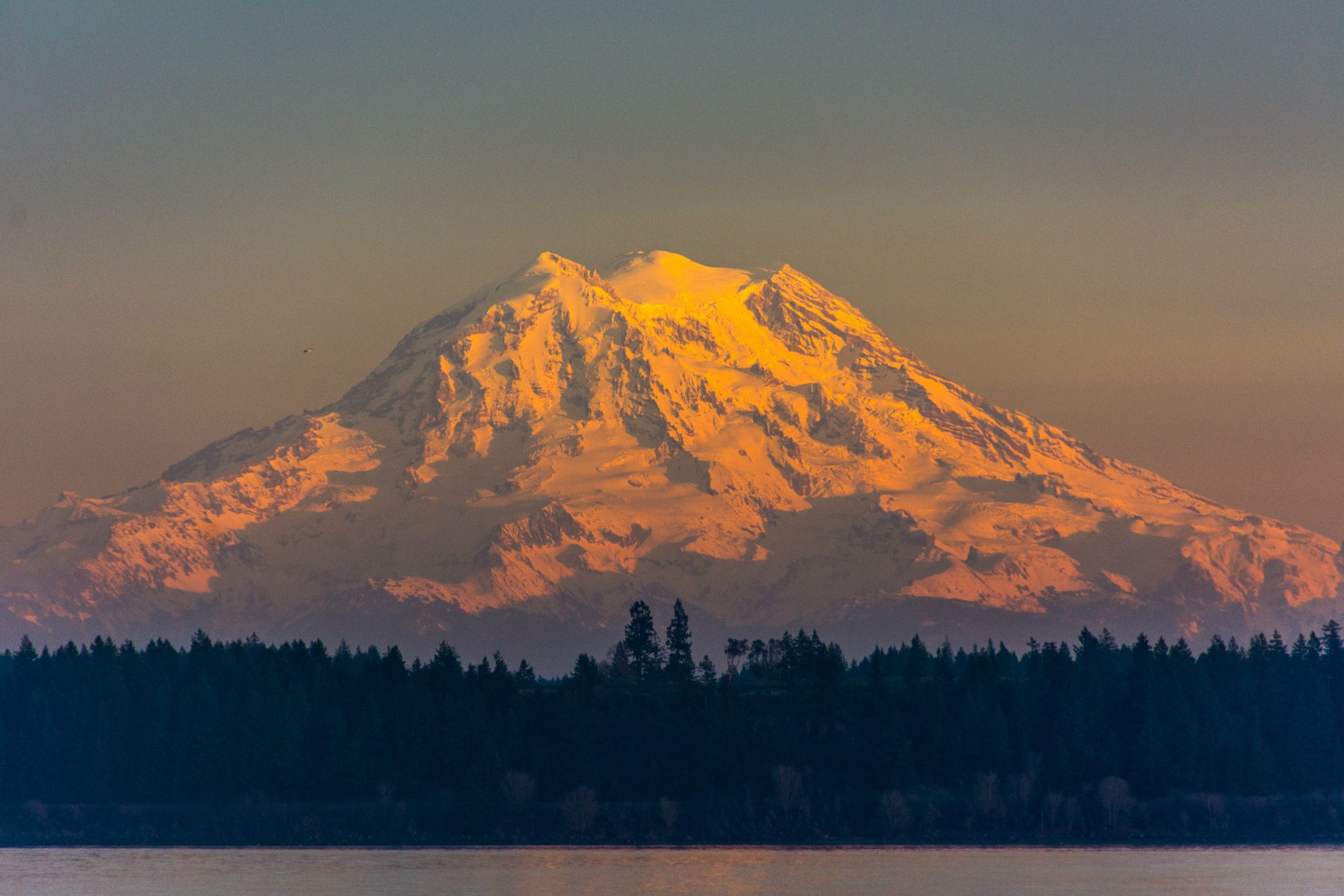
Rising above the forests of Washington state, Mount Rainier is more than just a mountain—it’s a living symbol of the Pacific Northwest. At 14,411 feet, it’s the highest peak in the Cascade Range, often crowned with snow and wrapped in mist. But the mountain is only part of the story. Mount Rainier National Park welcomes millions of visitors every year, offering a playground of wildflower meadows, ancient forests, and thundering waterfalls. Whether you love hiking, taking photos, or simply breathing in fresh mountain air, the park has something special for everyone.
Top Things To Do In Mount Rainier National Park
Mount Rainier National Park is full of activities, from gentle walks to challenging climbs. Let’s explore some highlights.
1. Paradise: The Heart Of The Park
Paradise is the park’s most famous area, known for its vibrant wildflower fields in summer and deep snow in winter. Here are must-do activities in Paradise:
- Walk the Skyline Trail for breathtaking views of Mount Rainier and the surrounding valleys. The full loop is about 5.5 miles, but shorter options are available.
- Visit the Henry M. Jackson Visitor Center for maps, information, and educational displays.
- In winter, try snowshoeing or sledding. Paradise often records the highest snowfall in the country.
2. Sunrise: Spectacular Mountain Vistas
Sunrise is the highest point in the park you can reach by car (6,400 feet). This area is famous for its open views and alpine environment.
- Hike the Sourdough Ridge Trail for incredible sunrise and sunset views.
- Spot mountain goats and marmots along the trails.
- Bring a picnic and enjoy the scenery at the Sunrise Visitor Center.
3. Longmire: History And Easy Trails
Longmire is the park’s historical center. It’s a perfect starting point for families and those seeking gentle walks.
- Explore the Trail of the Shadows, an easy loop through old-growth forest and hot springs remains.
- Visit the Longmire Museum to learn about the park’s history and wildlife.
- Stay at the National Park Inn for a rustic overnight experience.
4. Ohanapecosh: Ancient Forests And Waterfalls
Ohanapecosh is less crowded and offers a different side of Mount Rainier—towering trees and the rushing Ohanapecosh River.
- Walk the Grove of the Patriarchs Trail to see 1,000-year-old Douglas firs and cedars.
- Discover Silver Falls, a powerful waterfall surrounded by lush forest.
- Camp under the stars at the Ohanapecosh Campground.
5. Wonderland Trail: For Serious Hikers
If you want a challenge, the Wonderland Trail is a 93-mile loop around Mount Rainier. Most people take 9–14 days to finish it.
- See every side of the mountain as you cross rivers, meadows, and forests.
- Permits are required and must be reserved in advance.
- Even hiking a small section is rewarding for day hikers.
Popular Attractions And Natural Wonders
Mount Rainier National Park is packed with scenic spots. Some are easy to reach by car, while others need a bit more effort.
| Attraction | Best Season | Accessibility |
|---|---|---|
| Paradise Wildflowers | July–August | Easy (by car) |
| Christine Falls | Spring–Fall | Easy (short walk) |
| Reflection Lakes | Summer–Early Fall | Easy (by car, short walk) |
| Myrtle Falls | Summer–Fall | Easy (paved path from Paradise) |
Reflection Lakes is popular for sunrise photos. On calm days, you can see Mount Rainier’s reflection in the water. Myrtle Falls is one of the most photographed waterfalls in the park, just a short walk from the Paradise parking lot.

Credit: www.nationalgeographic.com
Seasonal Activities
Each season brings something new to Mount Rainier National Park. Knowing what to expect helps you plan the perfect trip.
Summer (july–september)
- Best time for wildflowers, hiking, and camping.
- Roads to Paradise and Sunrise are usually open.
- Waterfalls are at their fullest.
Fall (september–october)
- Fewer crowds and beautiful autumn colors.
- Some facilities and roads start to close.
Winter (november–may)
- Paradise becomes a winter sports hub: Snowshoeing, cross-country skiing, and sledding.
- Some roads close due to snow, but the park remains open.
Spring (may–june)
- Lower-elevation trails open first.
- Melting snow feeds powerful waterfalls.
| Season | Main Activities | Possible Challenges |
|---|---|---|
| Summer | Hiking, wildflowers, camping | Busy trails, limited parking |
| Winter | Snowshoeing, sledding | Road closures, avalanche risk |
Essential Tips For Your Visit
Planning ahead can make your trip smoother and more enjoyable. Here are some important tips:
- Arrive early to find parking, especially on weekends.
- Check road and trail conditions before you visit. Weather can change quickly.
- Carry layers, even in summer. Weather is unpredictable.
- Wildlife safety: Never feed animals. Keep a safe distance.
- Permits: Some hikes and campsites require advance permits.
- Cell service is limited. Download maps ahead of time.
A tip many beginners miss: Snow can linger on trails into July, especially at higher elevations. Always check conditions or ask a ranger before heading out, even if it’s summer.
Another insight: Mosquitoes can be intense near lakes and meadows after snow melts. Pack insect repellent during June and July.

Credit: www.usgs.gov
Comparing The Main Visitor Areas
Choosing where to spend your time depends on your interests. Here’s a quick comparison:
| Area | Main Feature | Best For |
|---|---|---|
| Paradise | Wildflowers, mountain views | Families, photographers |
| Sunrise | Alpine scenery | Hikers, sunrise lovers |
| Longmire | History, easy trails | Families, history buffs |
| Ohanapecosh | Ancient forest, waterfalls | Nature lovers, campers |
Where To Stay And Eat
Inside the park, options are simple but comfortable. The National Park Inn (Longmire) and the Paradise Inn (Paradise, open seasonally) offer classic lodging. Campgrounds like Ohanapecosh and Cougar Rock fill up fast—reserve early if you want a spot.
There are no fast-food chains inside the park, and dining options are limited. Pack a picnic or snacks for your day. Gas stations are not available within the park, so fill up before you enter.
Credit: www.thurstontalk.com
Frequently Asked Questions
How Much Does It Cost To Enter Mount Rainier National Park?
A private vehicle pass is $30 and is good for seven days. Annual and interagency passes are also available.
What Is The Best Month To Visit Mount Rainier?
Most visitors prefer July or August for wildflowers and clear trails. However, these months are also busiest.
Can I Climb Mount Rainier Without A Guide?
Climbing the summit is dangerous and requires experience with glacier travel. Beginners should hire a guide or join a climbing group.
Are Pets Allowed In Mount Rainier National Park?
Pets are not allowed on trails, in wilderness areas, or in buildings. They are allowed in campgrounds and parking lots, but must be on a leash.
Where Can I Find More Information?
Visit the National Park Service website for the latest updates on trails, weather, and permits.
Mount Rainier offers adventure, beauty, and peace in every season. With a little planning, your visit can be a memory for life.
