
Puʻuhonua o Hōnaunau National Historical Park is one of Hawaiʻi’s most treasured cultural sites. Located on the west coast of the Big Island, this park is much more than just a scenic spot. It is a place where ancient Hawaiian traditions come alive.
Visitors can explore history, sacred spaces, and unique landscapes, all within a single visit. Whether you are interested in learning, relaxing, or adventuring, this park offers something for everyone.
Exploring The Royal Grounds
The heart of the park is the Royal Grounds, which were once reserved for Hawaiian chiefs. Here, you can walk along lava stone paths and see restored structures that showcase traditional Hawaiian architecture.
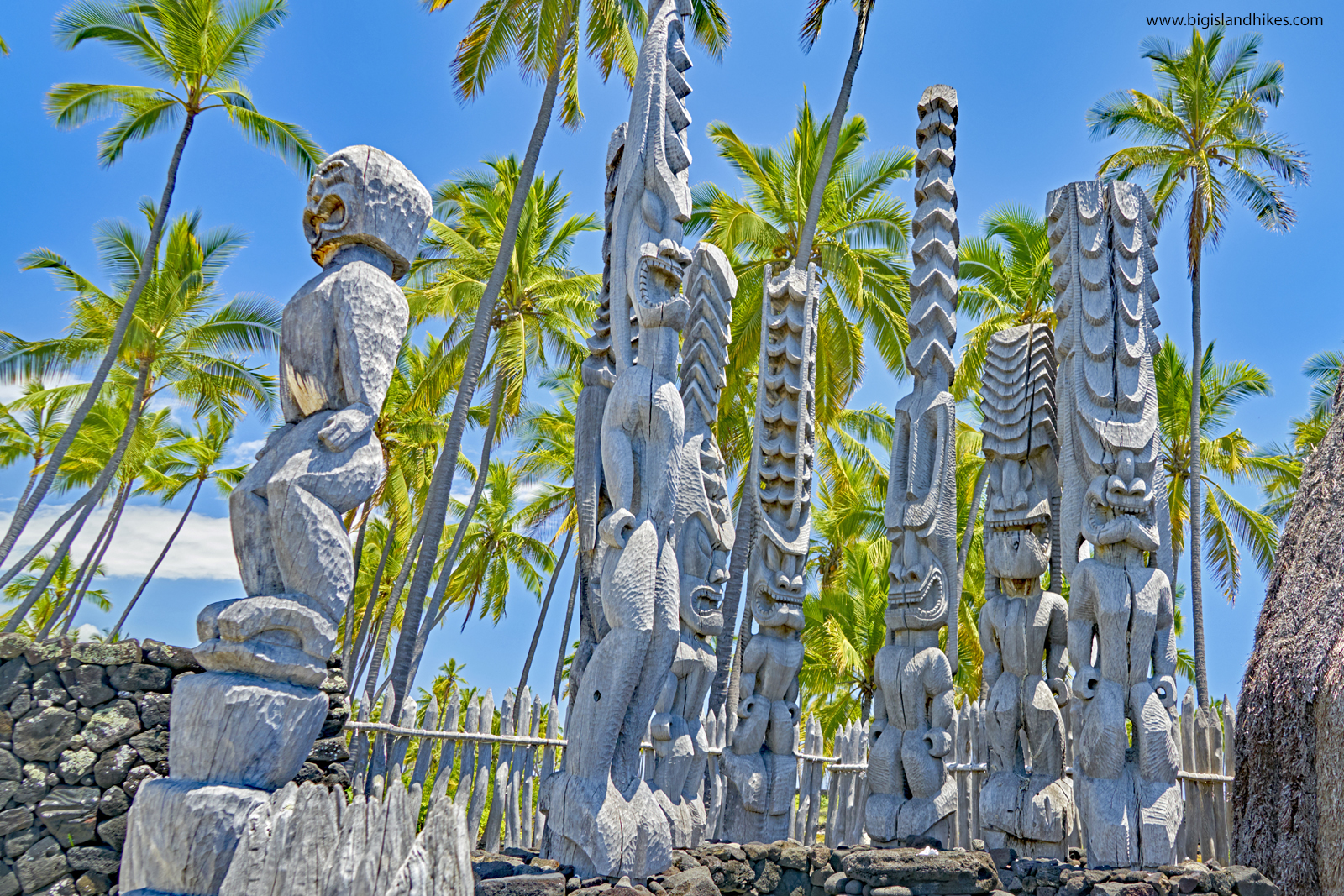
- Hale o Keawe: This ancient temple was a burial site for high-ranking chiefs. Its wooden replica stands today, surrounded by carved kiʻi (wooden statues).
- Fishponds and Canoe Landing: These areas reveal how Hawaiians managed resources and traveled across the ocean. Watch for stone walls and remnants of old fishponds.
You’ll notice that the Royal Grounds have a peaceful atmosphere. Early in the morning, the sunlight on the lava rocks creates a stunning view. This area is perfect for photos and quiet reflection.
Puʻuhonua Sanctuary: A Place Of Refuge
The park’s name means “place of refuge.” In ancient times, those who broke Hawaiian laws could escape here and be forgiven. The Puʻuhonua Sanctuary is a must-see for anyone interested in Hawaiian culture.
- Great Wall: This massive stone wall, over 17 feet thick and 10 feet high, marked the sanctuary’s boundary. It is an impressive example of ancient Hawaiian engineering.
- Sacred Sites: Inside the sanctuary, you’ll find platforms and altars used for rituals. These are carefully preserved, and respectful behavior is expected.
Walk slowly and read the park signs. Many visitors miss the meaning behind the sites, but park rangers offer short tours that explain the history. Don’t hesitate to ask questions—they love sharing their knowledge.

Credit: en.wikipedia.org
Activities For Visitors
There’s more to Puʻuhonua o Hōnaunau than just sightseeing. The park offers several activities that help you experience Hawaiian culture and nature.
Self-guided Walking Tour
Pick up a map at the visitor center and follow the marked trails. The main loop is about 0. 5 miles and takes 30–45 minutes. Signs along the route provide facts and stories.
Ranger-led Programs
Join a ranger talk or demonstration. These are offered most days and cover topics like traditional crafts, Hawaiian customs, or the natural environment. Times are posted at the entrance.
Snorkeling At Hōnaunau Bay
Just outside the park, Hōnaunau Bay is famous for clear water and colorful reefs. Snorkeling here is popular, but remember that the park itself does not allow swimming within its boundaries. Nearby “Two Step” is a top spot for both beginners and experienced snorkelers.
Picnicking And Relaxation
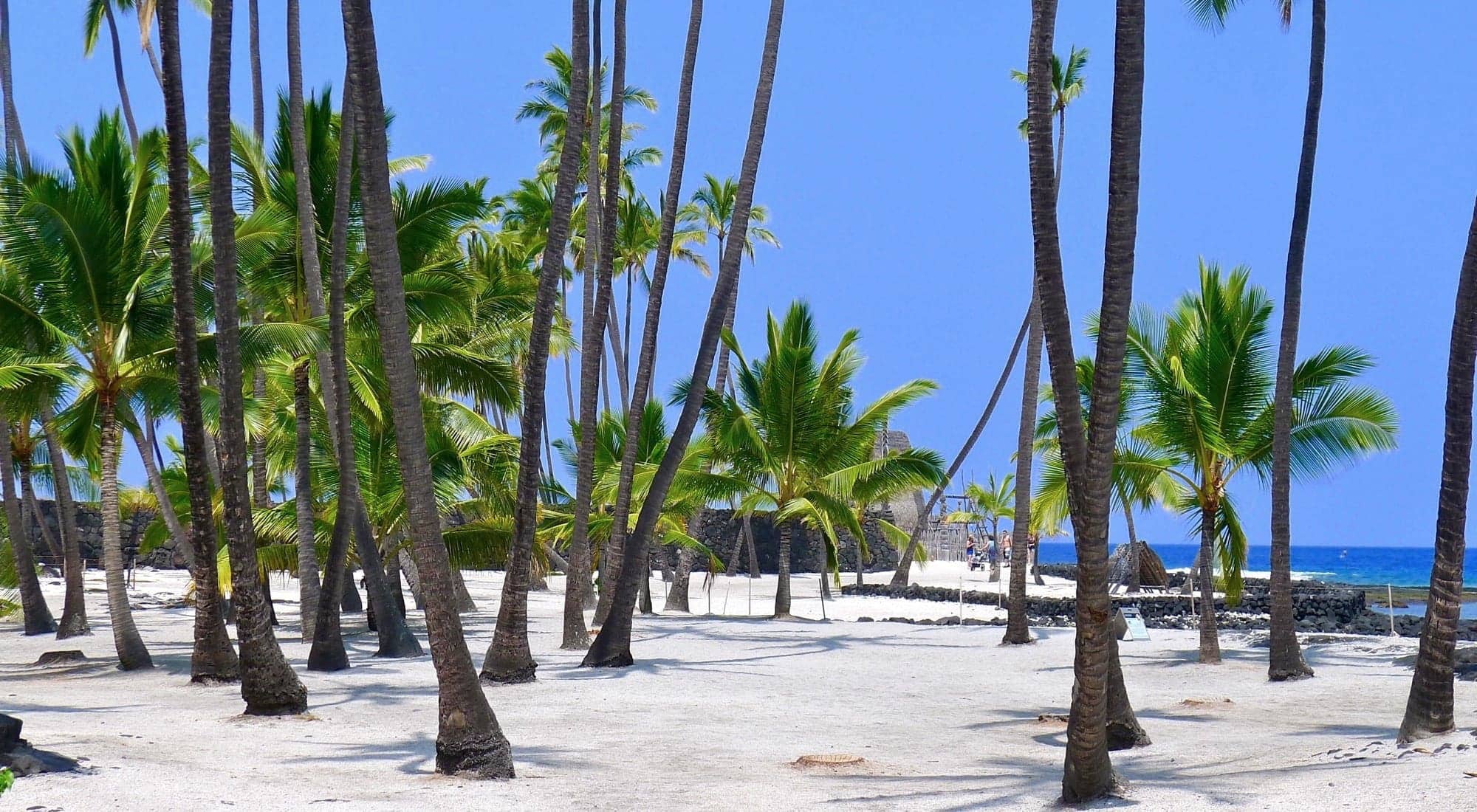
There are shaded areas near the visitor center with picnic tables. Bring snacks and enjoy the view of palm trees and the ocean. Many visitors find this a relaxing break after walking the park.
Unique Wildlife And Plants
Puʻuhonua o Hōnaunau is home to many native Hawaiian species. If you look closely, you’ll spot birds, fish, and plants that are rare elsewhere.
- Green sea turtles (honu): Sometimes seen resting on the shore.
- Naupaka: A native plant with a unique half-flower shape.
- Myna birds and cardinals: Commonly seen around the grounds.
The park’s ecosystem is delicate. Avoid touching wildlife or plants, and stay on marked paths.
Comparison: Puʻuhonua O Hōnaunau Vs. Other Big Island Parks
The Big Island has several national parks, but Puʻuhonua o Hōnaunau stands out for its cultural focus. Here’s how it compares:
| Park Name | Main Attraction | Best For | Entry Fee |
|---|---|---|---|
| Puʻuhonua o Hōnaunau | Ancient sanctuary, Royal Grounds | Cultural learning | $20/vehicle |
| Hawaiʻi Volcanoes NP | Active volcanoes, lava flows | Adventure | $30/vehicle |
| Kaloko-Honokōhau NP | Fishponds, wildlife | Nature walks | Free |
Most visitors find that Puʻuhonua o Hōnaunau offers a deeper look into Hawaiian traditions compared to other parks.
Tips For Your Visit
A few practical tips can help you enjoy your trip even more:
- Arrive early: The park opens at 7:30 am. Early hours are less crowded and cooler.
- Wear comfortable shoes: Paths are uneven lava rock.
- Bring water and sunscreen: There is little shade outside the picnic area.
- Respect sacred spaces: Avoid loud noises and follow posted signs.
- Check for events: Special cultural events take place throughout the year.
Many visitors overlook the importance of respecting local customs. Even simple actions, like not touching statues, help preserve the site for the future.
Credit: bigislandhikes.com
Data: Visitor Numbers And Trends
The park attracts thousands each year, but visitor numbers are lower than at larger parks. Here’s a look at recent statistics:
| Year | Visitors | Trend |
|---|---|---|
| 2021 | 153,000 | Recovery after COVID |
| 2022 | 177,000 | Increasing |
| 2023 | 185,000 | Stable |
Compared to Hawaiʻi Volcanoes National Park (over 1 million visitors yearly), Puʻuhonua o Hōnaunau offers a quieter, more personal experience.
Non-obvious Insights
Most tourists focus on the main landmarks and miss two important things:
- Talk to the rangers: They share stories that aren’t on signs.
- Notice the small details: Look for petroglyphs (ancient carvings) on rocks near the shoreline.
These details give you a richer experience and deeper understanding of the place.
Credit: www.lovebigisland.com
Frequently Asked Questions
What Is The Meaning Of Puʻuhonua O Hōnaunau?
It means “place of refuge at Hōnaunau”. In ancient Hawaii, this was a sanctuary where people could avoid punishment for breaking laws.
Can I Swim Or Snorkel Inside The Park?
No, swimming is not allowed inside the park boundaries. However, the nearby Hōnaunau Bay (“Two Step”) is famous for snorkeling.
How Long Does A Typical Visit Take?
Most visitors spend 1–2 hours exploring the park. If you join a ranger program or picnic, you might stay longer.
Is There An Entrance Fee?
Yes, the fee is $20 per vehicle for a 7-day pass. This supports maintenance and preservation.
Where Can I Learn More About Hawaiian Culture?
You can read official information at the park website or visit National Park Service for in-depth guides and resources.
Whether you’re a history lover or just seeking beautiful landscapes, Puʻuhonua o Hōnaunau offers a special look into ancient Hawaii. Plan ahead, respect local customs, and enjoy the peaceful atmosphere of this unique park.
