
Cooking a turkey can feel like a big challenge, especially when you want it to turn out juicy and delicious. You might have heard about “tenting” your turkey with foil while it cooks.
But is this step really necessary? Should you tent your turkey or let it roast uncovered? The answer can make a big difference in how your turkey tastes and looks. If you want to avoid dry meat and get that perfect golden skin, keep reading.
This guide will help you decide whether tenting is right for your turkey and how to do it the right way.
Credit: www.reynoldsbrands.com
Benefits Of Tenting Turkey
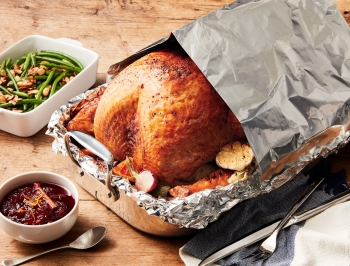
Tenting a turkey means covering it loosely with foil during cooking. This simple step can improve your turkey’s taste and texture. It helps keep the bird juicy and cooks it more evenly. Many cooks use tenting to avoid common turkey cooking problems.
Here are some key benefits of tenting your turkey while it cooks.
Retaining Moisture
Tenting traps steam around the turkey. This steam keeps the meat moist and tender. Without a tent, the turkey can dry out. The foil acts like a shield, holding in natural juices. A moist turkey tastes better and feels softer when you eat it.
Even Cooking
Foil tent helps the turkey cook evenly. It slows down the heat on the outside. This gives the inside more time to cook fully. The turkey cooks through without burning the skin. Even cooking means less chance of raw spots inside.
Preventing Over-browning
Turkey skin can brown too fast in the oven. Tenting stops the skin from burning before the meat is done. The foil reflects heat, softening the cooking speed. This way, the skin gets golden and crispy, not black or tough.

Credit: lifehacker.com
When To Tent Your Turkey
Tent your turkey at the right time to get the best results. Tenting means covering the turkey with foil. It controls how much the skin browns and keeps the meat juicy. Knowing when to tent helps avoid dry or burnt parts. This section explains the best moments to tent your turkey during cooking.
During Initial Cooking
Usually, do not tent the turkey at the start. The skin needs to crisp and turn golden brown. Tenting too early traps steam and makes the skin soggy. Let the turkey cook uncovered for the first half or two-thirds of the time. This step helps the outside get a nice color and texture.
Towards The End Of Roasting
Start tenting the turkey when it is nearly done. Covering with foil slows browning and protects the skin. This keeps the meat moist and stops the turkey from drying out. Tent the bird once the internal temperature reaches about 150°F (65°C). Leave the foil on for the last 20 to 30 minutes while it finishes cooking.
Materials For Tenting
Tenting a turkey helps keep it moist during cooking. Choosing the right material for tenting matters. The material must shield the bird but allow heat to circulate. Some materials work better than others. Here are common options for tenting your turkey.
Aluminum Foil Options
Aluminum foil is the most popular choice for tenting. It reflects heat and keeps the turkey skin from burning. Use heavy-duty foil for better strength and less tearing. Light foil can rip easily and cause heat loss. Make a loose tent over the bird to trap steam. Avoid pressing foil tightly on the turkey; it can stick to the skin.
Alternatives To Foil
Parchment paper can work instead of foil for tenting. It allows steam to escape and prevents skin sogginess. Use a baking sheet or roasting lid as a cover. These trap heat but do not touch the turkey. Silicone lids are reusable and easy to clean. Cloth covers are less common but can protect from direct heat. Choose an option that fits your roasting pan size well.
Common Mistakes With Tenting
Tenting a turkey with foil is a popular cooking step. It helps keep the bird moist and prevents over-browning. But many cooks make simple mistakes while tenting. These mistakes can change the turkey’s texture and flavor. Avoiding these errors leads to a better, juicier turkey.
Leaving Foil On Too Long
Some people leave the foil on the turkey for the entire cooking time. This traps heat and steam, which can make the skin soggy. The foil stops the skin from getting crispy and golden. Remove the foil during the last 30 minutes of cooking. This allows the skin to brown and become crunchy.
Tenting Too Tightly
Wrapping the foil tightly around the turkey is another common error. Tight foil blocks air from circulating around the bird. This traps steam and moisture, making the skin soft. The foil should form a loose tent above the turkey. This keeps the heat in but lets steam escape.
Impact On Turkey Skin
The skin of a turkey plays a big role in how tasty it feels. The way you cook your turkey changes the skin’s texture and look. Tenting the turkey with foil can keep the meat moist. But it also changes the skin’s crispiness. Understanding this impact helps you decide if tenting is right for your turkey.
Knowing how tenting affects the skin lets you cook your turkey better. It helps balance moisture and crispiness for a great meal.
Achieving Crispy Skin
Crispy skin is a favorite part of the turkey. To get crisp skin, the heat must reach the skin directly. Tenting with foil traps steam and moisture. This moisture stops the skin from drying out and crisping. For crispy skin, cook the turkey uncovered for some time. This lets the skin dry and become crunchy.
When Tenting Affects Texture
Tenting keeps heat and moisture close to the turkey. This slows down the drying of the skin. The skin stays soft or even soggy. The foil cover can cause the skin to sweat. This changes the texture from crispy to rubbery. Soft skin may be fine for some, but not for crispy skin lovers.
:max_bytes(150000):strip_icc()/GettyImages-628014018-438857a0660f4eaa8fa656ab84145d4c.jpg)
Credit: www.southernliving.com
Tips For Perfect Turkey Roasting
Roasting a turkey is a special task. Getting it just right means the meat stays juicy and the skin turns golden. These tips help you cook a perfect turkey every time. Simple steps make a big difference in taste and texture.
Balancing Heat And Moisture
Heat and moisture must work together in roasting. Too much heat dries the meat. Too little heat keeps it undercooked. Tent the turkey with foil to keep moisture in. Remove the foil near the end to brown the skin. This way, the turkey stays juicy and looks appealing.
Resting The Turkey After Cooking
Resting the turkey is important after cooking. Let it sit for 20 to 30 minutes before cutting. This allows juices to settle inside the meat. Cut too soon, and the juices run out. Resting makes the turkey tender and flavorful. Always cover it loosely with foil during this time.
Frequently Asked Questions
Should You Tent Turkey With Foil While Cooking?
Tenting turkey with foil helps prevent over-browning and retains moisture. It shields the breast from direct heat, ensuring even cooking. Remove the foil in the last 30 minutes for crisp skin.
Does Tenting Turkey Keep It Juicy?
Yes, tenting traps steam and moisture, keeping the turkey juicy. It reduces drying out during roasting and helps maintain tenderness.
When Should You Remove Foil Tent From Turkey?
Remove the foil tent in the final 20-30 minutes to brown the skin. This step ensures a crispy, golden exterior without drying the meat.
Can Tenting Turkey Affect Cooking Time?
Tenting slightly slows cooking by insulating the bird. Adjust cooking time accordingly and monitor internal temperature for perfect doneness.
Conclusion
Tenting your turkey helps keep it moist and tender. It stops the skin from burning while cooking. You can remove the tent near the end for crispy skin. Many cooks find it useful for even cooking. Try it once and see how your turkey turns out.
Small changes like this can make a big difference. Enjoy a juicy, delicious turkey at your next meal.
