
Pitching A Tent On Concrete: A Complete Guide
Camping brings adventure and fresh air, but sometimes you don’t have soft ground to set up your tent. Maybe you’re on a rooftop, in a backyard, or at a festival where the only space is bare concrete. Setting up a tent on concrete is possible, but it’s not as simple as on grass. You need to handle anchoring, comfort, and protection differently. Let’s explore everything you need to know to make your next “urban camping” safe and comfortable.
Why Pitch A Tent On Concrete?
Concrete may not sound inviting, but there are good reasons to use it:
- Urban camping: Rooftops, patios, or city parks often have paved surfaces.
- Events and festivals: Large gatherings sometimes allow tents only on paved areas.
- Backyard sleepovers: If your yard is paved, grass may not be an option.
- Safety: Sometimes concrete is more secure and less muddy after rain.
Concrete offers a level surface, but it can be hard, cold, and tricky to anchor. It’s important to plan ahead.
Choosing The Right Tent
Not every tent is suited for concrete. Here’s what to look for:
- Freestanding tents: These have rigid frames and stand without stakes.
- Strong base: A tough, thick floor helps with comfort and protection.
- Easy setup: Look for tents with simple pole systems.
For example, a dome tent or pop-up tent works well. Avoid tents that depend heavily on stakes for shape.
| Type | Best Feature for Concrete | Common Issues |
|---|---|---|
| Dome Tent | Freestanding, easy to move | May slide in wind |
| Pop-up Tent | Quick setup, no stakes needed | Less stable in strong wind |
| Tunnel Tent | Spacious | Needs anchoring to hold shape |

Credit: mvpvisuals.com
How To Anchor Your Tent Safely
Anchoring is the biggest challenge on concrete. You can’t drive stakes into solid ground. Instead, try these methods:
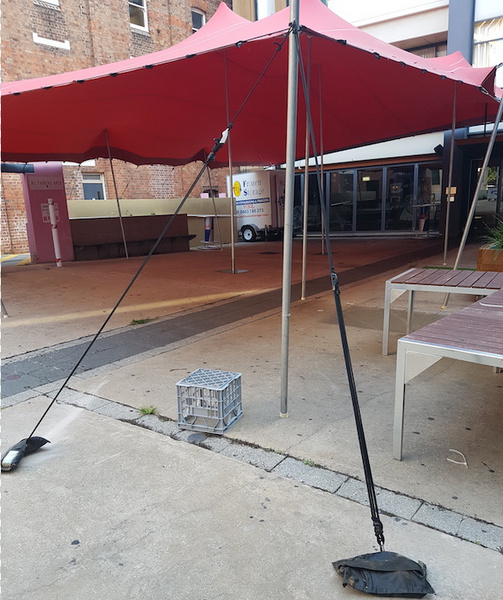
- Weights: Use sandbags, water jugs, bricks, or gym weights. Place them over the tent’s anchor points or tie them to the tent loops.
- Tie-downs: Use ropes to attach your tent to nearby fixed objects (like fence posts or railings).
- Adhesive hooks: Stick hooks to the concrete to help secure ropes, but test the strength first.
Some campers create their own “anchor bags” using zippered pouches filled with sand or gravel. Distribute weight evenly to avoid tipping.
| Anchoring Method | Strength | Best Use |
|---|---|---|
| Sandbags | High | Windy conditions |
| Water jugs | Medium | Temporary setups |
| Adhesive hooks | Low | Light tents, short stays |
Making Your Tent Comfortable
Concrete is hard and cold. For a good night’s sleep, focus on insulation and padding.
- Ground tarp: Place a thick tarp under your tent to protect the floor and block moisture.
- Sleeping pads: Use foam or air pads for softness and warmth.
- Rugs or blankets: Extra layers improve comfort and help insulate.
A beginner mistake is using only a thin tent floor, which leads to aches and chills by morning. Always add at least two layers between you and the concrete.
Credit: www.stretchstructures.com
Protecting Your Tent And Yourself
Concrete can damage tent fabric and cause injury if you trip. Take these steps:
- Use a footprint: A tent footprint is a special groundsheet that fits your tent’s size.
- Avoid sharp objects: Sweep the area before pitching your tent.
- Check for water pooling: Concrete can collect water. Set up your tent on the highest spot and use tarps to redirect rain.
- Secure the tent: Double-check all anchor points and weights. Strong winds can move tents on smooth surfaces.
It’s easy to overlook the need for a footprint, but this extra layer prevents rips and extends your tent’s life.
Weather Considerations
Concrete reflects heat and cold differently from soil. Here’s what to expect:
- Hot weather: Concrete gets much hotter than grass. Use reflective tarps or shade to keep your tent cool.
- Cold weather: The surface stays cold and can make sleeping uncomfortable. Extra insulation is key.
- Rain: Water doesn’t drain well on concrete. Keep your tent waterproof and use tarps to redirect water.
For weather data, studies show concrete surfaces can reach over 50°C (122°F) in summer sun, making them much hotter than grass. Always check the forecast and adapt your setup.
Common Mistakes To Avoid
Many beginners struggle with tents on concrete. Watch out for these issues:
- Not anchoring properly: Tents can shift or blow away.
- Ignoring insulation: Leads to cold, uncomfortable nights.
- Skipping the footprint: Results in torn tent floors.
- Choosing the wrong tent: Non-freestanding tents collapse without stakes.
A less obvious mistake is not checking the slope of the concrete. Even small slopes can cause your tent to slide or collect water.
Practical Tips For Success
Here are some expert-tested tips to help you:
- Use double tarps: One under the tent, one inside, for extra warmth.
- Bring extra weights: You may need more than you think, especially in windy areas.
- Try foam tiles: Interlocking foam tiles make a soft, warm floor.
- Test your anchor points before sleeping.
- Always have a backup plan for rain or wind.
Many experienced campers also recommend setting up your tent during daylight for better visibility and safety.

Credit: www.hoosiertent.com
Real-world Examples
In cities like Tokyo, rooftop camping has become popular. Campers use weights and foam flooring to create cozy spaces above the city. At music festivals, organizers often require tents to be anchored with water barrels for safety.
A family in Berlin used adhesive hooks and sandbags to set up a tent on their apartment balcony, turning it into a fun play area for kids.
For more on tent safety and urban camping, you can check this Wikipedia page.
Frequently Asked Questions
How Do You Anchor A Tent On Concrete?
You can anchor a tent using weights, such as sandbags or water jugs, and tie-downs attached to fixed objects. Some people use adhesive hooks, but these work best for light tents.
What Is The Best Tent Type For Concrete?
A freestanding tent is best because it does not rely on stakes. Dome tents and pop-up tents are popular choices.
How Can I Make Sleeping On Concrete More Comfortable?
Use a thick tarp, sleeping pads, and foam tiles to insulate and soften the surface. Layer rugs or blankets for extra comfort.
Will My Tent Get Damaged On Concrete?
Without protection, the tent floor can get scratched or torn. Always use a footprint or ground tarp to protect your tent.
Is It Safe To Camp On Concrete In Bad Weather?
It can be safe if you anchor the tent well and use waterproof tarps. Watch for water pooling and be prepared for temperature changes.
Camping on concrete is different, but with the right approach, it can be just as enjoyable as traditional camping. Remember to prepare, anchor well, and focus on comfort. With these tips, your next urban adventure will be a success.
