
The Tuskegee Airmen National Historic Site in Alabama is more than a memorial—it’s a living story. Travelers from across the country visit this historic park to learn about the Tuskegee Airmen, America’s first African American military pilots. The site offers a unique blend of history, education, and outdoor activities. Whether you love museums, want to explore nature, or are curious about aviation, the park delivers experiences for every visitor.
Discover The Historic Hangars
The heart of the site is the Moton Field. Here, you’ll find two restored hangars filled with artifacts and displays. Step inside Hangar 1 to see old uniforms, pilot logbooks, and training equipment. Hangar 2 features detailed exhibits about the Airmen’s journey—from their recruitment in the 1940s to their service in World War II.
Guided tours are available, led by park rangers who share stories that bring the history to life. One surprising fact: over 15,000 men and women trained at Tuskegee, including mechanics, navigators, and nurses—not just pilots.
| Hangar | Main Attraction | Estimated Visit Time |
|---|---|---|
| Hangar 1 | Artifacts & Uniforms | 30 minutes |
| Hangar 2 | Interactive Exhibits | 45 minutes |
Explore The Outdoor Spaces
The grounds around Moton Field are open for walking and reflection. You can stroll along the Heritage Trail and see informational signs explaining the Airmen’s daily life. The park is peaceful, with benches and shaded areas perfect for a break.
Birdwatchers will enjoy spotting local wildlife, and photographers often capture stunning images of the open skies and historic buildings. The site has picnic tables, making it easy to enjoy a meal outdoors.
Practical Tips For Outdoor Activities
- Bring water, especially in summer—the Alabama heat is real.
- Wear comfortable shoes for walking.
- Early mornings offer cooler temperatures and fewer crowds.

Credit: www.maxwell.af.mil
Educational Programs And Events
The Tuskegee Airmen site hosts regular events, including Living History Days. During these events, volunteers dress as Airmen and share stories about their training and flights. Visitors can try flight simulators and learn about aviation basics. School groups often visit for hands-on activities that explain the science behind flight.
The park also offers summer camps and workshops for kids. These programs teach teamwork, problem-solving, and the importance of perseverance—values the Airmen showed every day.
| Event | Month Held | Age Group |
|---|---|---|
| Living History Day | April, October | All Ages |
| Aviation Workshop | June | Kids (8-14) |
| Summer Camp | July | Teens (13-17) |
Key Tourist Attractions Within The Park
A visit to the Tuskegee Airmen National Historic Site offers several must-see attractions:
- Moton Field Control Tower – Stand where Airmen received their orders. The tower gives a unique view of the runway and surrounding fields.
- Memorial Plaza – This outdoor space honors the Airmen with statues and plaques. It’s a quiet place for reflection.
- Walk of Honor – A pathway lined with markers showing the names and achievements of individual Airmen.
- Visitor Center – Stop here for maps, souvenirs, and to watch a short documentary film about the Airmen.
- Aircraft Displays – See restored planes that the Airmen used for training, including the PT-17 Stearman and the AT-6 Texan.
Each attraction offers a different perspective—some focus on personal stories, others on the broader impact of the Airmen’s achievements.
| Attraction | Type | Recommended Visit Time |
|---|---|---|
| Control Tower | Historic Site | 15 minutes |
| Memorial Plaza | Outdoor Memorial | 20 minutes |
| Walk of Honor | Pathway | 15 minutes |
| Visitor Center | Info & Film | 30 minutes |
| Aircraft Displays | Exhibit | 25 minutes |
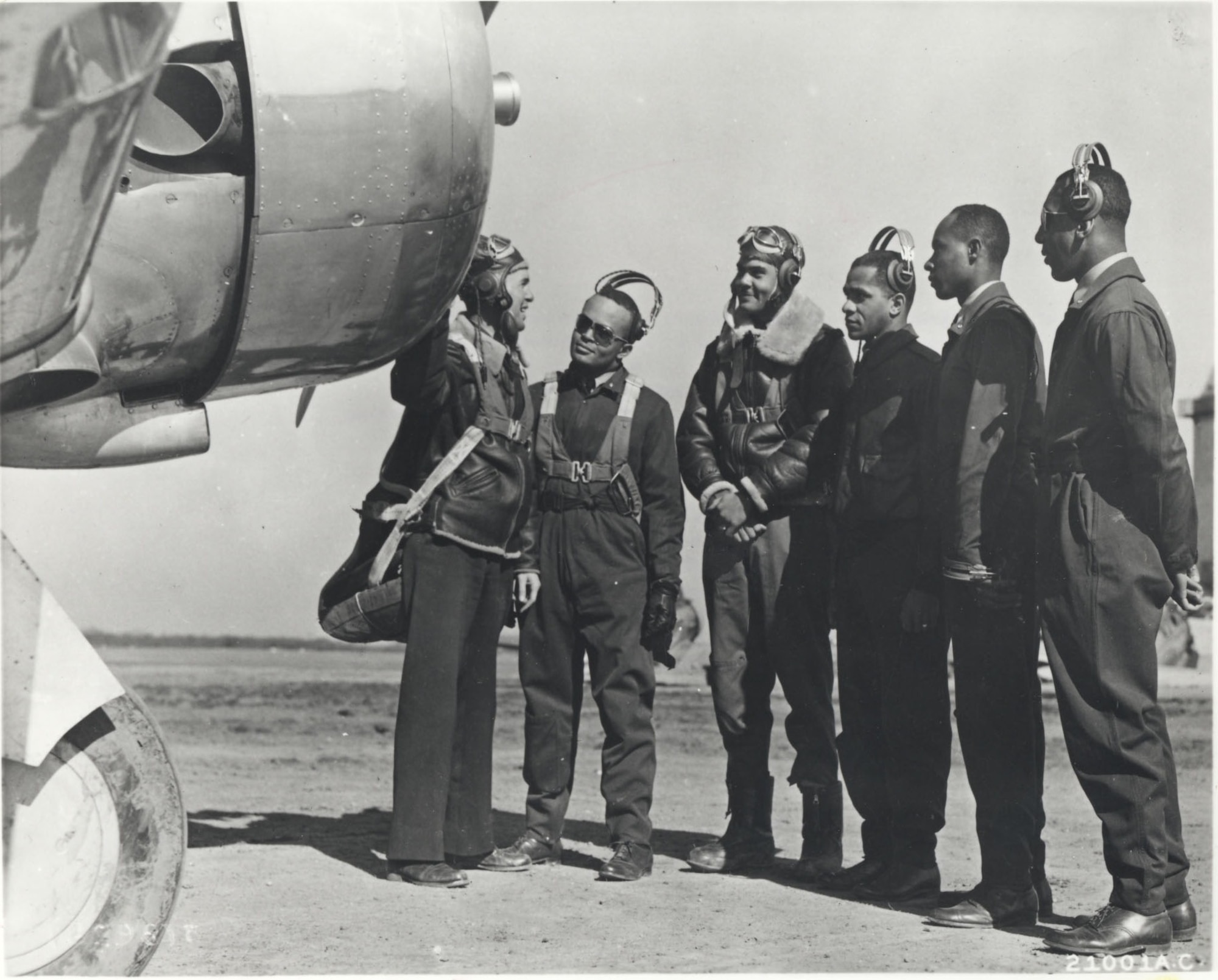
Credit: www.mcchord.af.mil
Hidden Gems And Insights
Most visitors focus on the main buildings, but there are some lesser-known spots worth your time. The Red Tail Memorial Garden is a small area honoring the famous nickname of the Airmen’s planes. It’s a peaceful place to reflect and often missed by bigger tour groups.
Another tip: Check out the oral history stations. These interactive screens let you listen to recordings from actual Airmen. Their voices share experiences about facing discrimination and achieving success against the odds. It’s a powerful way to connect with history.
Don’t skip the Moton Field overlook. It’s a simple spot with a great view of the entire training field. Early morning or sunset brings beautiful light for photos.
Planning Your Visit
The park is open year-round, but hours vary. Entrance is free, making it accessible for all. Parking is available onsite. Most attractions are wheelchair accessible, but some outdoor paths may be uneven.
If you want a deeper experience, join a ranger-led tour. These are scheduled several times a day and often include behind-the-scenes stories not found in the exhibits.
For more detailed history, the official National Park Service site has resources and visitor updates: National Park Service.

Credit: steinmetzcoins.com
Frequently Asked Questions
What Are The Main Things To Do At Tuskegee Airmen National Historic Site?
Visitors can explore the historic hangars, walk the Heritage Trail, join educational programs, and see aircraft displays. The Memorial Plaza and Walk of Honor are also popular.
Is The Park Suitable For Families With Children?
Yes, the park offers workshops, flight simulators, and interactive exhibits. Kids enjoy seeing real airplanes and joining summer camps.
How Much Time Should I Plan For A Visit?
Most guests spend 2–3 hours, including time for tours, exhibits, and outdoor walks. If attending an event, plan for half a day.
Are There Guided Tours Available?
Yes, ranger-led tours are offered daily. These tours include stories, behind-the-scenes facts, and access to special exhibits.
Can I Picnic Or Relax Outdoors?
Absolutely. The park has picnic tables, benches, and shaded spots. Many visitors bring lunch and enjoy the peaceful surroundings.
A trip to the Tuskegee Airmen National Historic Site blends history, learning, and relaxation. Whether you come for the stories or the scenery, this park gives a memorable experience—and helps keep the Airmen’s legacy alive for future generations.
