
A canvas tent is more than just a shelter for camping. It’s a classic choice for outdoor lovers, event planners, and even glamping businesses. The look and feel of a canvas tent are unique. It combines durability, comfort, and a natural aesthetic that stands out from synthetic tents.
But what exactly is a canvas tent? Why do so many people prefer it, and what should you know before buying or using one? This article explores the key facts, real-world examples, and practical advice about canvas tents, helping you understand their value and how to get the most from them.
What Is A Canvas Tent?
A canvas tent is made from woven cotton fabric known as canvas. This material is thicker and heavier than synthetic fabrics like polyester or nylon. Canvas tents have been used for centuries, from army camps to safari lodges. Today, they are popular for camping, festivals, backyard parties, and luxury glamping.
The canvas fabric is usually treated with waterproofing and mildew-resistant coatings. The tent can withstand wind, rain, and sun, making it reliable for multi-day trips or permanent setups. Unlike plastic tents, canvas breathes, reducing condensation and keeping the interior more comfortable.
Key Features Of Canvas Tents
Canvas tents offer several features that set them apart from other types.
Durability
Canvas tents are built to last. The cotton canvas is tough, resists tears, and can handle rough weather. Many canvas tents last 10–20 years with proper care. Synthetic tents often wear out in 2–5 years.
Breathability
Cotton canvas allows air to pass through. This natural ventilation helps prevent moisture buildup inside the tent. It keeps the interior cool in hot weather and reduces condensation in cold conditions.
Insulation
Canvas tents provide better insulation. The thick fabric keeps warmth inside during chilly nights and blocks heat during hot days. This makes them comfortable in changing weather.
Waterproofing
Modern canvas tents are treated with waterproof coatings. They can handle heavy rain if properly maintained. However, they may need re-treatment every few years to stay fully waterproof.
Spacious Design
Many canvas tents are bell tents or wall tents with tall ceilings and vertical walls. This creates more usable space and allows you to stand and move around easily.
Types Of Canvas Tents
There are several popular styles of canvas tents. Each serves different needs.
| Type | Main Use | Shape | Size Range |
|---|---|---|---|
| Bell Tent | Camping, glamping | Round, single pole | 3m to 7m diameter |
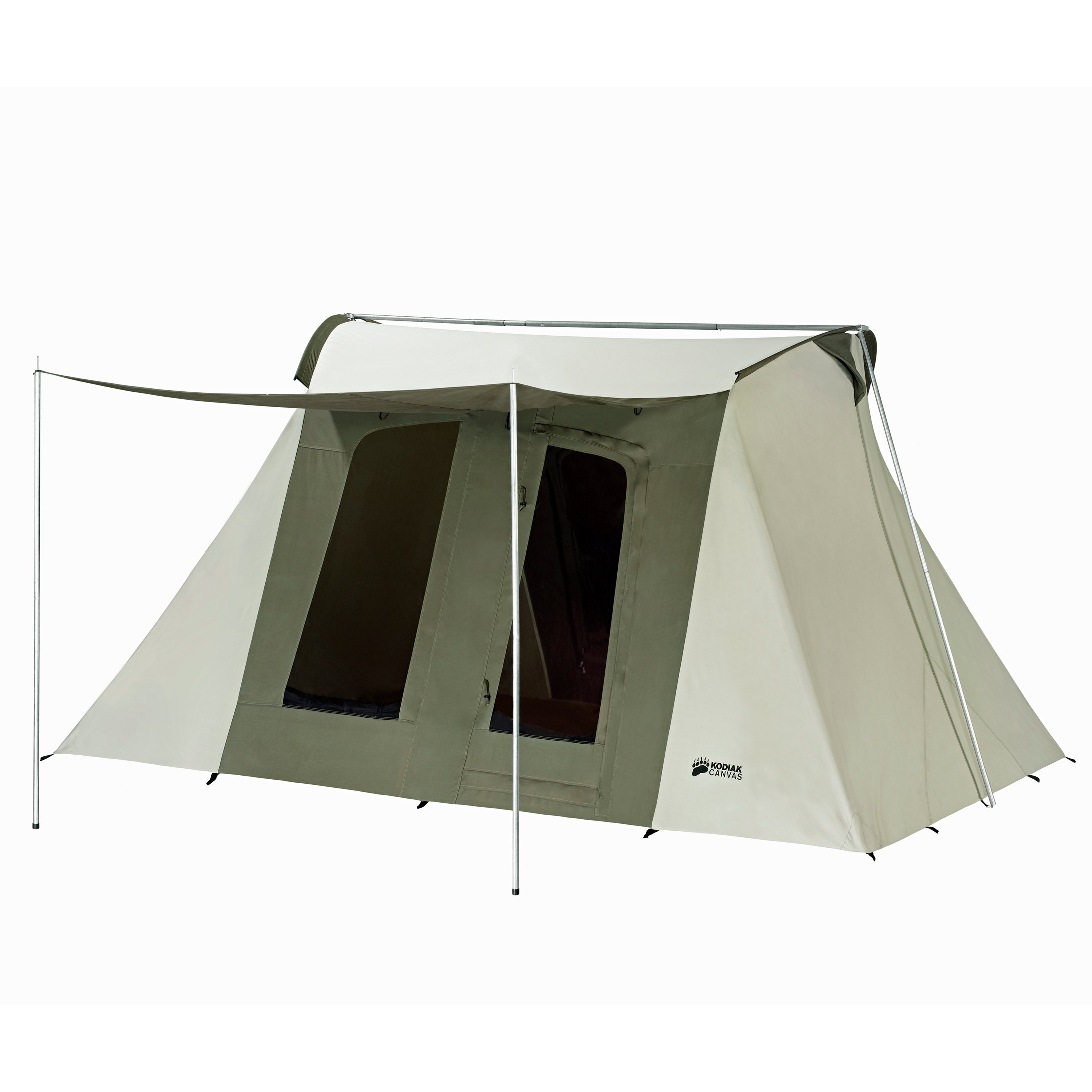
| Wall Tent | Hunting, long stays | Rectangular, frame | 2m x 3m to 4m x 8m |
| Pyramid Tent | Scouting, events | Triangle, single pole | Varies |
| Safari Tent | Lodges, glamping | Large, often framed | 4m x 6m or larger |
Each type has its own pros and cons. For example, bell tents are easy to set up and have a classic look. Wall tents are strong and spacious, good for groups or longer stays.
Canvas Vs. Synthetic Tents
Many people wonder if canvas tents are worth the extra weight and cost. Here’s how they compare to synthetic tents.
| Feature | Canvas Tent | Synthetic Tent |
|---|---|---|
| Weight | Heavy (10–40 kg) | Light (2–7 kg) |
| Durability | Very durable | Moderate |
| Waterproofing | Needs maintenance | Easy to clean |
| Comfort | Breathable, insulated | Can feel stuffy |
| Price Range | $300–$2000 | $100–$600 |
| Lifespan | 10–20 years | 2–5 years |
If you value comfort, long-term use, and space, canvas is the best choice. For lightweight hiking and short trips, synthetic tents are easier to carry.
Credit: www.lifeintents.com
Common Uses Of Canvas Tents
Canvas tents are not just for camping. Their durability and design make them suitable for many activities.
- Family Camping: Large space, comfort for all ages.
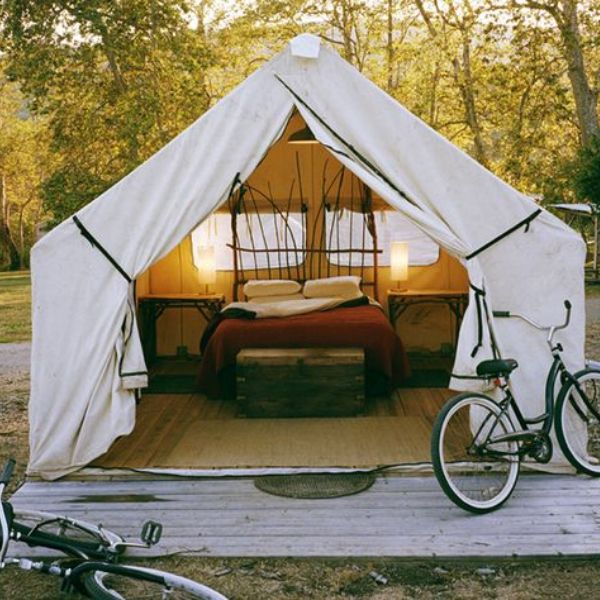
- Glamping: Luxury camping with beds, furniture, and decor.
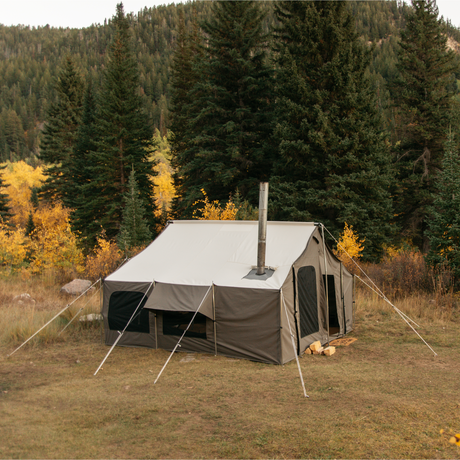
- Hunting Trips: Wall tents offer shelter for gear and groups.
- Festivals & Events: Stylish look for weddings, markets, or parties.
- Backyard Play: Kids’ playhouses or sleepovers.
- Long-Term Camps: Used by scouts, researchers, and field workers.
- Emergency Shelter: Used in disaster relief for their strength.
How To Care For A Canvas Tent
Proper care keeps your canvas tent strong and waterproof for years. Here are some practical tips:
- Dry the tent completely before storage to prevent mold.
- Clean dirt and stains with gentle soap and water (never bleach).
- Re-treat the canvas with waterproofing spray every 2–3 years.
- Store in a cool, dry place, never in plastic bags.
- Repair small holes or tears quickly to avoid bigger damage.
One insight many beginners miss: canvas tents need “seasoning.” Before first use, pitch the tent, soak it with water, and let it dry. This tightens the fibers and improves waterproofing.
Credit: kodiakcanvas.com
Buying A Canvas Tent: What Really Matters
If you’re thinking about buying a canvas tent, pay attention to these factors:
- Canvas Weight: Heavier canvas (10–12 oz per square yard) is stronger but harder to carry.
- Frame Material: Steel frames are solid but heavy; aluminum is lighter.
- Size: Check the floor space and height, especially if you want to stand inside.
- Doors & Windows: More openings mean better airflow but can let in bugs.
- Waterproofing: Look for tents with factory-treated canvas.
- Price: Canvas tents cost more upfront, but last much longer.
Common mistake: Many buyers forget to check if the tent comes with stakes, poles, and groundsheet. Always confirm what’s included before buying.
Canvas Tent Myths And Facts
Some people think canvas tents are old-fashioned or too heavy. But modern designs are easier to set up and lighter than you might expect. For example, a 4m bell tent can be pitched in 20 minutes by one person. And new waterproofing treatments keep the tent dry for years.
Another overlooked fact: canvas tents can handle snow and wind better than thin synthetic tents. Their sturdy frames and thick fabric make them a safer choice for harsh weather.
For more details on tent materials, see Wikipedia’s Tent page.
Credit: kodiakcanvas.com
Frequently Asked Questions
What Makes Canvas Tents Different From Nylon Tents?
Canvas tents are made from woven cotton, while nylon tents use synthetic fabric. Canvas is heavier, stronger, and more comfortable inside. Nylon is lighter and easier to carry, but less durable.
Are Canvas Tents Waterproof?
Yes, but only if the canvas is treated and maintained. Most new canvas tents are waterproof, but older tents may need re-treatment. Always check for leaks before your trip.
How Long Does A Canvas Tent Last?
With good care, a canvas tent can last 10–20 years or more. Synthetic tents usually wear out in a few years. Drying and cleaning after each use is key to long life.
Can You Use A Canvas Tent In Winter?
Absolutely. Canvas tents insulate well and can handle snow, wind, and cold. Many wall tents are used for hunting and winter camping. Always check the tent’s design for safe stove use.
How Do You Clean A Canvas Tent?
Brush off loose dirt, then wash with mild soap and water. Avoid harsh chemicals. Let the tent dry completely before storing. For stubborn mold, use a special canvas cleaner.
A canvas tent is a wise investment for anyone who values comfort, durability, and style in the outdoors. Its versatility suits families, adventurers, and event hosts alike. With the right care and setup, your canvas tent can provide shelter and memories for many years.
