
Imagine waking up in a tent that feels almost like a cozy home, with a circular shape, plenty of space, and a strong, weather-resistant structure. This is what you experience with a yurt tent—a unique shelter that blends tradition and modern comfort. Many people are curious about yurt tents because they look different from regular tents and offer a new way to camp, travel, or even live. If you’re wondering what makes a yurt tent special, you’re not alone. Let’s explore what a yurt tent is, its features, uses, and how it compares with other types of tents.
What Is A Yurt Tent?
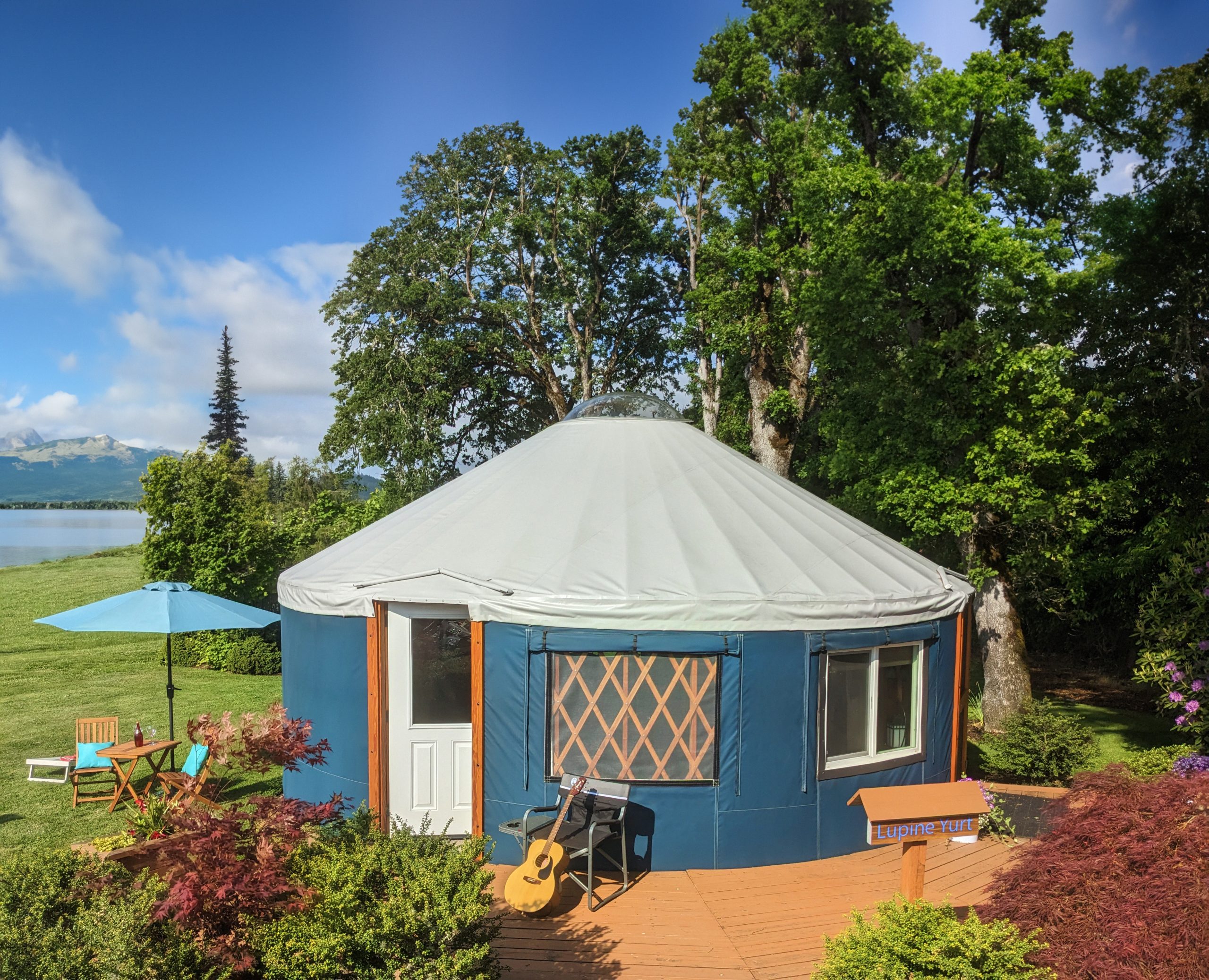
A yurt tent is a round, portable shelter with roots in Central Asian nomadic cultures. Traditional yurts were used by Mongolian herders and other nomads for centuries. Today, modern yurt tents are designed for camping, glamping, backyard retreats, or even full-time living.
The main features of a yurt tent include:
- Circular shape: Unlike square tents, the round design spreads tension evenly, making it very strong.
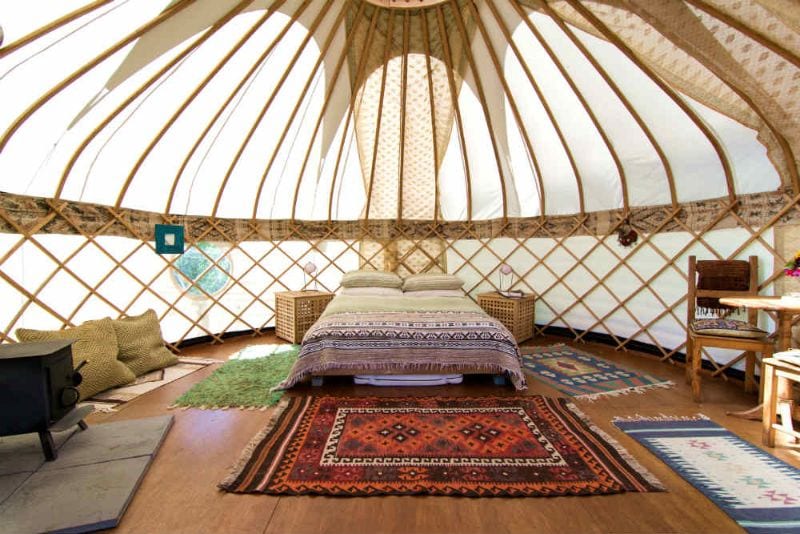
- Central support structure: Usually a wooden or metal frame with lattice walls and a roof ring.
- Weather resistance: Many yurts use thick canvas or modern materials that protect against wind, rain, and snow.
- Spacious interior: The open floor plan gives more usable space than most tents.
Modern yurt tents blend old traditions with new materials. Some even have insulation, windows, and lockable doors. You can set up a yurt tent for a weekend camping trip, a backyard guest room, or as a permanent tiny home.
History And Origin
The word yurt comes from the Turkish language, but the structure is most famous in Mongolia. Mongolian yurts, called ger, were designed for easy setup and takedown because nomads moved often. The round shape helped the yurt stay stable in strong winds on the open steppes.
Over time, the yurt’s clever design spread to other parts of the world. Today, yurt tents are popular in North America, Europe, and Australia—not just for nomads, but for anyone who wants a comfortable, unique shelter.
Credit: www.yurts.com
Key Features Of Yurt Tents
Structure And Materials
Yurt tents combine a simple frame with strong fabric. Here’s how the basic structure works:
- Wall frame: Lattice wood or metal forms the walls. This is lightweight but strong.
- Roof poles: Long poles connect the wall frame to a central roof ring, giving the yurt its dome shape.
- Canvas cover: Thick, waterproof canvas covers the frame. Some yurts use modern, fire-resistant fabrics.
Here’s a comparison of common yurt tent materials:
| Material | Durability | Weather Resistance | Weight |
|---|---|---|---|
| Cotton Canvas | High | Good | Heavy |
| Polyester | Medium | Excellent | Light |
| Vinyl | Very High | Excellent | Heavy |
Size And Space
Yurt tents are much larger than regular camping tents. Small yurts may be 10 feet across, while large ones can reach 30 feet or more. The height is also greater, allowing you to stand up and walk around comfortably.
Insulation And Comfort
Some modern yurt tents include insulation layers, making them suitable for cold weather. You can add a wood stove, install windows, or use thick rugs for extra warmth.
Portability
Traditional yurts were designed for quick setup and takedown. While modern yurt tents are not as fast as pop-up tents, they are still easier to assemble than cabins or permanent shelters.
How Yurt Tents Compare With Other Tents
Yurt tents stand out for their comfort and durability. Let’s look at how they compare to other common tents:
| Type | Space | Setup Time | Weather Protection | Cost |
|---|---|---|---|---|
| Yurt Tent | Very Spacious | Medium | Excellent | High |
| Dome Tent | Limited | Fast | Good | Low |
| Cabin Tent | Spacious | Slow | Excellent | High |
Yurt tents are best for people who want more comfort and don’t mind a bit more setup time. They also work well for families or groups.
Credit: www.glampitect.com
Popular Uses For Yurt Tents
- Camping: Yurt tents make camping feel like staying in a cozy cabin. You get real beds, furniture, and protection from bad weather.
- Glamping: Many resorts use yurt tents for luxury camping. Guests enjoy comfy beds, electricity, and even private bathrooms.
- Backyard Retreats: Some people use yurt tents for home offices, guest rooms, or meditation spaces.
- Events and Festivals: Yurt tents are great for yoga workshops, parties, or art studios.
- Permanent Living: With the right insulation and setup, you can live in a yurt tent year-round.
Practical Tips For Yurt Tent Owners
- Choose the right size: Think about how many people will use the yurt and what you need inside.
- Check local rules: Some places require permits for large tents or permanent setups.
- Weatherproof your yurt: Use waterproof covers and seal seams for extra protection.
- Ventilation: Add windows or vents to avoid condensation and improve air quality.
- Flooring: Use rugs, wood, or carpet for comfort and insulation.
A non-obvious tip: When setting up a yurt tent, site selection is important. Avoid low spots where water collects. Another insight: Many beginners forget that adding a stove pipe or chimney requires special sealing to keep the yurt weatherproof.
Yurt Tent Costs And Value
Yurt tents cost more than regular camping tents. Prices start at about $1,000 for small models and go up to $10,000 or more for larger, luxury versions. Still, you get much more space and comfort. Many people feel the higher price is worth it for the unique experience.
Here’s a quick price comparison:
| Size | Basic Yurt Tent | Luxury Yurt Tent |
|---|---|---|
| Small (10-12 ft) | $1,000 – $2,500 | $3,000 – $5,000 |
| Medium (14-20 ft) | $3,000 – $6,000 | $7,000 – $12,000 |
| Large (22-30 ft) | $7,000 – $10,000 | $12,000+ |
For more detailed history and traditional uses, you can visit Wikipedia.
Frequently Asked Questions
What Is The Difference Between A Yurt And A Tent?
A yurt tent is round, spacious, and strong. Regular tents are usually smaller, with a rectangular shape and simpler structure. Yurts are more comfortable for long stays.
Can You Live In A Yurt Tent Year-round?
Yes, many people live in yurts all year. You need proper insulation, heating, and weatherproofing for cold climates.
How Long Does It Take To Set Up A Yurt Tent?
Small yurt tents can be set up in a few hours. Larger yurts may take a day or more, especially if you add flooring or insulation.
Are Yurt Tents Safe In Strong Winds And Storms?
Yurt tents are famous for their wind resistance. The round shape and strong frame help them stay stable, but you must anchor them well and use good materials.
What Are The Main Uses For Yurt Tents?
People use yurt tents for camping, glamping, backyard retreats, festivals, and even permanent homes. Their comfort and space make them popular for many activities.
If you want a shelter that feels both traditional and modern, a yurt tent offers something special. It combines history, strength, and comfort, making it perfect for unique camping experiences or creative living spaces. Whether you camp for a weekend or stay year-round, a yurt tent can turn ordinary camping into an unforgettable adventure.
Credit: www.shelterdesigns.net
