
Are you planning your next outdoor adventure but feel confused about the difference between a tent and a camp? You’re not alone.
Many people use these words interchangeably, but knowing the real difference can make your experience much better. Understanding how a tent and a camp differ helps you choose the right gear, stay comfortable, and enjoy your time outside without hassle.
Keep reading, and you’ll discover simple tips that could change the way you prepare for your next trip. Don’t miss out on making your adventure smooth and fun!
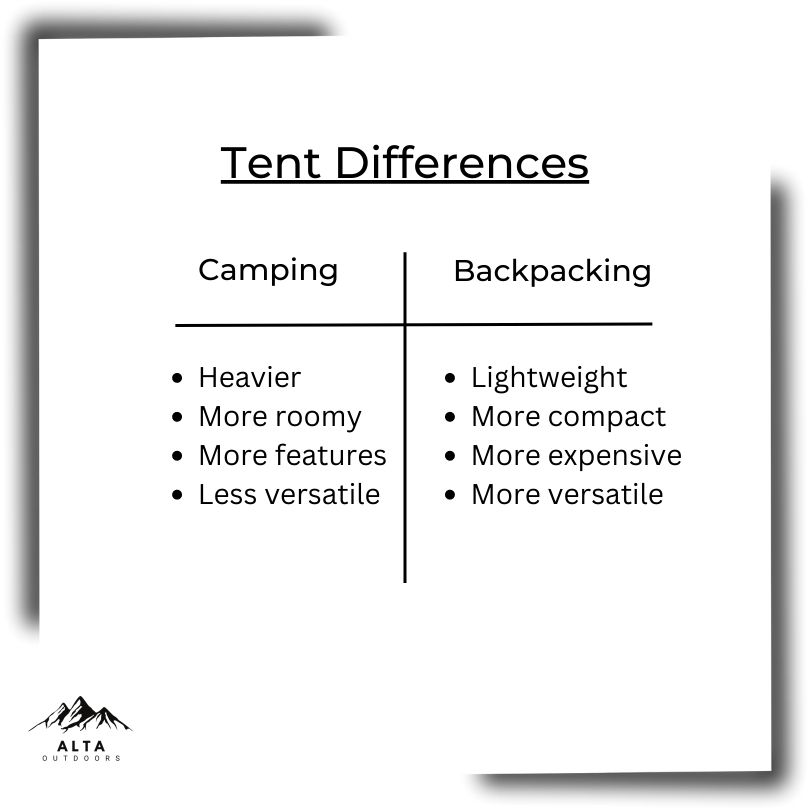
Credit: altaoutdoors.com
Tent Basics
A tent is a simple shelter used outdoors. It protects from rain, wind, and sun. Knowing the basics helps choose the right tent for your trip. Tents come in many styles and sizes. Each type serves a different need.
Types Of Tents
There are several types of tents. Dome tents are popular and easy to set up. They have a rounded shape and good wind resistance. Cabin tents offer more space and straight walls. They suit family camping trips. Backpacking tents are small and light. They fit in a hiking bag easily. Tunnel tents provide extra room inside. They work well for longer stays. Each type fits a different camping style.
Materials And Design
Tents use various materials for strength and comfort. The outer layer, called the rainfly, keeps water out. It is often made of nylon or polyester with waterproof coating. The inner tent usually has mesh panels for airflow. Poles are made of aluminum or fiberglass. Aluminum poles are stronger and lighter. Fiberglass poles cost less but can break easily. Good design balances weight, durability, and weather protection.
Setting Up A Tent
Setting up a tent takes practice but is simple. First, choose a flat, clear spot. Lay the tent footprint or tarp to protect the floor. Spread the tent body and attach the poles. Insert poles into sleeves or clips. Raise the tent and secure it with stakes. Finally, add the rainfly for weather protection. Practice helps set tents faster and easier each time.
Credit: www.rei.com
Camp Essentials
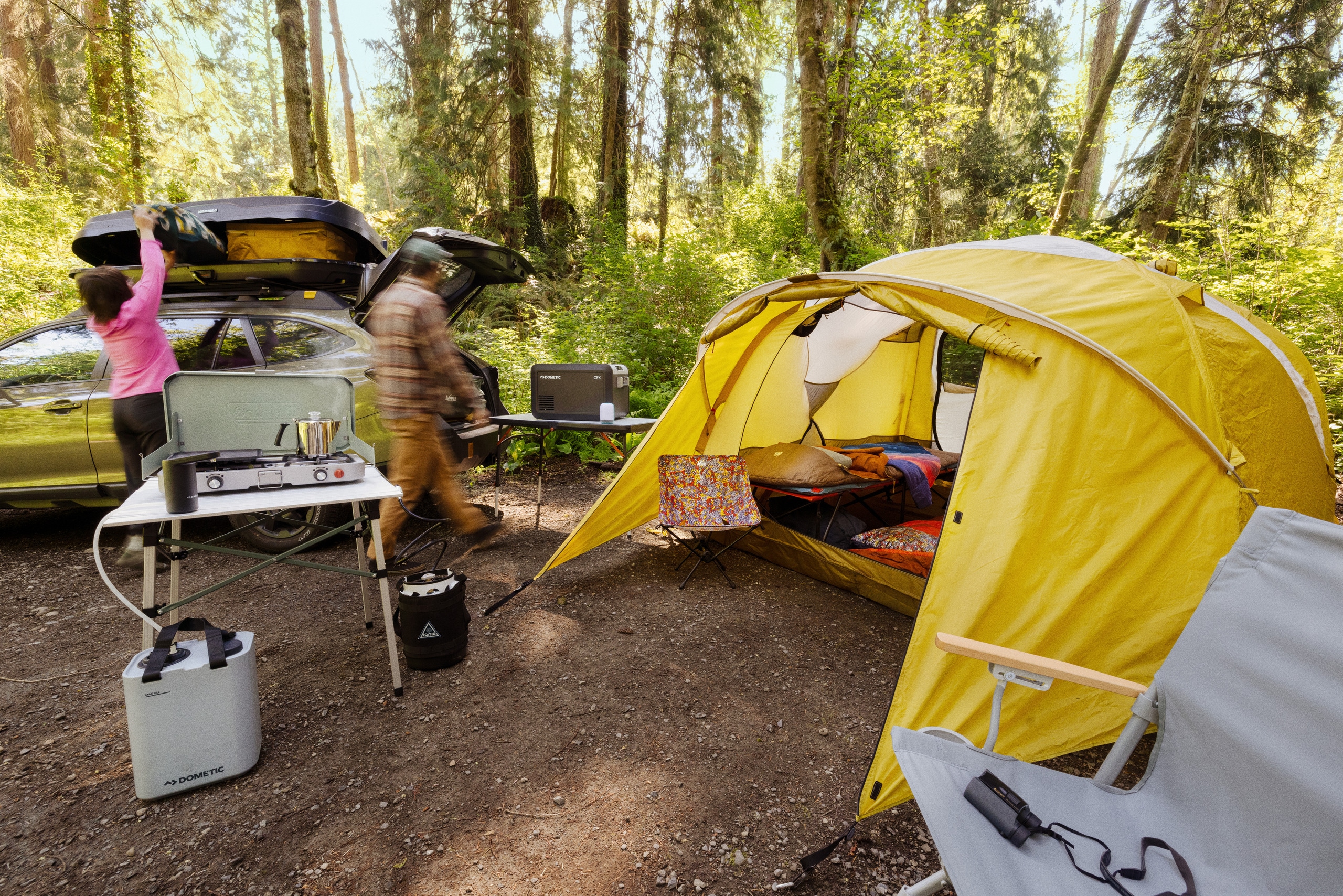
Camp essentials include everything you need for a safe and fun outdoor stay. Camps vary in style, facilities, and activities. Knowing these basics helps you enjoy your time outside. Camps are more than just tents; they offer unique experiences and comfort levels.
Camp Types
There are different camp types to suit many needs. Some camps are rustic with few comforts. Others are modern with cabins and electricity. Some camps focus on nature and hiking. Others offer sports or creative arts. Each camp type offers a unique way to enjoy the outdoors.
Camp Facilities
Camp facilities differ depending on the camp style. Basic camps may have just toilets and water. More developed camps include kitchens and showers. Some camps have fire pits and picnic tables. Good facilities make your stay easier and more fun. Always check what facilities your camp offers before packing.
Activities At Camp
Camp activities keep everyone busy and happy. Hiking and swimming are popular outdoor options. Many camps offer team games and sports. Arts and crafts let campers be creative. Campfires and storytelling add to the fun. Activities depend on the camp type and season.
Key Differences
The key differences between a tent and a camp help clarify their roles in outdoor activities. Both terms relate to spending time outdoors, but they serve different needs and experiences. Understanding these differences makes your outdoor plans easier and more enjoyable.
Purpose And Use
A tent is a portable shelter used for sleeping outdoors. It protects from weather and insects. Camp refers to the whole experience of staying outdoors. It includes tents, cooking, and other activities. A tent is just one part of a camp.
Duration And Setup
Tents are quick to set up and take down. Most tents can be assembled in minutes. Camps last longer and need more preparation. Setting up a camp may include tents, fire pits, and seating. Camps can stay for hours or several days.
Comfort And Amenities
Tents offer basic shelter and limited comfort. They usually have simple floors and little space. Camps can include extra comforts like chairs and tables. Campers bring blankets, lights, and cooking tools. Camps feel more like a small outdoor home.
Choosing Between Tent And Camp
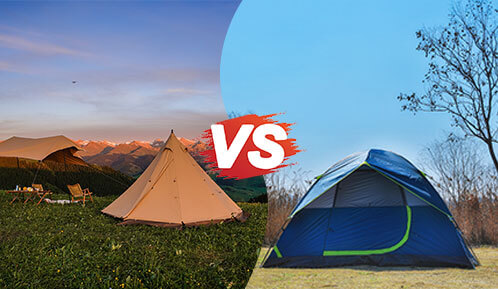
Choosing between a tent and camp means thinking about how you want to experience the outdoors. Both offer unique ways to enjoy nature. Your choice affects comfort, convenience, and adventure style. Understanding the key factors helps make the best decision for your trip.
Personal Preferences
Some prefer a tent for privacy and shelter. Others enjoy camp for a more open, natural feel. Tents provide protection from bugs and weather. Camps let you connect closely with nature. Your comfort level with rough conditions matters a lot.
Location Considerations
The place you go changes what works best. Rocky or wet areas suit tents better. Flat, grassy spots are good for camps. Weather plays a big role too. Strong winds or rain favor tents. Calm, dry weather allows for camp setups.
Budget Factors
Tents usually need an upfront investment. Good quality tents can last many years. Camps may cost less to start but need supplies. Costs add up with sleeping bags, mats, and gear. Choose based on how much you want to spend now and later.
Credit: www.everichoutdoor.com
Frequently Asked Questions
What Is The Main Difference Between A Tent And A Camp?
A tent is a portable shelter used for sleeping outdoors. Camp refers to the overall activity or site where tents and other gear are used. Essentially, a tent is equipment, while camp is the experience and location.
Can You Camp Without A Tent?
Yes, camping can be done without a tent. Alternatives include hammocks, tarps, or sleeping under the stars. However, tents provide better protection from weather and insects, making camping safer and more comfortable.
How Does Tent Type Affect Camping Experience?
Tent type impacts comfort, weather protection, and setup ease. Lightweight tents suit backpackers, while larger tents fit family camping. Choosing the right tent improves shelter quality and enhances the overall camping experience.
Is Camping Only Done Outdoors With Tents?
Camping is primarily outdoor activity, often involving tents. But it can also include RVs, cabins, or shelters. The key is spending time in nature, away from home comforts, regardless of the specific shelter used.
Conclusion
Tents and camps serve different purposes but often work together. A tent is a shelter you carry and set up. A camp is the place where you stay outdoors, often with tents and other gear. Knowing this difference helps you plan better for outdoor trips.
Choose your tent based on weather and group size. Set up your camp in a safe, comfortable spot. Enjoy nature, relax, and stay safe. Simple steps make your outdoor experience much better. Keep exploring and have fun outside!
