
Are you planning an outdoor adventure but feel confused about the terms “tent” and “camp”? You’re not alone.
Many people use these words interchangeably, but they actually mean different things. Understanding the difference can make your next trip more enjoyable and stress-free. Keep reading to discover what sets a tent apart from a camp and how knowing this can improve your outdoor experience.
Credit: www.everichoutdoor.com
Tent Basics
Tent basics help us understand what tents are and how they work. Tents provide shelter from wind, rain, and sun. They create a small, safe space outdoors. Knowing about tents helps choose the right one for any trip.
Different tents serve different needs. Some are light and small, while others are big and strong. Learning about types, materials, and uses makes camping easier and more fun.
Types Of Tents
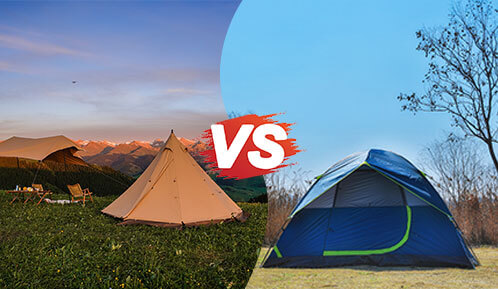
There are many types of tents. Dome tents are round and easy to set up. They stand strong in the wind. Tunnel tents are long and narrow. They offer more space inside. Cabin tents have straight walls for extra room. Backpacking tents are small and light. They fit in a backpack for long hikes. Each type fits different outdoor plans.
Materials Used
Tents use different materials for strength and weight. Nylon is light and dries fast. Polyester handles sun and rain well. Canvas is heavy but very strong. It lasts for many years. Tent poles often use aluminum or fiberglass. Aluminum is strong and light. Fiberglass is cheaper but can break more easily. The choice of material affects comfort and durability.
Common Uses
Tents are used for camping, hiking, and festivals. Campers use tents to sleep outdoors. Hikers carry small tents for rest stops. Festivals need tents for shade and shelter. Some tents protect gear and cooking areas. They also create private spaces in nature. Tents make outdoor adventures safe and fun.
Credit: www.rei.com
Camp Essentials
Camp essentials are the basic items and setups needed for a comfortable outdoor stay. Camping is more than just putting up a tent. It involves preparing a space that meets daily needs and keeps you safe. Knowing what to bring and how to organize makes camping enjoyable and stress-free.
Understanding camp essentials helps distinguish camping from just setting up a tent. These essentials focus on comfort, safety, and purpose. They make the outdoor experience practical and fun.
Camp Setup Components
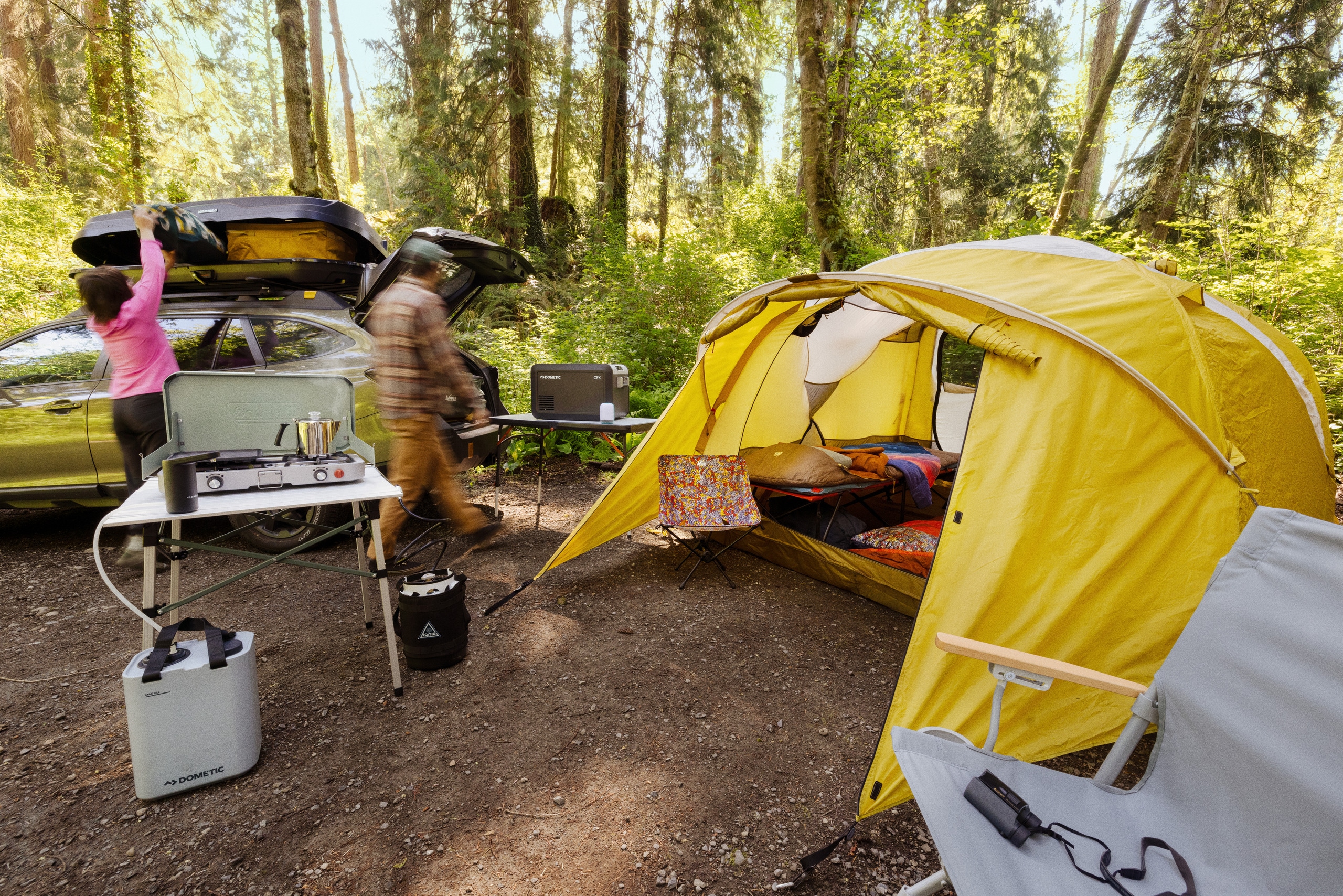
Camp setup includes tents, sleeping bags, and cooking gear. Lighting sources like lanterns or flashlights are important. Chairs and tables add comfort. A water supply and first aid kit are must-haves. These items form the base of a good camp setup.
Purpose Of Camping
Camping aims to connect with nature and relax. It is a break from busy life and technology. People camp to enjoy fresh air and outdoor activities. It also helps build skills like cooking and navigation. The purpose shapes what you bring and how you set up camp.
Camp Facilities
Facilities can include toilets, showers, and fire pits. Some campsites offer picnic tables and waste bins. These facilities improve hygiene and convenience. Camps without facilities need extra planning and supplies. Knowing available facilities helps prepare better for the stay.
Comparing Tent And Camp
Understanding the difference between a tent and a camp helps you choose the right option for outdoor activities. Both serve as shelter but vary in many ways. This section breaks down their key differences. It covers their function, duration, and how easy they are to move and set up.
Function And Use
A tent is a portable shelter made from fabric and poles. It protects from weather and insects. Camps include tents but also involve a place to stay outdoors. Camps offer more than just shelter. They include cooking areas, seating, and sometimes other facilities.
Duration And Scale
Tents are used for short stays, usually one or two nights. Camps can last several days or weeks. Camps cover a larger area and support more people. Tents fit one or a few people. Camps can hold groups and include multiple tents.
Mobility And Setup
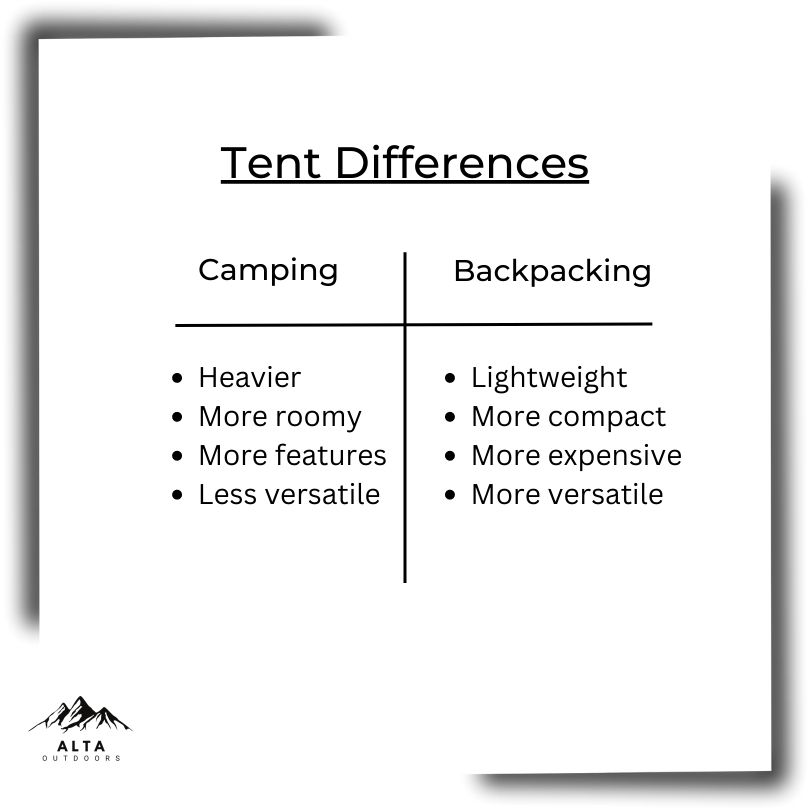
Tents are lightweight and easy to carry. They can be set up quickly by one or two people. Camps take more time to organize. Setting up a camp may involve building structures and arranging supplies. Moving a camp is harder than moving a tent.
Credit: altaoutdoors.com
Choosing Between Tent And Camp
Choosing between a tent and a camp can shape your outdoor experience. Each option offers different benefits. Knowing these can help you enjoy your time outside more. You must think about what fits your needs best. This section guides you through key points to consider.
Factors To Consider
Space is important. Tents provide shelter for sleeping and storage. Camps often include more facilities like cooking and resting areas. Weather plays a big role. Tents protect from rain and wind. Campsites may offer natural shelter or built structures. Comfort needs matter. Some prefer simple tents. Others want full camp setups with chairs and tables. Think about how much gear you carry. Tents are lighter. Camps require more equipment and setup time.
Situational Preferences
Short trips suit tents well. They are quick to set up and take down. Long stays benefit from camps with more space and comfort. Group size affects choice. Small groups can use tents easily. Large groups might need camp areas to gather. Location matters too. Remote places often need tents. Popular parks may have campgrounds with extra facilities. Personal style counts. Some like the simplicity of a tent. Others enjoy the social side of camp life.
Cost Implications
Tents usually cost less. They need fewer accessories. Camps may require more gear like chairs, tables, and cooking tools. Campsites sometimes charge fees for space and services. Budget travel favors tents. Planning a longer trip with more comfort might justify camp costs. Maintenance also differs. Tents need occasional cleaning and repair. Camps involve more upkeep for all equipment. Weigh your budget against your comfort needs.
Frequently Asked Questions
What Is The Main Difference Between Tent And Camp?
A tent is a portable shelter made of fabric and poles. Camp refers to the activity of staying outdoors, usually using tents or other shelters. Essentially, a tent is equipment, while camp is the experience or location where you stay.
How Does A Tent Relate To Camping Activities?
A tent provides shelter and protection during camping. It serves as a temporary home while camping outdoors. Without a tent, camping becomes less comfortable and safe, especially in harsh weather.
Can Camping Occur Without A Tent?
Yes, camping can happen without a tent. People may use hammocks, cabins, or simply sleep under the stars. However, tents offer more protection from insects, weather, and privacy.
Why Choose A Tent For Camping Trips?
Tents are lightweight, portable, and easy to set up. They protect campers from rain, wind, and bugs. Using a tent enhances comfort and safety during outdoor adventures.
Conclusion
Tents and camps are connected but not the same. A tent is a shelter you set up. Camp means the whole place where you stay outdoors. Knowing this helps you plan trips better. You pick a tent to protect from weather.
Camp includes tents, activities, and the area around. Both bring fun and adventure outside. Choose what fits your needs and enjoy nature. Simple and clear. That’s the key to great camping.
