
Have you ever wondered what sets a tent apart from a tabernacle? At first glance, they might seem similar—both are shelters, after all.
But when you dig a little deeper, you’ll find that each holds a unique place in history and purpose. Understanding the difference can change the way you see these structures, whether you’re curious about ancient traditions or planning your next outdoor adventure.
Keep reading, and you’ll discover surprising facts that make the tent and the tabernacle truly distinct from one another.
Origins And Historical Context
The origins and history of tents and tabernacles show their different purposes and meanings. Both have deep roots in human culture and religion. Understanding these origins helps clarify their unique roles.
Tents have been essential for shelter and travel for thousands of years. Tabernacles hold a special place in religious tradition, especially in the Bible.
Ancient Uses Of The Tent
Tents were simple shelters made from animal skins or cloth. Nomads and travelers used tents for protection from weather. They were easy to move and set up.
In many ancient cultures, tents symbolized home and safety. They allowed people to live in harsh environments. Tents often marked temporary living spaces during journeys or wars.
Biblical Significance Of The Tabernacle
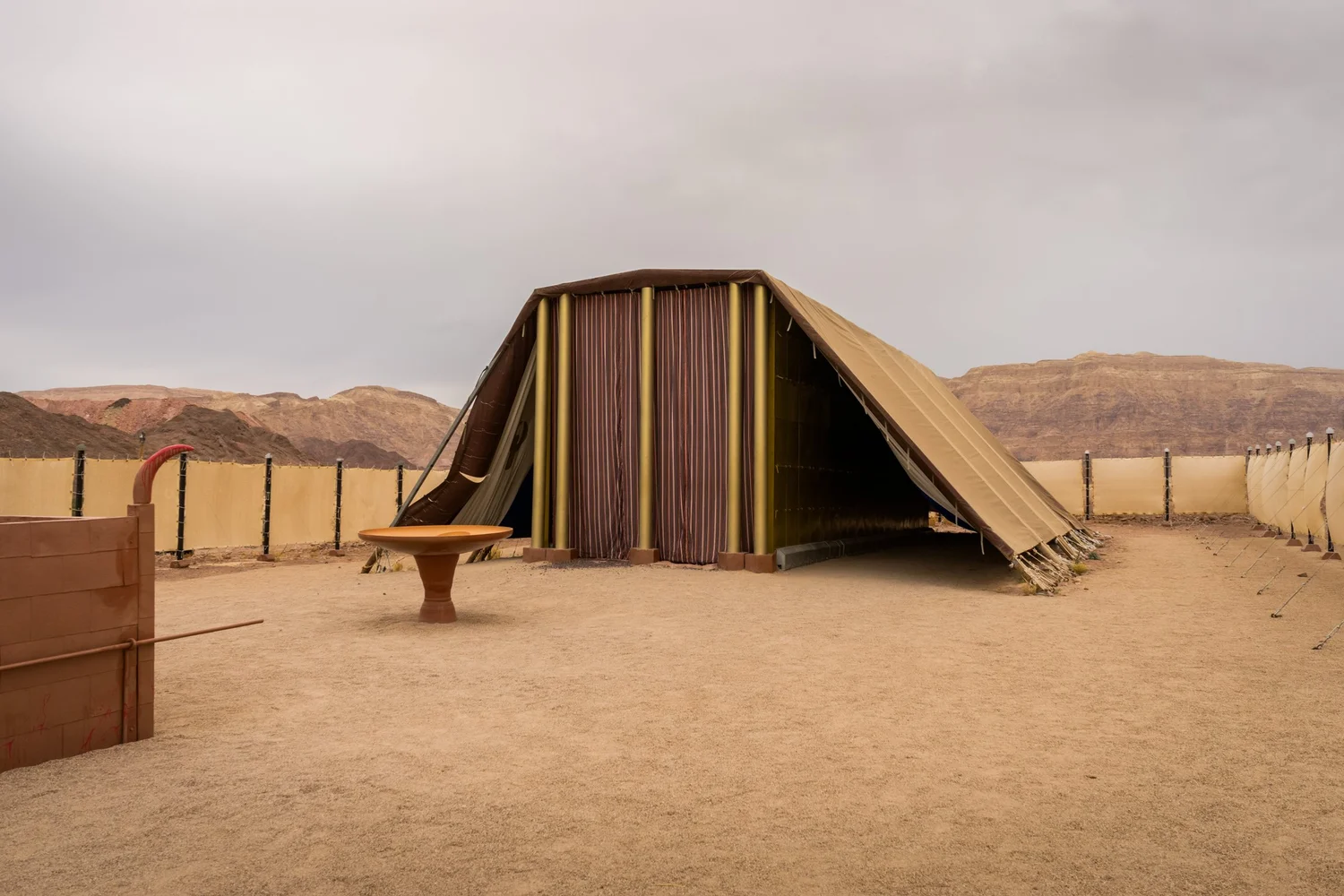
The tabernacle is a sacred tent described in the Bible. It served as a holy place for the Israelites during their desert travels. The tabernacle was where God’s presence was believed to dwell.
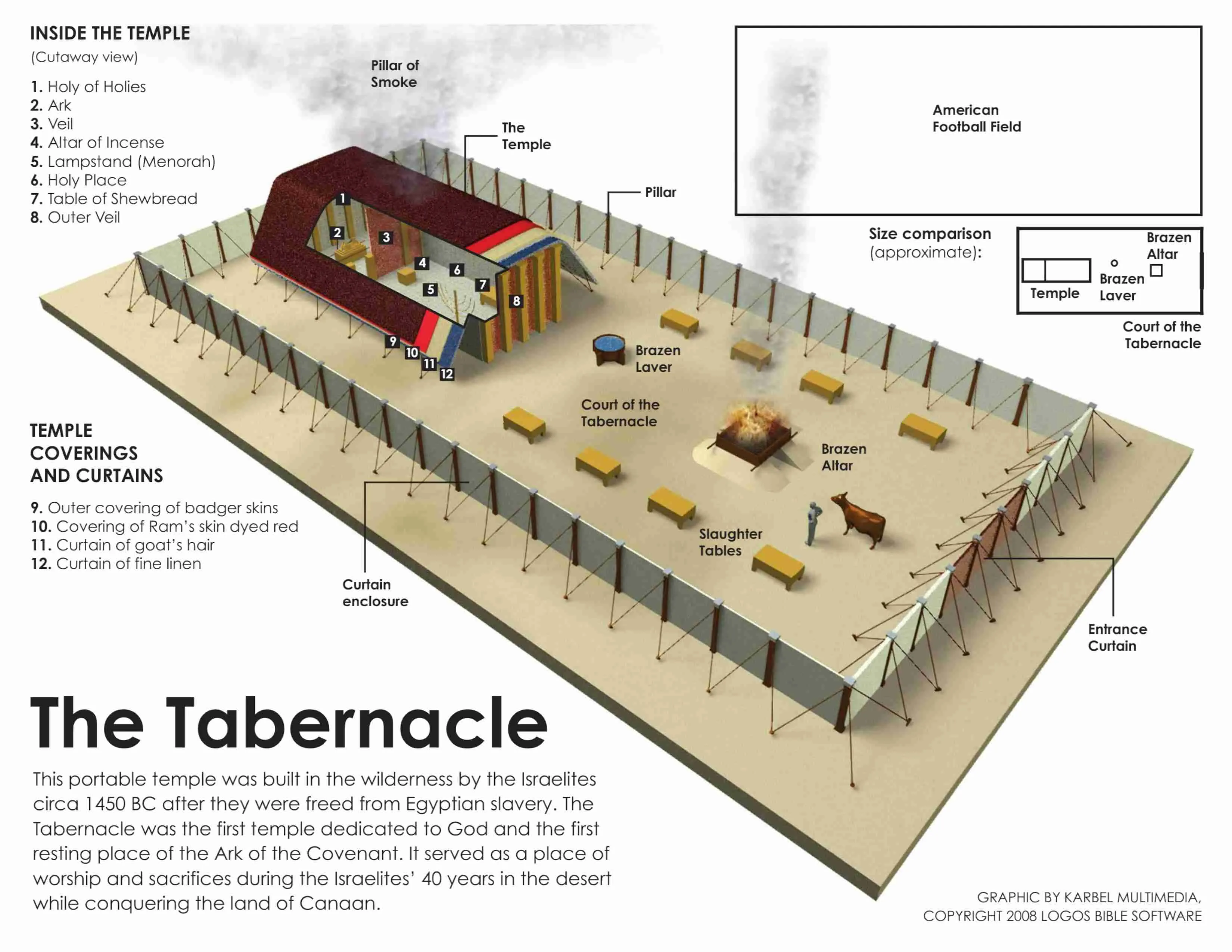
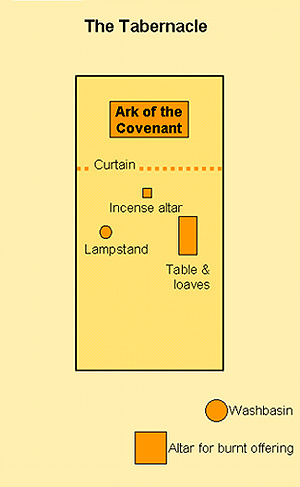
Unlike ordinary tents, the tabernacle had detailed design and purpose. It held the Ark of the Covenant and was central to worship. Its structure showed God’s instructions and covenant with His people.
Credit: www.thehouseofdavid.org
Structural Differences
The structural differences between a tent and a tabernacle are clear and important. Both serve as shelters but vary greatly in their build and purpose. Understanding these differences helps to appreciate their unique roles and histories.
Materials And Construction
Tents are usually made from lightweight fabrics like canvas or nylon. Their frames use metal or plastic poles for easy setup and transport. Tents rely on flexible materials for quick assembly and mobility.
Tabernacles are built with solid materials like wood and metal. Their construction is more permanent and sturdy. The frame often includes wood beams covered with cloth or leather. They are not designed to be moved frequently.
Size And Design Variations
Tents come in many sizes, from small one-person shelters to large camping tents. Their shapes vary, including dome, A-frame, and cabin styles. The design focuses on portability and weather protection.
Tabernacles are usually larger and more complex. They have a rectangular shape and include inner compartments. Their design serves religious or ceremonial functions. The size and layout reflect their importance and use.
Purpose And Function
The purpose and function of a tent and a tabernacle differ greatly. Both serve as shelters, but their roles and meanings are not the same. Understanding these differences helps appreciate their unique uses in daily life and religion.
Everyday Shelter Vs Sacred Space
A tent is a simple, portable shelter. People use it for camping, travel, or temporary housing. It protects from weather and provides privacy. Its main goal is comfort and safety during daily activities.
The tabernacle, on the other hand, is a sacred space. It is a holy place designed for worship and prayer. It holds religious significance and is not for everyday living. The tabernacle often symbolizes a divine presence.
Role In Religious Practices
The tent serves practical needs and personal use. It does not have a religious role in itself. People may use tents for gatherings but not for formal worship.
The tabernacle plays a central role in religious ceremonies. It houses sacred objects and serves as a meeting place with the divine. Many faiths view the tabernacle as a holy sanctuary. Its function is deeply spiritual and symbolic.
Credit: www.theonenessofgod.org
Symbolism And Cultural Impact
The difference between a tent and a tabernacle goes beyond their physical forms. Both carry deep symbolism and have shaped cultures across time. Understanding their symbolic meanings helps us see their roles in history and belief.
Tents often symbolize movement and survival. They speak of journeys and temporary homes. Tabernacles hold a sacred meaning. They represent a fixed place of worship and divine presence.
Tent As A Nomadic Symbol
Tents are linked to nomadic life. They show a lifestyle that moves with the seasons or needs. For many cultures, tents mean freedom and adaptability. They offer shelter but are not meant to last forever in one spot. This symbol reminds people of life’s journeys and constant change.
In history, tents were vital for tribes and travelers. They represent simplicity and resilience. The tent’s image is often used to express a connection to nature and the earth. It stands for a life that values mobility over permanence.
Tabernacle In Spiritual Traditions
The tabernacle is a sacred space in many religions. It symbolizes God’s presence among people. Unlike tents, tabernacles are designed to be stable and holy. They hold religious artifacts and serve as a center for worship.
In spiritual traditions, the tabernacle represents a meeting place between the divine and humans. It is a symbol of faith and community. Its design and use reflect respect and reverence. The tabernacle’s impact reaches beyond religion into culture and art.
Modern Interpretations
Modern interpretations of tents and tabernacles show how their meanings have changed over time. Both have roots in history but serve different roles today. Their uses reveal cultural and practical shifts in society.
Contemporary Uses Of Tents
Tents are now common for camping and outdoor events. People use them for shelter during travel or festivals. They provide quick, portable protection from weather. Emergency teams also use tents for disaster relief. Tents represent flexibility and mobility in modern life.
Tabernacle’s Place Today
Tabernacles hold a special place in religious traditions. Many churches keep tabernacles to store sacred items. They symbolize worship and spiritual presence. Tabernacles are not used for shelter like tents. Instead, they focus on faith and reverence in communities.
Credit: www.bibletutor.com
Frequently Asked Questions
What Is The Main Difference Between A Tent And A Tabernacle?
A tent is a simple portable shelter, while a tabernacle is a sacred, ornate structure used for worship. The tabernacle serves religious purposes, especially in biblical contexts, unlike a general tent.
How Were Tents Used In Biblical Times?
Tents provided portable living spaces for nomadic tribes. They offered shelter during travel and temporary housing in camps, reflecting everyday life and mobility.
What Role Does The Tabernacle Play In Religious History?
The tabernacle housed the Ark of the Covenant and served as God’s dwelling place among Israelites. It symbolized divine presence and was central to worship rituals.
Are Tents And Tabernacles Structurally Different?
Yes, tents are simple and functional, usually made of cloth. Tabernacles are elaborate, often with detailed craftsmanship and specific religious design elements.
Conclusion
The tent and tabernacle serve different purposes in history and faith. The tent was simple, used for shelter and travel. The tabernacle was special, a holy place for worship. Both show how people lived and believed long ago. Understanding their differences helps us respect their meaning today.
Each has its own story and value. Knowing this makes the past clearer and more interesting. The tent and tabernacle remain important in many cultures and traditions now.
