
Have you ever wondered what makes a tent different from a tabernacle? At first glance, they might seem similar—both are types of shelters.
But when you dig deeper, you’ll find that each has its own unique purpose and meaning. Understanding these differences can change the way you see history, culture, and even your own spiritual journey. Keep reading, and you’ll discover clear, simple answers that make these two concepts easy to understand and remember.
Credit: www.bibletutor.com
Origins Of Tent And Tabernacle
The tent and the tabernacle have deep roots in history. Both were used by ancient peoples for shelter and worship. Their beginnings show different purposes and meanings.
Understanding their origins helps us see why they are not the same. Both played important roles in early cultures and religious practices.
Origins Of The Tent
The tent is one of the oldest types of shelter. Nomads and travelers used tents to protect themselves from weather. Early tents were simple, made from animal skins or cloth.
Tents were easy to carry and set up. They offered a quick, portable home for people on the move. This made tents common among tribes and travelers.
Origins Of The Tabernacle
The tabernacle began as a sacred place for worship. It served the Israelites during their travels in the desert. Unlike a simple tent, it had a special religious purpose.
The tabernacle was built with specific rules and designs. It held holy objects and was a meeting place between God and people. It symbolized God’s presence among them.
Materials And Construction
The materials and construction of a tent and a tabernacle differ greatly. These differences reveal their unique purposes and meanings. Understanding the building process helps clarify what sets each apart.
The tent is a simple, portable shelter. The tabernacle is a sacred structure with detailed design.
Materials Used For The Tent
Tents use lightweight fabrics like canvas or nylon. These materials are easy to fold and carry. Poles or sticks hold the fabric up. The focus is on quick setup and mobility.
Materials Used For The Tabernacle
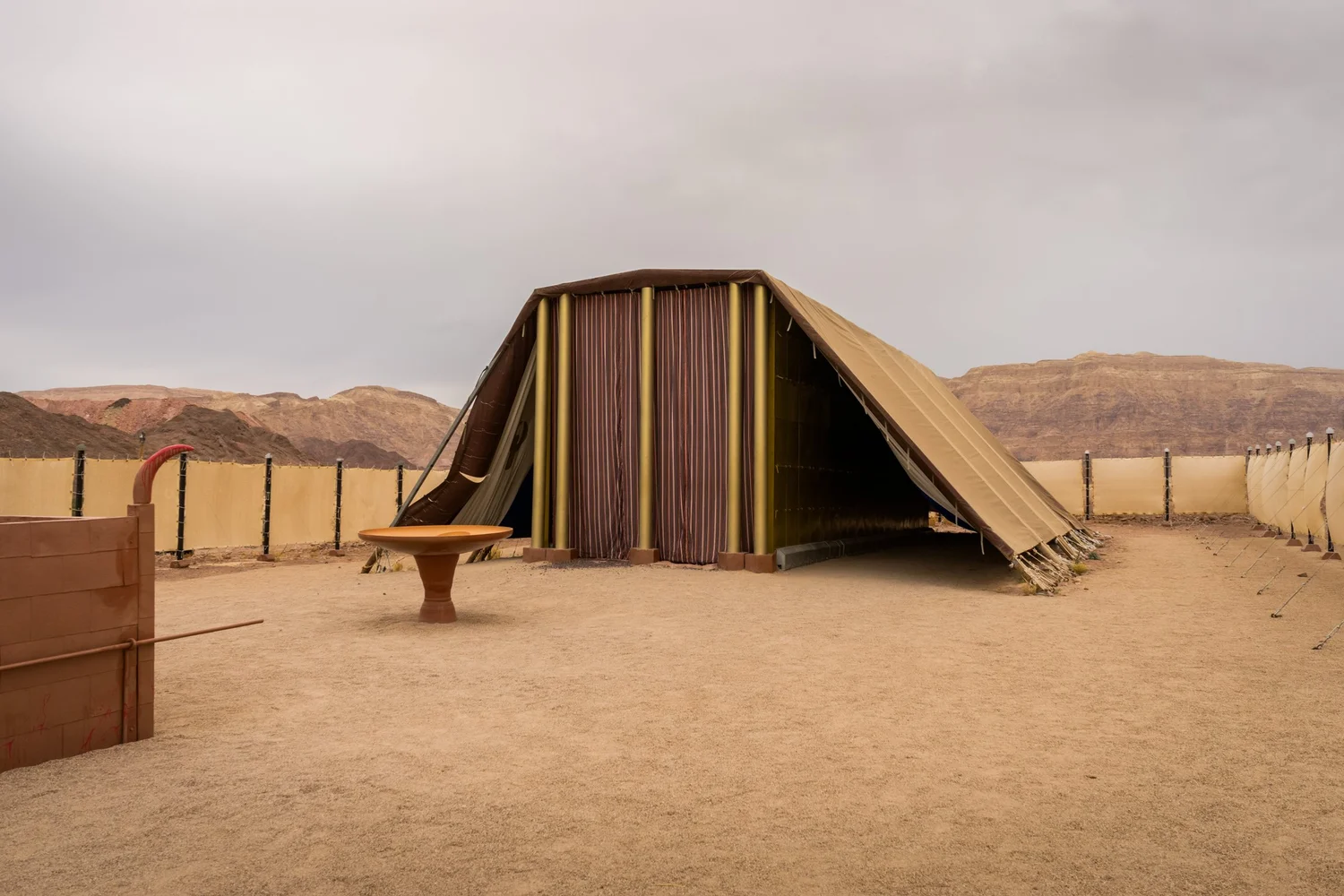
The tabernacle uses precious materials such as gold, silver, and fine linen. Wood forms the frame, often covered with gold. Colored cloths and animal skins decorate the outside. These materials show the tabernacle’s holy purpose.
Construction Of The Tent
Tents have a simple frame made from poles. The fabric covers the frame to create shelter. Assembly takes minutes. People use tents for camping or travel.
Construction Of The Tabernacle
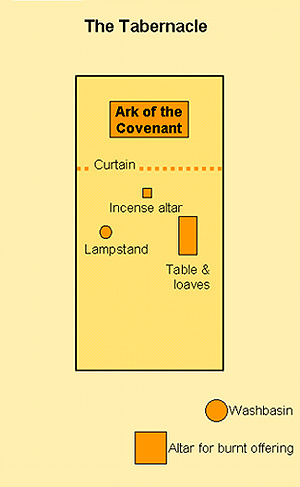
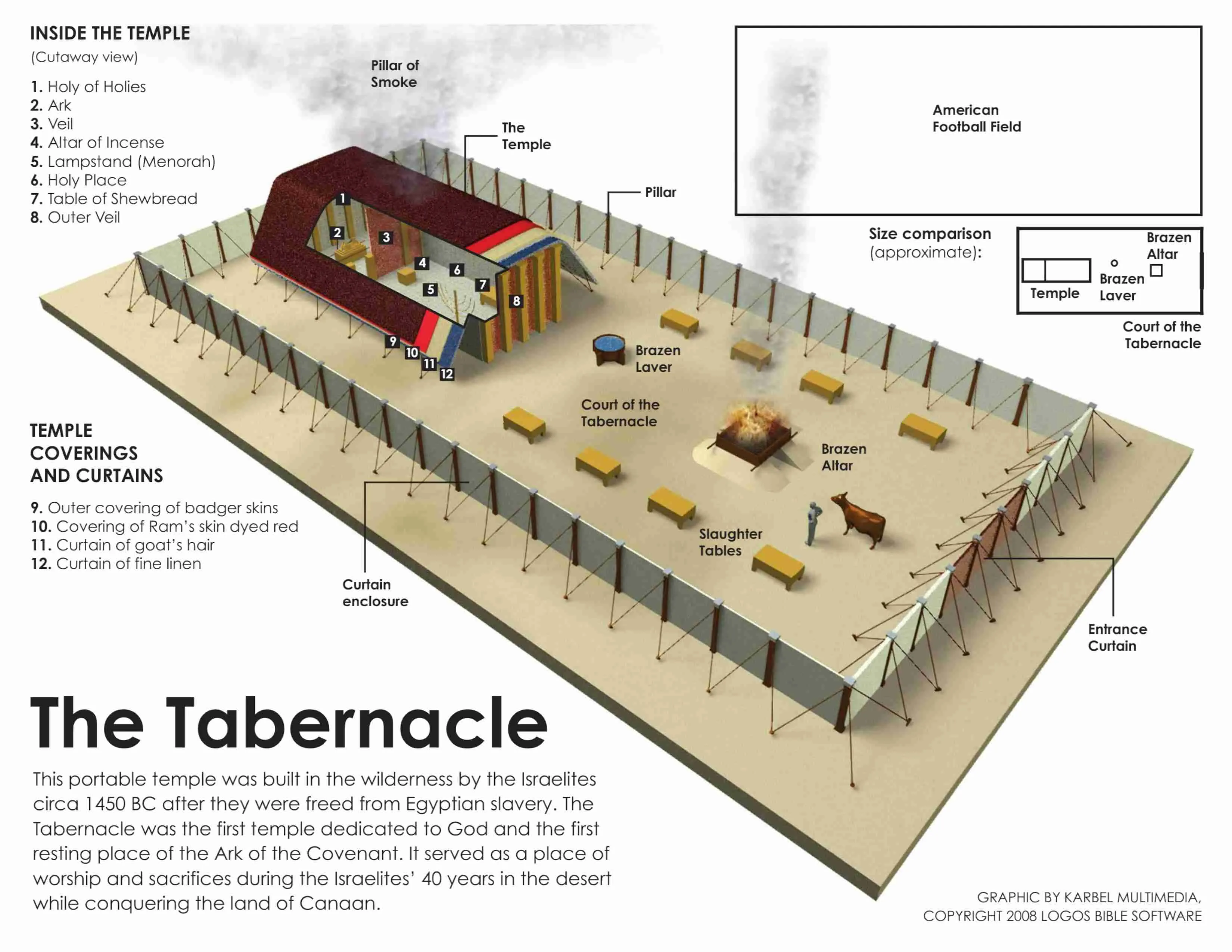
The tabernacle’s construction follows exact instructions from scripture. Skilled craftsmen build it with care. It has several parts: the outer court, Holy Place, and Holy of Holies. Each part has a special meaning and function.
Purpose And Function
The purpose and function of a tent and a tabernacle show their key differences. Both serve as shelters but have unique roles in history and culture. Understanding their use helps to see why they are important.
A tent is a simple structure. It provides temporary shelter for people in many situations. A tabernacle is more than just a shelter. It has a special religious meaning and function.
Tent As Temporary Shelter
A tent offers quick and easy protection from weather. People use tents while camping or traveling. It is lightweight and can be moved often. Its main job is to give cover and rest.
Tabernacle As Sacred Space
The tabernacle serves as a holy place for worship. It holds spiritual and religious importance. It was used to house sacred objects and for rituals. Unlike tents, tabernacles are meant for divine presence.
Function In Community Life
Tents support everyday living and travel needs. They help families and groups stay safe outdoors. Tabernacles bring people together for religious ceremonies. They create a shared space for faith and prayer.
Credit: www.thehouseofdavid.org
Religious And Cultural Significance
The tent and the tabernacle hold deep religious and cultural meanings. Both are symbols of faith and tradition. They represent how people connect with the divine and with each other across time.
These structures are more than just physical spaces. They carry stories, rituals, and values. Understanding their significance helps us appreciate many religious practices and cultures worldwide.
Religious Symbolism Of The Tent
The tent often symbolizes shelter and protection in religious texts. It represents God’s presence with people during their journeys. In many stories, tents are places of prayer and meeting with the divine. They show simplicity and trust in God’s care.
Cultural Role Of The Tabernacle
The tabernacle is a sacred space for worship and sacrifice. It holds a central place in the culture of ancient Israel. This structure was a holy meeting point between God and humans. It reminds people of their faith and duties.
Differences In Use And Meaning
The tent is more temporary and flexible. It suits nomadic lifestyles and travel. The tabernacle is fixed and highly decorated. It serves as a permanent holy place for rituals. These differences reflect varied cultural and religious needs.
Locations And Usage
Locations and usage highlight key differences between tents and tabernacles. Both serve as shelters but in very different ways. Their places and reasons for use show unique purposes and meanings.
Locations Of Tents
Tents appear in many places. People use them outdoors for camping or events. They are common in parks, beaches, and mountains. Tents are easy to carry and set up anywhere. Their location changes based on need and weather.
Locations Of Tabernacles
Tabernacles have fixed, special locations. They are often found in religious sites or temples. These places hold spiritual importance. A tabernacle usually stays in one spot for a long time. Its location reflects sacred tradition and worship.
Usage Of Tents
Tents provide temporary shelter from weather. People use tents for rest, sleep, and protection outdoors. They serve travelers, campers, and event attendees. Tents are simple and practical. Their use is usually short-term and flexible.
Usage Of Tabernacles
Tabernacles hold sacred objects and offer a space for prayer. They serve religious ceremonies and rituals. Their use is very specific and symbolic. Tabernacles represent faith and spiritual presence. They are not for casual or everyday use.
Symbolism And Meaning
The tent and the tabernacle both hold deep meanings in religious stories. They are symbols that represent ideas beyond their physical forms. Understanding their symbolism helps us see their roles in faith and history.
Each has a unique message. The tent shows simplicity and journey. The tabernacle represents God’s presence and worship.
Symbolism Of The Tent
The tent symbolizes a temporary home. It shows life on the move. People used tents when traveling or living in the desert. This reflects trust and faith in God’s guidance.
The tent also means protection and shelter. It gave a safe place in harsh conditions. It reminds us that God watches over His people everywhere.
Meaning Behind The Tabernacle
The tabernacle stands for God’s dwelling place. It is a holy space where people meet God. It shows that God is close and cares for His followers.
The tabernacle’s design is rich with meaning. Every part points to God’s holiness and glory. It teaches respect, worship, and the sacredness of God’s presence.
Comparing Their Spiritual Messages
The tent highlights the journey of faith. It is about trust and protection during travel. The tabernacle focuses on worship and God’s permanent presence.
Both remind believers of God’s care. The tent shows God’s guidance in life’s journey. The tabernacle shows God’s closeness in worship and community.
Modern Interpretations And Applications
Modern views of tents and tabernacles go beyond their original meanings. Both hold symbolic and practical roles today. Their designs and uses reflect cultural and spiritual ideas.
Tents today often mean temporary shelters. They serve for camping, events, and emergency housing. The focus is on portability and ease of setup. People appreciate tents for their simplicity and protection.
Tabernacles carry more spiritual weight now. They symbolize sacred spaces or places of worship. Some churches use tabernacle designs to create calm, holy areas. The idea of a tabernacle inspires peace and reflection.
Contemporary Uses Of Tents
Tents appear in outdoor activities worldwide. Campers use tents to sleep safely in nature. Event organizers rely on tents for fairs and markets. Tents provide shelter in disaster zones. Their modern materials make them light and strong.
Spiritual Meaning Of Tabernacles Today
Tabernacles often represent God’s presence in religious spaces. Many faiths use tabernacles to hold sacred items. These structures remind people of protection and guidance. The design encourages quiet and prayer. Tabernacles connect believers to ancient traditions.
Design Differences In Modern Context
Tents focus on function and flexibility. They fold and carry easily. Tabernacles focus on permanence and symbolism. They often feature detailed decorations. Materials for tabernacles are durable and ornate. Designs reflect cultural heritage and faith.
Credit: www.theonenessofgod.org
Frequently Asked Questions
What Is The Primary Purpose Of A Tent And Tabernacle?
A tent is a portable shelter used for temporary protection outdoors. A tabernacle is a sacred, movable sanctuary used in religious worship. The tabernacle holds spiritual significance, whereas a tent serves practical, everyday needs.
How Do Tent And Tabernacle Structures Differ?
Tents are simple fabric shelters supported by poles. Tabernacles are elaborate, often ornate structures with specific religious design elements. The tabernacle’s design reflects its holy purpose, unlike the tent’s basic, functional construction.
Can A Tent Be Used As A Tabernacle?
No, a tent cannot replace a tabernacle. A tabernacle is specially designed for worship and rituals. A tent lacks the sacred features required for religious functions.
Why Is The Tabernacle Important In Religious History?
The tabernacle served as God’s dwelling among the Israelites. It was central to worship and sacrifices. This made it a symbol of divine presence and guidance.
Conclusion
The tent and tabernacle both hold important meanings. A tent is simple and temporary. The tabernacle is special and made for worship. Each has a unique purpose and design. Knowing their differences helps us understand history better. Both show how people lived and believed long ago.
This knowledge connects us to the past. It also shows the care in their faith and life. Remember these points when you read or hear about tents and tabernacles. They tell stories beyond just buildings.
