
Have you ever wondered what makes a tent different from a tabernacle? At first glance, they might seem similar—both are structures that provide shelter.
But once you dig deeper, you’ll find they have very different meanings and purposes. Understanding these differences can change the way you see history, culture, and even spiritual spaces. Keep reading, and you’ll discover clear, simple explanations that will make these two terms easy to remember and meaningful in your own life.
Origins And Historical Context
The origins and historical context of tents and tabernacles reveal their unique roles in human culture. Both served as shelters but had different meanings and uses. Understanding their past helps explain their significance today.
Tents have been a basic form of shelter for thousands of years. Tabernacles, on the other hand, hold a special place in religious and cultural history. Their stories show how humans adapted to their environment and beliefs.
Early Uses Of Tents
Tents are among the oldest shelters made by humans. Nomads and travelers used tents for protection from weather. They were easy to carry and set up in new places. Materials like animal skins and cloth covered wooden poles. Tents allowed people to live and move freely across lands.
Early tents were simple but practical. They provided shade in hot climates and warmth in cold areas. People used tents for hunting trips, trade journeys, and daily living. The design of tents changed with culture and geography but stayed focused on portability and function.
Tabernacle In Ancient Traditions
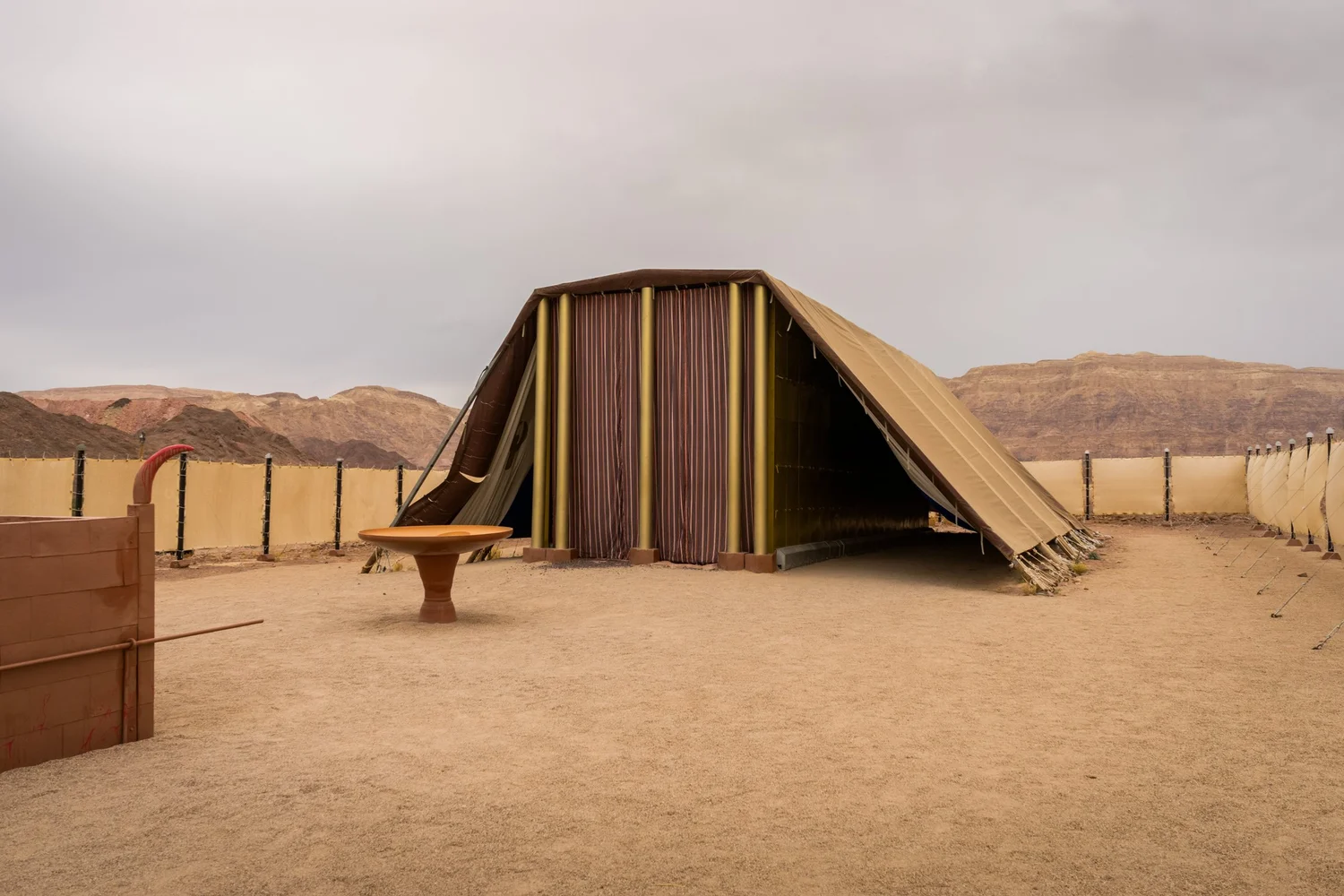
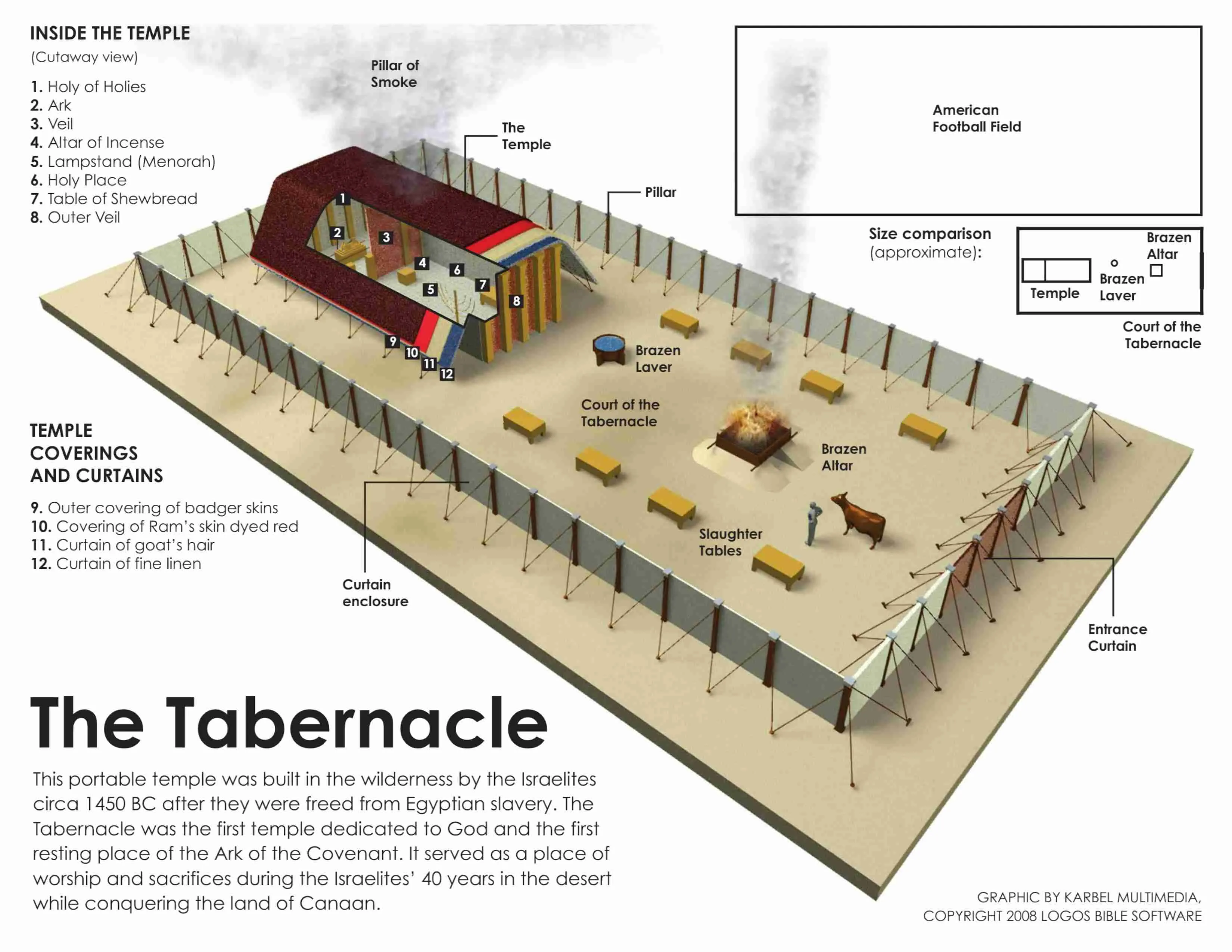
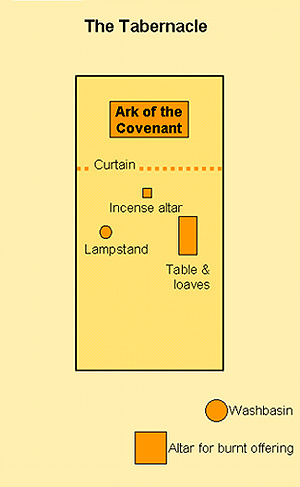
The tabernacle has a deeper spiritual meaning than a tent. It appears in many ancient traditions as a sacred space. In the Bible, the tabernacle was a holy tent for worship and sacrifice. It housed the Ark of the Covenant and symbolized God’s presence among people.
Tabernacles were carefully built with specific materials and measurements. They were not meant for travel like tents but for religious ceremonies. The structure showed respect and reverence for the divine. Many cultures used tabernacles or similar sacred tents to connect with their gods.
Structural Differences
The tent and the tabernacle differ greatly in structure. These differences highlight their unique uses and meanings. Both served important roles, but their build shows their distinct purposes.
Materials And Construction
The tent is made from simple, flexible materials. Usually, animal skins or cloth cover a wooden frame. This makes the tent easy to move and set up.
The tabernacle uses more complex materials. It has wooden boards, gold, silver, and fine linen. The construction is more solid and detailed. It requires skilled workers to build and maintain it.
Size And Design
The tent is smaller and basic in design. It is made for quick assembly and transport. Its shape is usually rectangular or square.
The tabernacle is larger with a special layout. It has separate areas for different purposes. The design includes an outer courtyard and inner sanctuary. Its size and plan reflect its sacred role.
Purpose And Function
The purpose and function of a tent and a tabernacle are quite different. Both provide shelter, but their uses and meanings vary greatly. Understanding these differences helps to appreciate their unique roles in history and culture.
Everyday Shelter Vs Sacred Space
A tent is a simple structure used for daily shelter. It protects people from weather like rain, sun, and wind. People use tents for camping, travel, or temporary homes. It is practical and easy to move. The main goal is comfort and protection.
A tabernacle is not just a shelter. It is a sacred space for worship and religious ceremonies. It holds deep spiritual meaning. Unlike tents, tabernacles are carefully designed and built to honor the divine. It serves as a place for prayer and ritual.
Religious Significance Of The Tabernacle
The tabernacle plays a central role in many religious traditions. It symbolizes God’s presence among people. In ancient times, it housed holy objects and sacred items. The design and materials used were chosen with great care. Every part had a special meaning and purpose.
Tabernacles often represent a connection between heaven and earth. They are places where people feel close to the divine. This sacred function is very different from the practical use of tents. The tabernacle’s purpose goes beyond shelter to spiritual importance.
Credit: www.thehouseofdavid.org
Cultural And Religious Impact
The cultural and religious impact of tents and tabernacles runs deep in many societies. Both structures carry unique meanings and serve important roles. They shape how people live, worship, and connect with their faith and community.
Tents often symbolize a simple, mobile lifestyle tied to nature. Tabernacles, on the other hand, stand as sacred places with a fixed spiritual purpose. Understanding these differences helps us appreciate their influence across history and cultures.
Role In Nomadic Life
Tents are essential for nomadic groups. They provide quick shelter during travel and easy packing for movement. Nomads rely on tents to protect themselves from weather and to carry their homes with them.
This mobility supports their way of life and survival in changing environments. Tents create a sense of home wherever people stop. They connect families and tribes across vast lands.
Symbolism In Faith Communities
Tabernacles hold a sacred place in religious traditions. They represent God’s presence among people. Many faiths use tabernacles as holy spaces for worship and rituals.
Tabernacles symbolize stability, holiness, and divine connection. They remind believers of spiritual laws and sacred history. The structure serves as a physical link between the divine and the community.
Modern Interpretations
Modern interpretations of tents and tabernacles show how these structures fit into today’s world. Both have roots in ancient times but serve different roles now. Their meanings have shifted, reflecting current culture and needs. The tent remains practical and versatile. The tabernacle holds deep spiritual significance for many.
Contemporary Uses Of Tents
Tents today are used for camping, events, and temporary shelters. They provide quick and easy protection from weather. People use tents at festivals, outdoor markets, and emergency sites. Their lightweight design makes them easy to carry and set up. Tents offer flexible space for many activities. They symbolize adventure, simplicity, and connection with nature.
Tabernacle In Modern Worship
The tabernacle remains important in many religious traditions. It represents a sacred space where believers meet God. Churches often use tabernacles to hold holy objects or the Eucharist. Some communities build modern versions for worship and prayer. These spaces inspire reverence and focus in worship. The tabernacle connects past beliefs with present faith.
Credit: www.theonenessofgod.org
Credit: www.bibletutor.com
Frequently Asked Questions
What Is The Main Difference Between A Tent And Tabernacle?
A tent is a simple portable shelter, often used for camping. A tabernacle is a sacred tent used in biblical times for worship and housing the Ark of the Covenant.
How Were Tents And Tabernacles Used Historically?
Tents served as temporary homes or shelters for travelers. Tabernacles were religious structures where Israelites worshipped God during their desert journey.
Can A Tabernacle Be Considered A Special Type Of Tent?
Yes, a tabernacle is a specially designed tent with religious significance and specific construction guidelines in the Bible.
Why Is The Tabernacle Important In Religious Context?
The tabernacle symbolized God’s presence among the Israelites and was central to their worship and rituals during their exodus.
Conclusion
The tent and tabernacle both serve important roles in history and faith. The tent was simple and portable for travel. The tabernacle was more detailed and stayed in one place. Each has its own meaning and purpose. Knowing their differences helps us understand their use better.
Both show how people connected with God long ago. This knowledge deepens respect for these sacred places. The story of the tent and tabernacle remains important today. It teaches us about faith, worship, and tradition.
