
Are you thinking about camping but unsure which style suits you best? When it comes to outdoor adventures, tent camping and primitive camping offer very different experiences.
Understanding the difference between the two can help you choose the right way to enjoy nature. Whether you want comfort or a true back-to-basics challenge, knowing what to expect will make your trip more fun and safe. Keep reading to discover how these two camping styles compare, so you can pick the perfect adventure for your next getaway.

Credit: www.calparks.org
Tent Camping Basics
Tent camping is a popular way to enjoy the outdoors. It offers a simple shelter and a chance to connect with nature. Many people choose tent camping for its comfort and ease. You set up a tent at a campsite and enjoy the fresh air. Understanding the basics of tent camping helps beginners prepare better.
Types Of Tents
Tents come in many shapes and sizes. The most common types are dome, cabin, and backpacking tents. Dome tents are easy to set up and stable. Cabin tents have more space and stand tall. Backpacking tents are small and light for easy carrying. Choosing the right tent depends on your needs and weather.
Campground Amenities
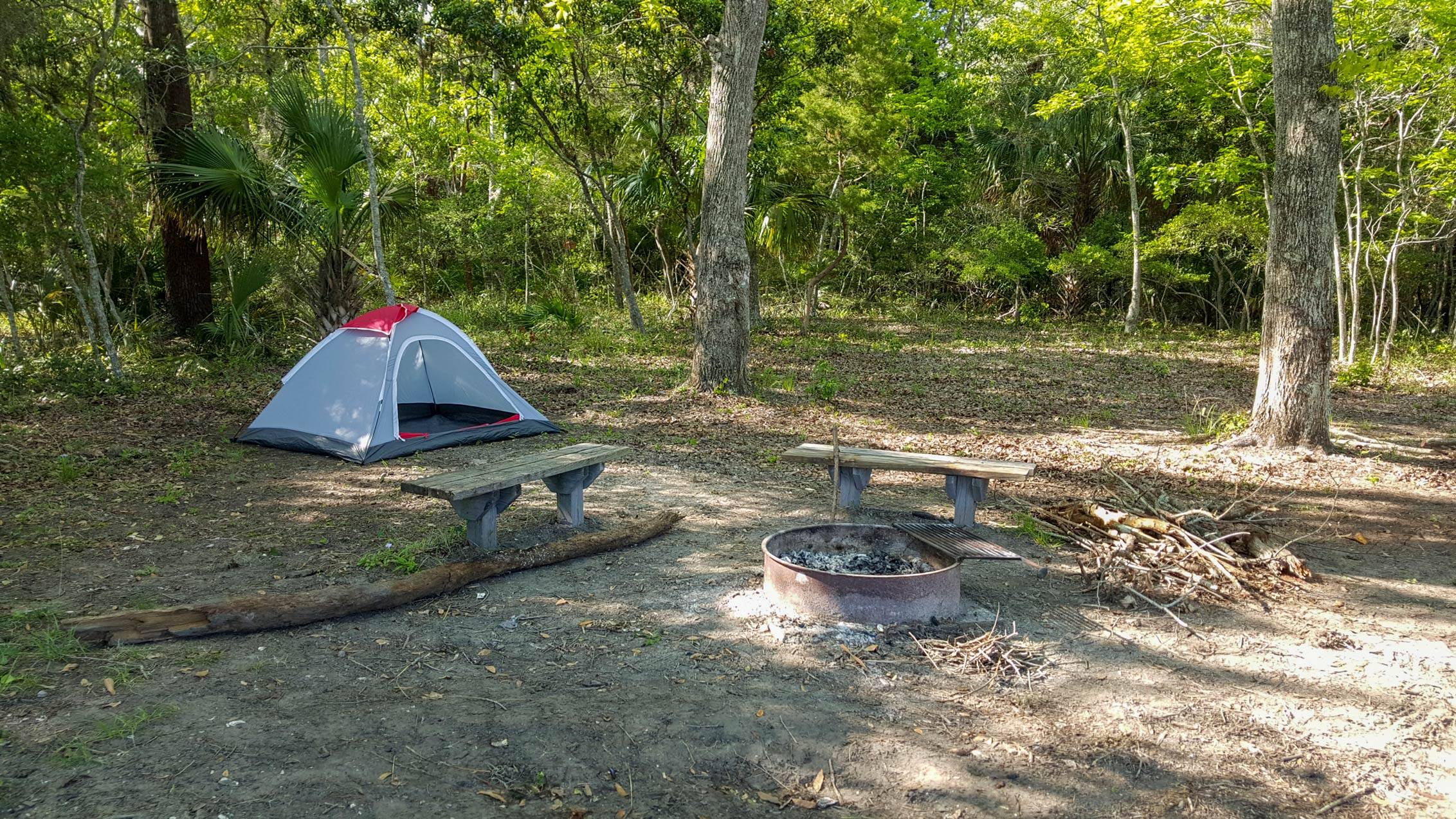
Campgrounds often have useful amenities. These include restrooms, fire pits, and picnic tables. Some sites offer water and electric hookups. Showers and trash bins may also be available. These amenities make camping more comfortable and convenient.
Typical Locations
Tent camping usually happens in designated campgrounds. These are in national parks, forests, or near lakes. Campgrounds provide a safe and clean environment. They often have marked trails and ranger stations nearby. These locations help campers enjoy nature with some support.
Primitive Camping Essentials
Primitive camping is about being close to nature. It means camping with very few tools. You rely on what you can carry and find. This style of camping needs careful planning and respect for the environment.
Minimal Gear Requirements
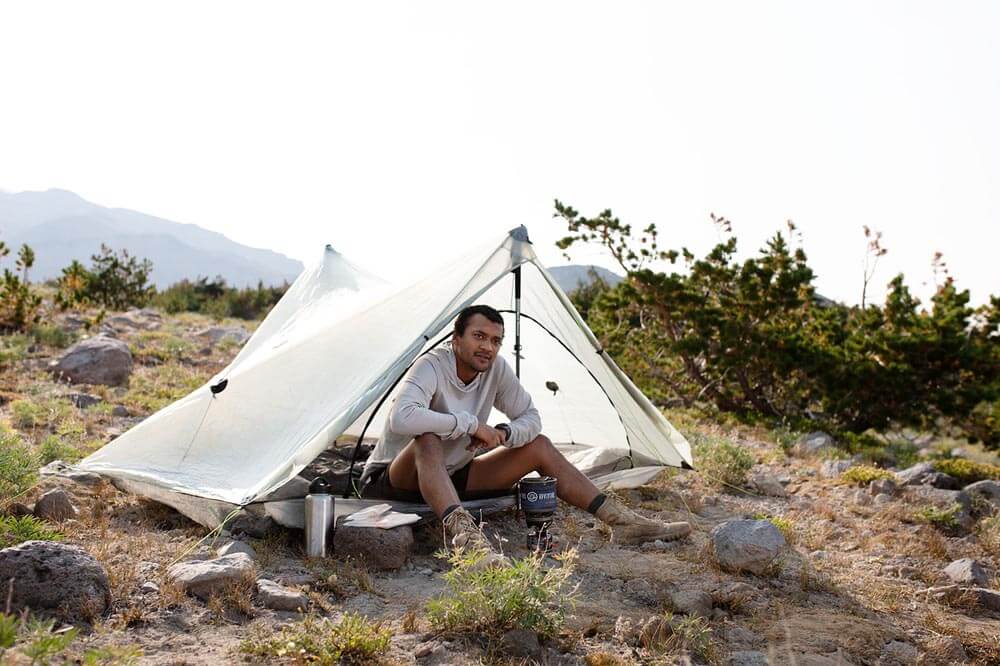
Primitive camping uses only basic gear. A simple tent or tarp, sleeping bag, and a small stove are enough. Heavy equipment and large coolers are not practical. Carrying light helps you move easily and stay safe.
Remote Settings
Primitive camping happens far from cities and roads. The spots are quiet and natural. You might hike miles to reach these places. This solitude offers peace and a true outdoor feeling.
Leave No Trace Principles
Protecting nature is key in primitive camping. Pack out all trash and waste. Avoid disturbing plants and animals. Use existing fire rings or stoves to prevent scarring the land. The goal is to leave the site as you found it.
Comfort And Convenience
Comfort and convenience shape the camping experience. They affect how easy and enjoyable your trip will be. Tent camping and primitive camping offer very different levels of both. Knowing these differences helps you choose the best option for your needs.
Facilities Access
Tent camping usually happens in campgrounds with toilets and showers. Water taps and trash bins are common. This access makes the stay cleaner and easier. Primitive camping often means no facilities nearby. You must rely on nature and carry your own supplies. This lack requires more preparation and care.
Sleeping Arrangements
Tent campers use tents with sleeping bags or air mattresses. These provide good protection from weather and insects. Primitive campers may sleep under the stars or in simple shelters. They use minimal gear to stay close to nature. This style can feel raw and adventurous, but less cozy.
Cooking Options
Tent camping allows cooking on fire pits or portable stoves. Many campgrounds have designated cooking areas. You can bring more food and cooking gear. Primitive camping means cooking over open fires or no fire at all. Carrying lightweight, easy-to-cook food is important. Cooking is simpler but less convenient.
Credit: jetboil.johnsonoutdoors.com
Skill Levels And Preparation
Skill levels and preparation differ greatly between tent camping and primitive camping. Tent camping suits beginners and those who want comfort. Primitive camping needs more skills and readiness for challenges. Knowing the differences helps pick the right experience.
Navigation And Safety
Tent camping often happens in marked campgrounds. Trails and signs guide campers easily. Primitive camping requires strong navigation skills. Campers use maps, compasses, or GPS devices. Safety risks are higher. Wild animals and weather changes need careful attention. Being alert and prepared is key to stay safe.
Survival Skills
Tent campers use gear for shelter and food. Primitive campers rely on natural resources. Building a fire, finding water, and making shelter are vital skills. Knowing how to start a fire without matches helps. Campers should identify safe plants and avoid dangers. Survival skills make primitive camping possible and safer.
Planning And Permits
Tent camping requires simple plans and sometimes reservations. Primitive camping often needs permits from park authorities. Planning includes checking rules and limits on camping areas. Carrying extra supplies is wise. Weather and terrain must be studied before the trip. Proper planning avoids trouble and ensures a smooth trip.
Environmental Impact
Camping impacts the environment in many ways. Tent camping and primitive camping differ in how much they affect nature. Understanding these differences helps campers protect the outdoors. Small actions make a big difference.
Campfire Practices
Campfires can harm soil and plants. Tent campers often use fire rings or pits. These control the fire and reduce damage. Primitive campers may build fires directly on the ground. This can burn plants and soil life. Using dead wood only is important. Always put out fires completely to avoid wildfires.
Waste Management
Trash and waste harm wildlife and water. Tent campers often bring trash bags and pack out all waste. Primitive campers may not carry waste bags. This can lead to litter and pollution. Human waste also needs care. Digging small holes far from water keeps it safe. Carry out all trash for cleaner campsites.
Wildlife Interaction
Animals are sensitive to human presence. Tent camping sites are often near roads and trails. Wildlife may get used to humans here. Primitive camping usually happens in remote spots. This reduces animal contact and stress. Feeding animals is harmful. It changes their habits and makes them unsafe.
Choosing The Right Style
Choosing the right camping style affects your whole trip experience. Tent camping and primitive camping offer very different adventures. Knowing what fits your needs helps you enjoy the outdoors more. Consider your likes, trip length, and who you travel with before deciding.
Personal Preferences
Your comfort level shapes your choice. Tent camping uses more gear and offers shelter. Primitive camping means fewer comforts and more nature. Some prefer the safety of a tent. Others want the challenge of simple gear and no facilities.
Trip Duration
How long you stay changes your gear needs. Short trips suit tent camping with easy setup. Longer trips may fit primitive camping for a deeper nature feel. More planning and skills are needed for extended primitive stays.
Group Size
Small groups or solo trips work well for primitive camping. Larger groups find tent camping easier and safer. Tents provide space and protection for many people. Primitive camping requires less gear but more skill with groups.
Credit: www.sjrwmd.com
Frequently Asked Questions
What Defines Tent Camping Versus Primitive Camping?
Tent camping involves using tents and basic gear at designated sites. Primitive camping means camping without facilities, often in remote areas, with minimal gear and no modern amenities.
Which Camping Style Is Better For Beginners?
Tent camping is better for beginners due to its comfort and access to facilities. Primitive camping requires more skills and experience to handle the lack of amenities.
How Does Equipment Differ In Tent And Primitive Camping?
Tent camping uses standard camping gear like tents, chairs, and cooking tools. Primitive camping requires lightweight, multi-purpose gear and survival essentials due to limited resources.
Can Primitive Camping Be Done In National Parks?
Yes, but only in designated backcountry areas with permits. Primitive camping is allowed where minimal impact rules apply, ensuring nature preservation and safety.
Conclusion
Tent camping offers more comfort with gear and setup ease. Primitive camping brings you closer to nature with fewer tools. Both styles have unique joys and challenges to explore. Choose based on your adventure spirit and skill level. Remember, safety and respect for nature matter most.
Enjoy the outdoors your way, and create lasting memories. Camping connects us with nature and ourselves. Try both and see which fits you best.
