
Have you ever wondered what exactly separates a tourist from an excursionist? You might think they’re the same, but understanding the difference can change how you plan your trips and experiences.
Knowing this can help you make smarter travel choices, save money, and even enjoy your adventures more. Keep reading, and you’ll discover clear, simple answers that will transform the way you think about your next getaway.
Credit: www.statcan.gc.ca
Tourist Vs Excursionist
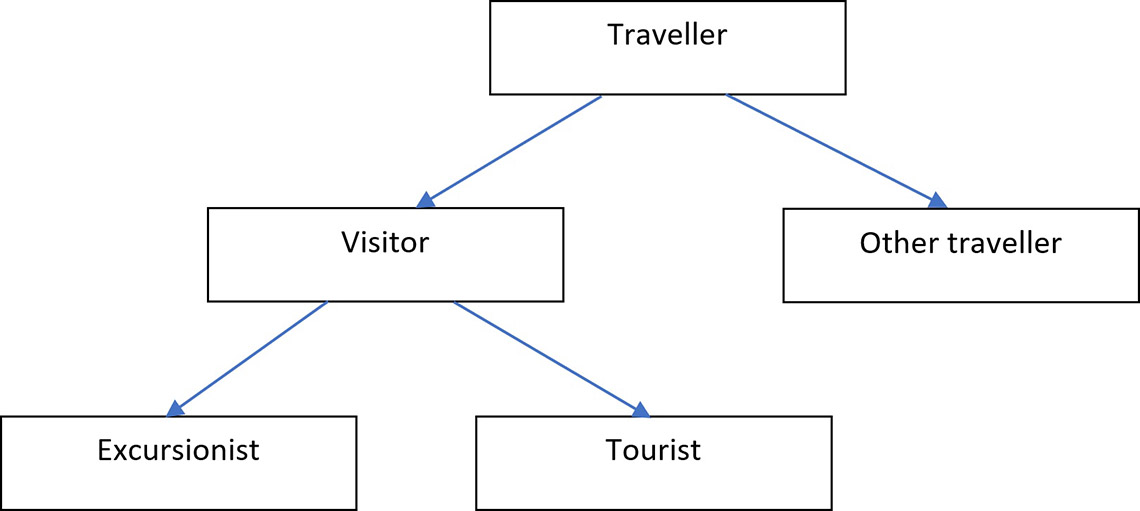
Understanding the difference between a tourist and an excursionist helps clarify travel habits. Both visit places for enjoyment, but their experiences differ. These differences affect how they plan trips and what they expect from their visit. Exploring these terms makes travel choices clearer for many people.
Basic Definitions
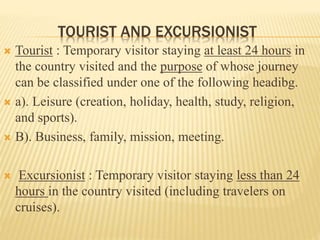
A tourist travels to a place away from home for leisure or business. They usually stay overnight in the destination. An excursionist visits a place but does not stay overnight. Their visit is short, often just for a day.
Purpose Of Visit
Tourists often explore many attractions and enjoy local culture. They take time to relax and learn about the area. Excursionists usually come for a specific event or activity. Their visit focuses on one or two main goals.
Duration Of Stay
Tourists stay at least one night in the destination. They might spend several days or weeks exploring. Excursionists return to their home or base the same day. Their trip is brief and planned around quick visits.
Travel Patterns
Travel patterns show how tourists and excursionists move and spend time. These patterns help us understand their behavior and preferences. Tourists usually stay longer and explore more places. Excursionists visit for a short time, often just a day. Their activities, transport, and lodging differ a lot.
Types Of Activities
Tourists enjoy many activities like sightseeing, dining, and shopping. They often visit museums, parks, and cultural sites. Excursionists focus on quick visits to one or two places. They might go to a festival or a famous landmark. Their activities are shorter and less varied.
Transportation Modes
Tourists use various transport types. Cars, buses, trains, and planes are common. They may rent cars or use public transport to explore. Excursionists often use fast transport like buses or boats. They prefer direct routes to their destination. Travel time is shorter for excursionists.
Accommodation Choices
Tourists book hotels, hostels, or vacation rentals. They stay overnight or for several days. Excursionists rarely stay overnight. They return home the same day. Accommodation is usually not part of their plan.
Economic Impact
The economic impact of tourists and excursionists differs significantly. Each group affects local economies in unique ways. Understanding these differences helps communities plan better for tourism growth.
Spending Behavior
Tourists usually stay longer and spend more money. They pay for hotels, food, and activities over several days. Excursionists visit for a short time, often only a few hours. Their spending is mainly on quick purchases like snacks or souvenirs. This shorter visit means less total spending per person.
Local Business Influence
Tourists support a wide range of local businesses. Hotels, restaurants, and tour operators benefit the most. Excursionists tend to support fewer businesses. They often visit places near the entry point, like shops or cafes. Both groups create jobs but in different sectors. Communities must balance services for both to grow their economy.
Legal And Statistical Differences
Legal and statistical differences separate tourists from excursionists. These differences affect how governments control entry and track visitors. Understanding them helps in travel planning and policy making.
Visa And Entry Requirements
Tourists usually need a visa to stay overnight or longer. They must follow rules for longer visits. Excursionists often enter without a visa because they stay less than 24 hours. They do not stay overnight. This affects border control and immigration checks. Countries set different rules for each group. Tourists face stricter checks due to longer stays. Excursionists have simpler entry due to short visits.
Data Collection And Reporting
Data about tourists and excursionists helps governments track travel trends. Tourists are counted in overnight stay reports. Excursionists appear in day-visitor statistics. This data guides tourism policies and funding. Governments use different forms and methods for each group. Tourists provide more detailed information due to longer stays. Excursionists’ data focus on entry and exit times. Accurate data helps improve services and infrastructure. It also supports economic analysis of tourism impact.
Examples And Case Studies
Understanding the difference between tourists and excursionists becomes clearer with real examples. These examples show how each group behaves and what they seek during travel. Case studies provide practical insights into their travel patterns and choices. This section highlights typical destinations and trips that define tourists and excursionists.
Popular Tourist Destinations
Tourists often visit famous cities like Paris, New York, or Tokyo. These places offer many attractions and activities. Tourists stay several days or weeks to explore museums, parks, and landmarks. They book hotels and enjoy local food. Tourists aim for a deep experience of the culture and history. For example, a family visiting Rome for ten days is a typical tourist case. They plan visits to the Colosseum, Vatican, and other sites. Tourists usually spend more money on accommodation and dining. Their trips focus on relaxation and learning about new places.
Common Excursionist Trips
Excursionists visit a location for a short time, often less than 24 hours. They may come from nearby areas or cruise ships. Common trips include day visits to beaches, theme parks, or markets. For example, people from a cruise ship visiting a port city for a few hours are excursionists. They walk around, shop, and eat but do not stay overnight. Excursionists look for quick and easy experiences. They tend to spend less on lodging but may buy souvenirs or snacks. A popular example is a group visiting a famous waterfall during a day tour.
Credit: pt.slideshare.net

Credit: www.youtube.com
Frequently Asked Questions
What Defines A Tourist Compared To An Excursionist?
A tourist stays overnight at the destination, often for leisure or business. An excursionist visits without overnight stay, usually for a day trip or short visit.
How Long Does A Tourist Typically Stay?
Tourists usually stay at least one night, ranging from days to weeks. Their visit involves accommodation and extended activities.
What Activities Do Excursionists Usually Engage In?
Excursionists participate in short-term activities like sightseeing, shopping, or attending events. They return home the same day without staying overnight.
Why Is The Distinction Between Tourist And Excursionist Important?
This distinction helps in tourism statistics, planning, and marketing. It affects economic impact assessments and resource allocation in destinations.
Conclusion
Tourists and excursionists both travel for enjoyment and new experiences. Tourists usually stay longer and explore many places. Excursionists visit briefly, often returning the same day. Knowing their differences helps in travel planning and business. Both types bring value to destinations in different ways.
Understanding these terms makes travel talk clearer. Next time you travel, think about which type you are. It can change how you plan and what you expect. Traveling is about fun and learning, no matter the length of stay.
