
Have you ever wondered what makes a place just a tourist attraction, while another becomes an icon? You might think they mean the same thing, but there’s a clear difference that affects how you experience them.
Understanding this difference can change the way you plan your trips and what you choose to see. Keep reading, and you’ll discover why some spots leave a lasting impression on your mind, while others are simply stops along the way.
This insight could make your next adventure much more meaningful.

Credit: www.youtube.com
Tourist Attraction Basics
Tourist attractions are places that draw visitors for enjoyment and learning. These spots offer unique experiences that people want to see or do. They can be natural, cultural, or man-made. Understanding what makes a tourist attraction helps explain why some places become famous.
Tourist attractions vary widely. Some are popular for their beauty, others for history or fun activities. Knowing the basics helps distinguish between regular attractions and true icons.
Types Of Attractions
There are many types of tourist attractions. Natural attractions include mountains, beaches, and parks. Cultural attractions cover museums, temples, and festivals. Man-made attractions involve theme parks, monuments, and shopping areas. Each type offers different experiences to visitors.
Factors Driving Popularity
Popularity depends on several factors. Accessibility plays a big role. Easy-to-reach places attract more visitors. Unique features or stories also draw crowds. Safety, facilities, and marketing influence tourist numbers too. Local culture and events can boost interest.

Credit: thenounproject.com
What Makes An Icon
What makes a place or object an icon? It goes beyond just being popular or beautiful. An icon carries a deeper meaning. It connects with people on many levels. Icons tell stories and represent ideas that matter to many. They become part of culture and history. Understanding what makes an icon helps us see why some places stand out more than others.
Symbolism And Identity
Icons represent more than their physical form. They symbolize values, beliefs, or traditions of a group or nation. They often reflect a community’s identity. People recognize icons as a source of pride or unity. The Statue of Liberty, for example, stands for freedom and hope. This meaning makes an icon memorable and special.
Global Recognition
Icons are known worldwide. People from different countries recognize and respect them. This global recognition gives icons lasting importance. They appear in movies, books, and art across cultures. The Eiffel Tower, for instance, is famous far beyond France. This wide awareness turns icons into universal symbols.
Comparing Attractions And Icons
Tourist attractions and icons both draw visitors, but they serve different roles. Attractions invite exploration and fun. Icons symbolize a place or culture deeply. Understanding these differences helps travelers and locals appreciate their value.
Both play important roles in tourism and identity. They shape how people see and feel about a location. Let’s explore how their purpose, appeal, longevity, and impact differ.
Purpose And Appeal
Tourist attractions aim to entertain or educate visitors. They often include theme parks, museums, or natural wonders. Their goal is to provide a fun or unique experience.
Icons represent something bigger than a visit. They symbolize history, culture, or identity. People recognize icons instantly, even in pictures or stories.
Attractions attract crowds with activities and sights. Icons attract respect and emotional connection. Both can inspire curiosity but in different ways.
Longevity And Impact
Tourist attractions may change or evolve over time. New exhibits or rides keep them fresh. Some attractions close or lose popularity after years.
Icons often last for centuries or longer. Their meaning grows stronger as time passes. Icons influence art, culture, and pride of a place.
Attractions impact tourism economy directly. Icons affect identity and global recognition. Both leave marks, but icons shape legacy.
Examples Around The World
Examples around the world show clear differences between tourist attractions and icons. Tourist attractions draw visitors for their fun, beauty, or activities. Icons represent a place’s identity and culture. Both are important but serve different purposes.
Knowing these examples helps understand how places build their image. Some spots become famous for enjoyment. Others become symbols that define a country or city.
Famous Tourist Spots
Tourist spots attract many visitors for unique experiences. The Great Barrier Reef offers stunning underwater views. Times Square in New York buzzes with lights and crowds. The Eiffel Tower Gardens provide a peaceful escape for families. These places focus on fun and activities.
Tourist spots often change with trends and seasons. They offer entertainment, shopping, or nature. Visitors choose them to relax or explore new things. These places may not always hold deep cultural meaning.
Iconic Landmarks
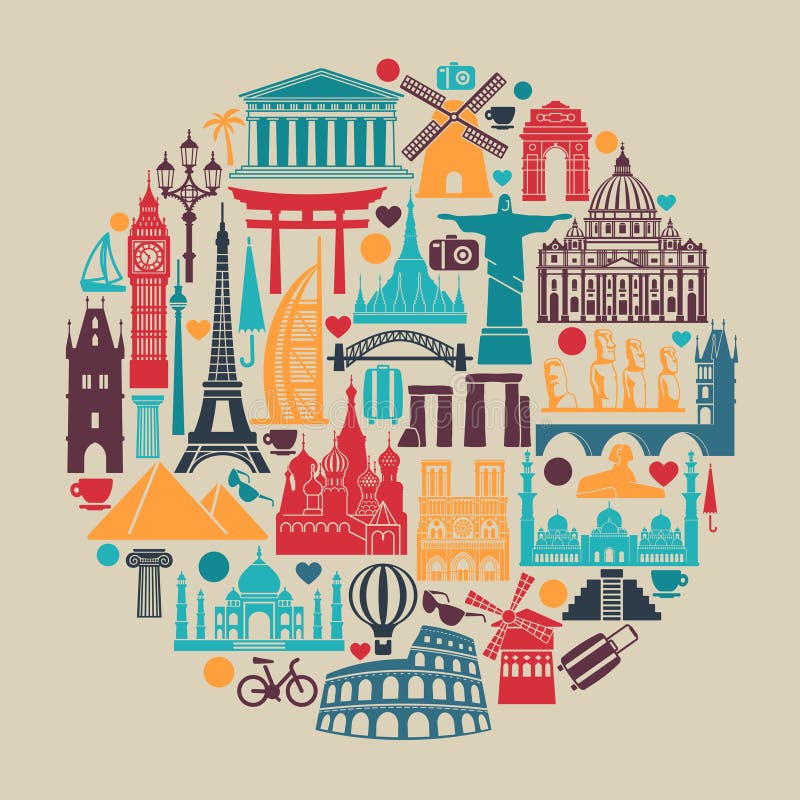
Icons stand as proud symbols of their locations. The Statue of Liberty represents freedom in the USA. The Taj Mahal shows India’s rich history and love story. Sydney Opera House highlights Australia’s modern architecture. Icons connect people to a place’s soul.
Icons rarely change and carry strong meaning. They appear in postcards, movies, and logos. People recognize them instantly around the world. Icons inspire pride and a sense of belonging.
Cultural And Economic Effects
Cultural and economic effects shape how tourist attractions and icons impact communities. Both bring visitors but influence places in different ways. These effects affect local businesses, traditions, and the identity of a place.
Tourism Economy
Tourist attractions draw many visitors. They boost local shops, hotels, and restaurants. More tourists mean more money for the area. Jobs increase in service and retail sectors. Icons, being symbolic, often attract tourists too. Their fame helps sell products and souvenirs. Both support the local economy but in unique ways.
Cultural Significance
Icons hold deep cultural meaning. They represent history, beliefs, or achievements. People feel pride in these symbols. Tourist attractions may show culture through museums or festivals. They help people learn about local life and traditions. Icons often inspire art and stories. Attractions keep culture alive by inviting participation. Both strengthen community identity and heritage.
Credit: www.dreamstime.com
Challenges In Classification
Classifying a place as a tourist attraction or an icon can be tricky. The line between these two is not always clear. Many sites hold qualities of both. This overlap creates challenges for travelers and marketers alike. Understanding these challenges helps in better appreciating the importance of each site.
Blurred Lines
Tourist attractions and icons often share similar features. Both attract visitors and have cultural or historical value. Some attractions gain iconic status over time. Others remain popular tourist spots without becoming true symbols. This mixture makes it hard to place them in one category. People may view the same place differently, adding to confusion.
Changing Perceptions
Public opinion about places can change over the years. A site once seen as just a tourist spot might become an icon. Famous movies or events can boost a place’s status. New generations see value in different ways. These shifts affect how sites are classified. The evolving nature of perception keeps the debate open.
Frequently Asked Questions
What Defines A Tourist Attraction?
A tourist attraction is a place people visit for leisure, culture, or entertainment. It draws visitors due to its appeal, activities, or significance.
How Is An Icon Different From A Tourist Attraction?
An icon symbolizes cultural or historical importance beyond tourism. It represents identity, values, or heritage, often recognized globally.
Can A Tourist Attraction Be An Icon?
Yes, some tourist attractions become icons over time. Their cultural or historical significance elevates them beyond just a visit spot.
Why Do Icons Hold More Cultural Value Than Attractions?
Icons embody identity and heritage, inspiring pride and recognition. Attractions mainly offer experiences, while icons represent deeper meaning.
Conclusion
Tourist attractions and icons both draw visitors, but they differ. Attractions are places people visit for fun or interest. Icons represent a city or country’s identity and culture. Icons often become symbols known worldwide. Attractions can be famous or local spots.
Understanding this difference helps in planning trips or learning about places. Both add value to travel and culture. Remember, an icon lasts longer in memory than a simple visit. Both play important roles in tourism and history.
