
Wrangell–st. Elias: Alaska’s Wild Playground
Deep in southeast Alaska, you’ll find a land where mountains scrape the sky, glaciers carve through ancient valleys, and wild animals roam free. This is Wrangell–St. Elias National Park and Preserve—the largest national park in the United States. Covering over 13 million acres, it’s a place for real adventure and unforgettable sights. If you love the outdoors, this park promises a trip you won’t forget.
Why Wrangell–st. Elias Is Special
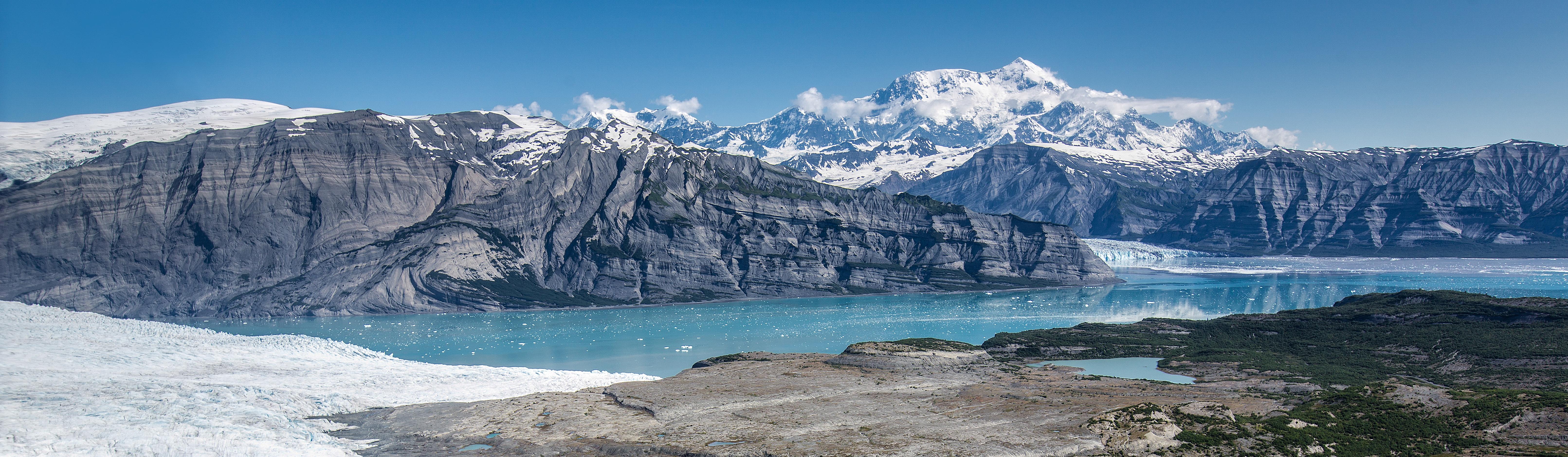
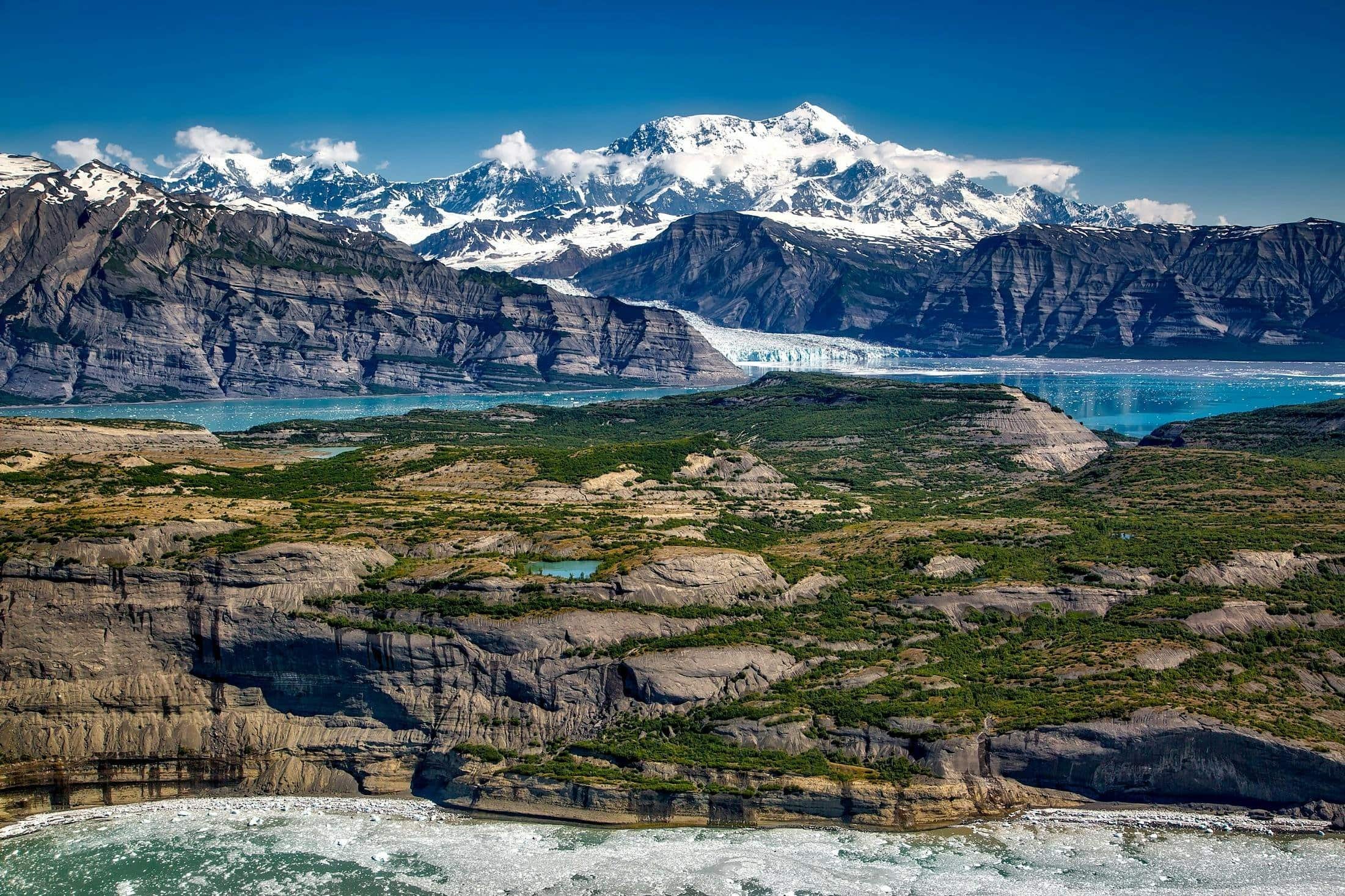
The size of Wrangell–St. Elias is hard to imagine. It’s bigger than Switzerland and Yellowstone combined. Inside its borders are nine of the 16 highest peaks in the US, including Mount St. Elias (18,008 feet). But it’s not just about size. The park is also a UNESCO World Heritage Site, thanks to its untouched wilderness and rich history.
Many visitors don’t realize that Wrangell–St. Elias is both a national park and a preserve. This allows for different activities in different areas—like sport hunting in the preserve section. But for most tourists, the excitement comes from exploring the wild landscapes, historic sites, and outdoor adventures.
Top Things To Do In Wrangell–st. Elias
With so much space, it can be hard to know where to start. Here are the most popular and unique activities for visitors.
1. Visit Kennecott Mines National Historic Landmark
The old Kennecott copper mining town is one of Alaska’s best-preserved ghost towns. Walk among red buildings from the early 1900s and learn how miners once lived in this remote area. Guided tours take you inside the huge mill building—an experience you won’t find anywhere else in Alaska.
2. Explore Glaciers
Glaciers are everywhere in Wrangell–St. Elias. The Root Glacier is a favorite for hiking and ice climbing. You can join a guided glacier trek, complete with crampons and safety gear. For something less challenging, the Nabesna Glacier is visible from the road and offers great photo spots.
3. Scenic Drives
There are two main roads into the park: the McCarthy Road and the Nabesna Road. These gravel roads offer views of mountains, rivers, and wildlife. The McCarthy Road leads to the Kennecott area, while Nabesna Road takes you deep into the northern part of the park. Both drives are adventures themselves—especially in summer.
| Road Name | Length | Main Attractions |
|---|---|---|
| McCarthy Road | 59 miles | Kennecott, Root Glacier |
| Nabesna Road | 42 miles | Mount Sanford, Caribou Creek Trail |
4. Hiking And Backpacking
There are hikes for every skill level, from short trails to multi-day wilderness treks. The Root Glacier Trail is about 4 miles round-trip and perfect for beginners. For more challenge, try the Bonanza Mine Trail—a steep 9-mile hike with incredible views and mining history at the top.
5. Flightseeing Tours
Because the park is so vast, many visitors choose a flightseeing tour. Small planes or helicopters take you over glaciers, mountain peaks, and remote valleys. You might even land on a glacier! This is one of the best ways to see the park’s true scale.
6. Rafting And Kayaking
The park’s rivers are wild and beautiful. Guided rafting trips on the Kennicott or Nizina rivers give you a close look at the landscapes—and maybe a glimpse of bears or eagles. Some trips are gentle floats, while others offer exciting rapids.
7. Wildlife Watching
Wrangell–St. Elias is home to moose, bears, Dall sheep, caribou, and hundreds of bird species. Early morning or evening are the best times to spot animals. Bring binoculars and keep a safe distance—these are truly wild creatures.
8. Camping
There are a few drive-in campgrounds, but most camping is remote and wild. Backcountry camping lets you experience the quiet beauty of Alaska’s wilderness. Always follow bear safety rules and carry proper gear.
9. Winter Activities
In winter, the park transforms. You can try cross-country skiing, snowshoeing, or even dog mushing. The northern lights sometimes dance overhead, creating magical nights.

Credit: www.travelalaska.com
Unique Insights For First-time Visitors
Many travelers miss these details:
- Weather changes fast: Always bring layers and rain gear, even in summer. Temperatures can drop suddenly.
- Cell service is limited: Once you leave the main roads, don’t expect reliable phone coverage. Carry a paper map and let someone know your plans.
- River crossings can be dangerous: Some hiking trails cross streams that become deep or fast after rain or snowmelt. Ask rangers about current conditions.
Comparison: Wrangell–st. Elias Vs. Other Alaska Parks
Wondering what makes this park different from others in Alaska? Here’s a quick comparison.
| Park Name | Size (Acres) | Main Features |
|---|---|---|
| Wrangell–St. Elias | 13.2 million | Mountains, glaciers, mining history |
| Denali | 6 million | Denali peak, wildlife, tundra |
| Glacier Bay | 3.2 million | Glaciers, marine wildlife |
Credit: www.nps.gov
Visitor Tips For A Great Experience
- Plan ahead: The park is remote, and services are limited. Check the National Park Service website for road and trail conditions.
- Bring cash: Some businesses in the area do not accept credit cards.
- Leave no trace: Pack out all trash and respect wildlife habitats.
- Try local food: The small towns of McCarthy and Kennecott have unique places to eat. Don’t miss the homemade pies!
Where To Stay
Lodging options are limited but memorable. You’ll find:
- Rustic lodges and cabins in McCarthy and Kennecott
- Small bed and breakfasts
- Campgrounds near the Nabesna and McCarthy Roads
- Backcountry camping for experienced adventurers
Most places fill up early in summer, so book ahead if you can.
Credit: www.indigoalpineguides.com
Frequently Asked Questions
How Do I Get To Wrangell–st. Elias?
Most visitors reach the park by car from Anchorage or Fairbanks. The two main entrances are via the McCarthy Road (to Kennecott) and Nabesna Road (to the north). Small planes also fly into McCarthy from nearby towns.
What Is The Best Time To Visit?
Late June through August offers the best weather and full access to park roads and tours. May and September have fewer crowds but cooler, wetter weather.
Do I Need A Permit To Visit Or Camp?
You do not need a permit for day visits or camping in most areas. However, some activities—like backcountry camping and guided tours—may require registration or fees. Check with park rangers before your trip.
Can I See The Northern Lights In Wrangell–st. Elias?
Yes, the northern lights are visible during winter months, especially on clear nights. However, access can be difficult due to snow and cold.
Where Can I Find More Information?
For the most up-to-date details on visiting, check the National Park Service Wrangell–St. Elias page.
Whether you come for the wild landscapes, the mining history, or just the peace of Alaska’s backcountry, Wrangell–St. Elias offers a true escape into nature. With a little planning, you’ll discover why so many call it America’s wildest national park.
